
 中文简体
中文简体
 English
postmaster@goobagelfood.com
Content
- 1 Trend One: Protein and Whole Grain Momentum
- 2 Trend Two: Texture and Format Innovation
- 3 Trend Three: Clean Label and Private Label Collaboration
- 4 Data Comparison: Frozen Bagel Formats at a Glance
- 5 Hidden Metrics: What Buyers Should Measure
- 6 Channel Distribution: Where the Demand Sits
- 7 Sourcing and Selection Guide
- 8 Maintenance and Compliance Considerations
The 2026 bakery trend is not one winning bagel SKU. It is a supplier model that combines product innovation, clean-label manufacturing, and consistent frozen delivery across channels.
Suppose a coffee-chain product manager is reviewing next quarter's bagel lineup. The team wants a high-protein option for morning commuters, a whole-grain version for nutrition-minded customers, and a clean-label base that can be toasted or thawed in-store. Across all three requests, the supplier's ability to control texture, fermentation, and frozen storage becomes the decisive factor.
Trend One: Protein and Whole Grain Momentum
Protein-fortified baked goods have moved from niche to expected. In bagel programs, this trend shows up in two ways: flour blends that add wheat protein or oat fiber, and seed-rich formulas that deliver a nutritional label shoppers can justify. Whole grain and seeded bagels now represent a core growth zone, especially when consumers see oats, flaxseed, or dark whole wheat on the ingredient list.
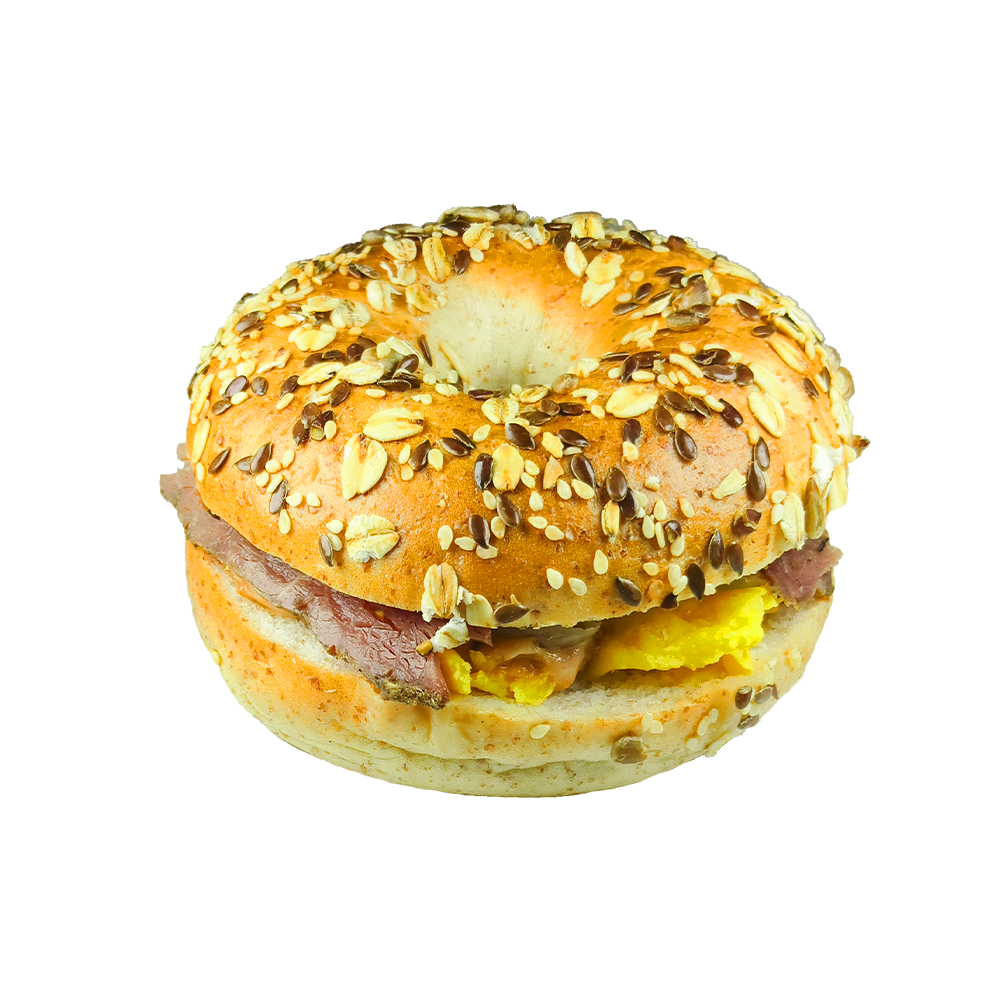
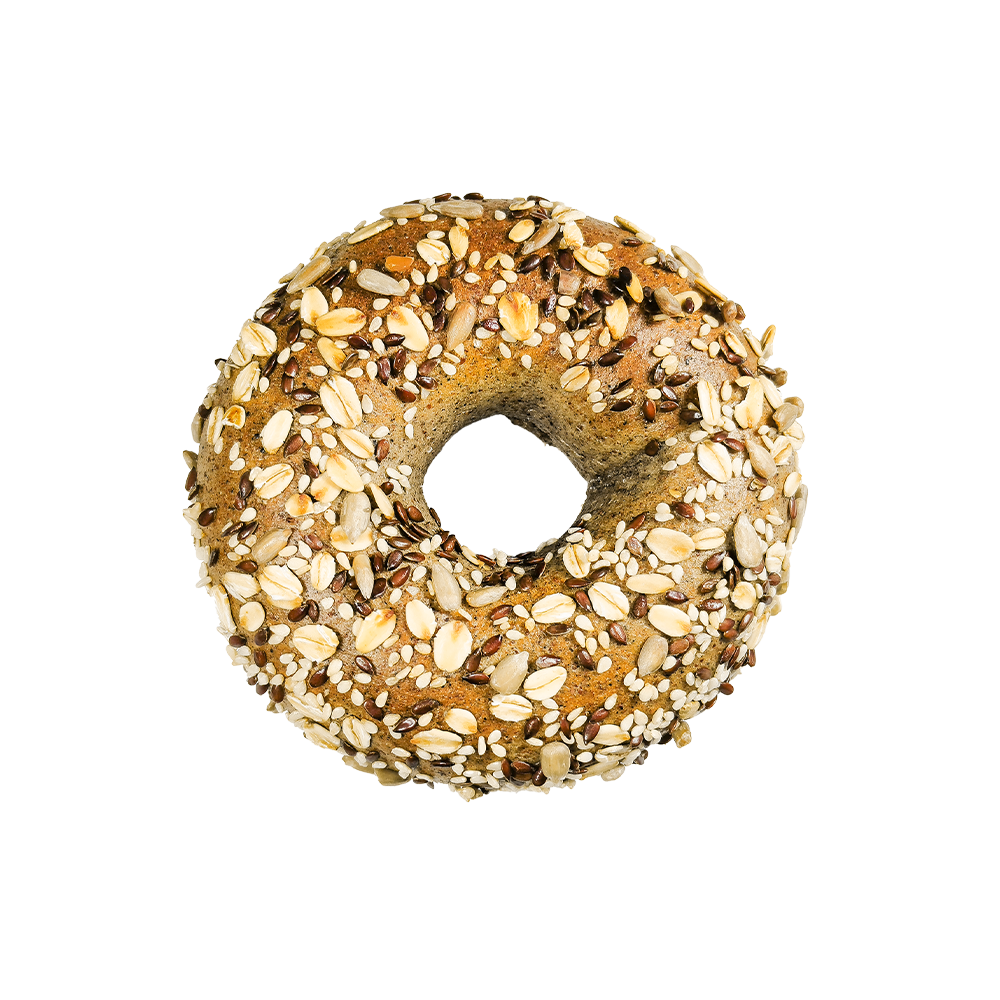 High-Protein Dark Whole Wheat Multigrain Bagel with Oats and SeedsThis bagel combines dark whole wheat flour, oats, flaxseed, and sesame for a hearty, nutritious option. Its robust texture holds up in freezing and reheating, making it a reliable choice for protein-focused bakery lines.View Product →
Buyers should not treat protein as a marketing claim. The practical question is how the texture holds after freezing and reheating. A high-protein bagel that turns dense or crumbly after thawing will hurt repeat sales. Look for formulas that keep the crumb structure open while still delivering meaningful fiber or protein per serving.
Trend Two: Texture and Format Innovation
Texture mashups are shaping 2026 bakery menus. For bagels, this means combining a crackly crisp crust with a chewy interior, or adding a buttery laminated finish without losing the classic boil-and-bake character. The New York style kettle-boiled approach remains the reference point for chew, but the application of that texture depends entirely on the format.
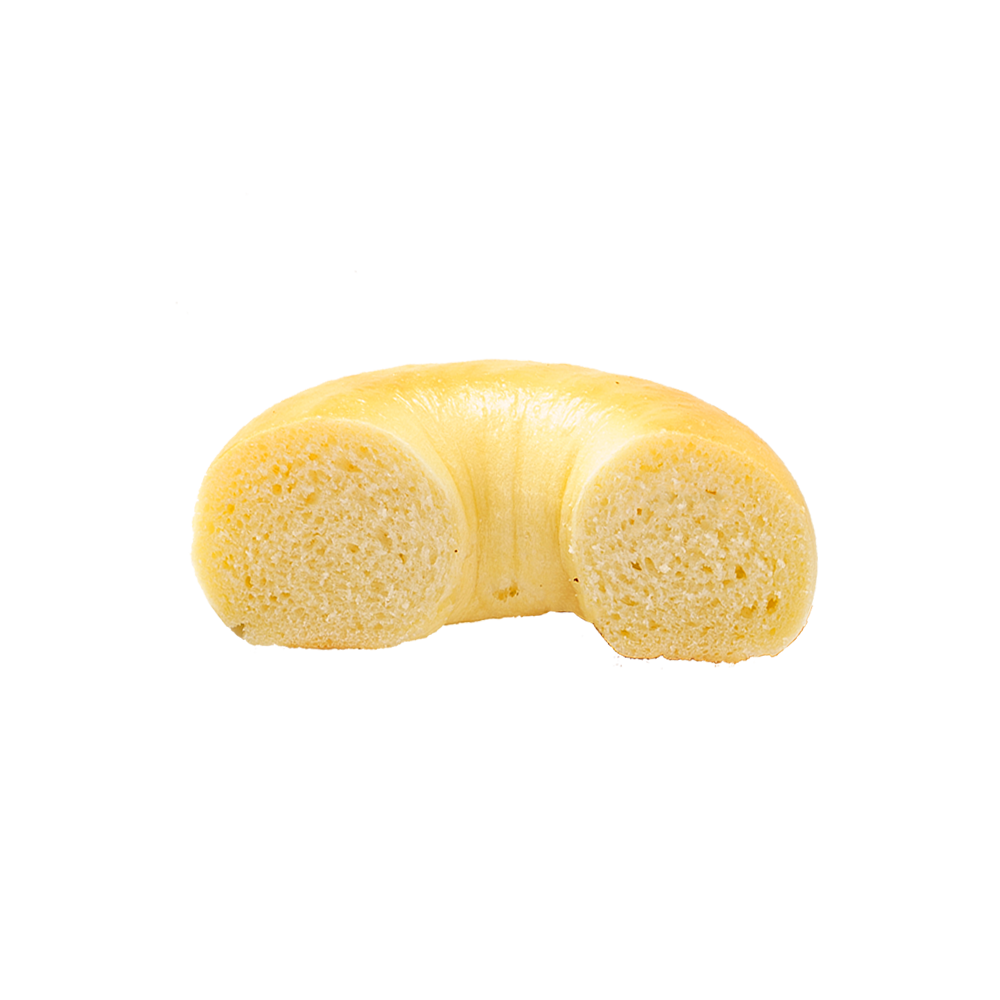 Glossy Brittle Crust Plain Bagel with Chewy InteriorA classic plain bagel featuring a crisp, glossy crust and a dense yet tender crumb. Its clean wheat flavor and sturdy structure suit versatile applications, from simple butter to complex sandwiches.View Product →
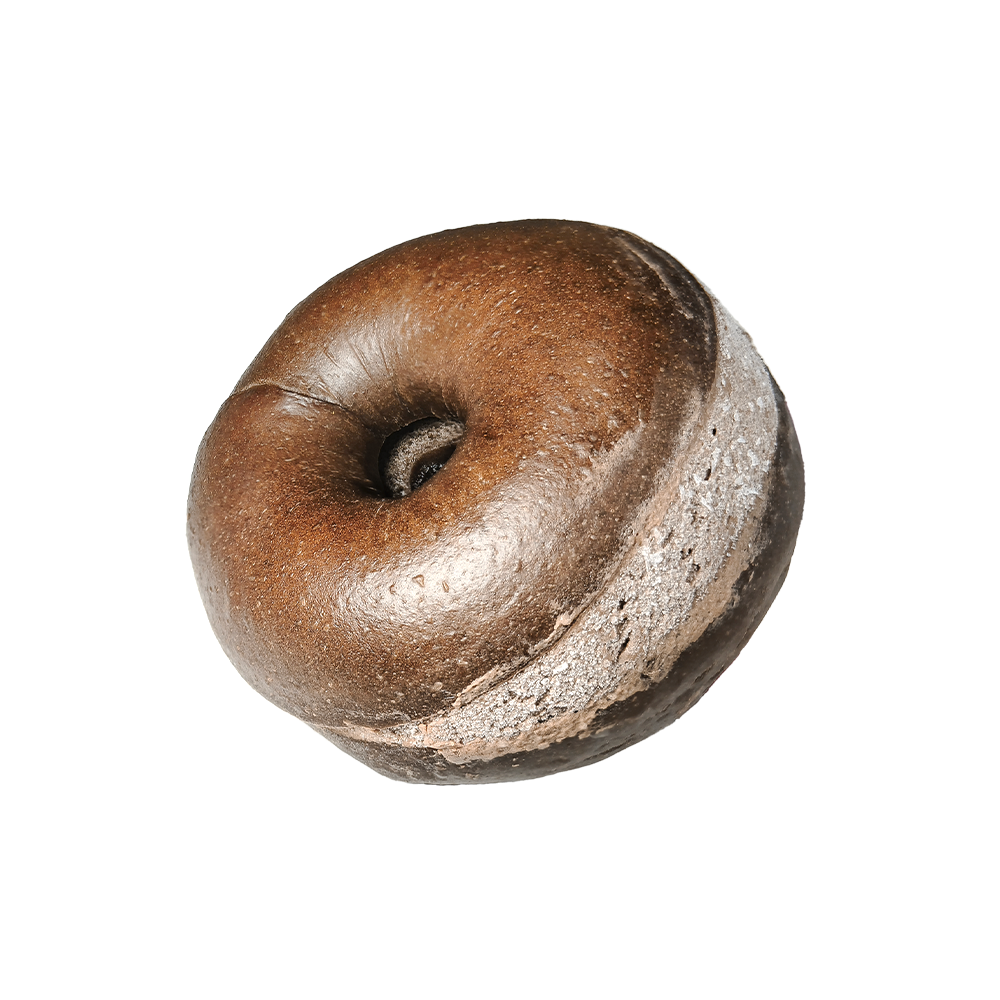
A plain bagel with a glossy, brittle crust can perform as a base for sweet and savory builds. A pretzel-style bagel adds a dark, salted surface that works in coffee chains or bakery display cases. The key is that the texture survives the cold chain. Buyers should verify how a bagel behaves after parbaking, freezing, and finishing in a store oven.
For operators who lack full baking equipment, thaw-and-serve or raw-dough formats offer a different flexibility. The texture you can achieve at the point of sale will determine which format fits your kitchen setup.
Trend Three: Clean Label and Private Label Collaboration
Clean label is no longer a premium promise; it is a procurement requirement for many foodservice and retail buyers. In bagel sourcing, clean label means avoiding preservatives and artificial dough conditioners while still achieving a shelf-stable frozen product. That requires deliberate formulation and process control, not just an ingredient swap.
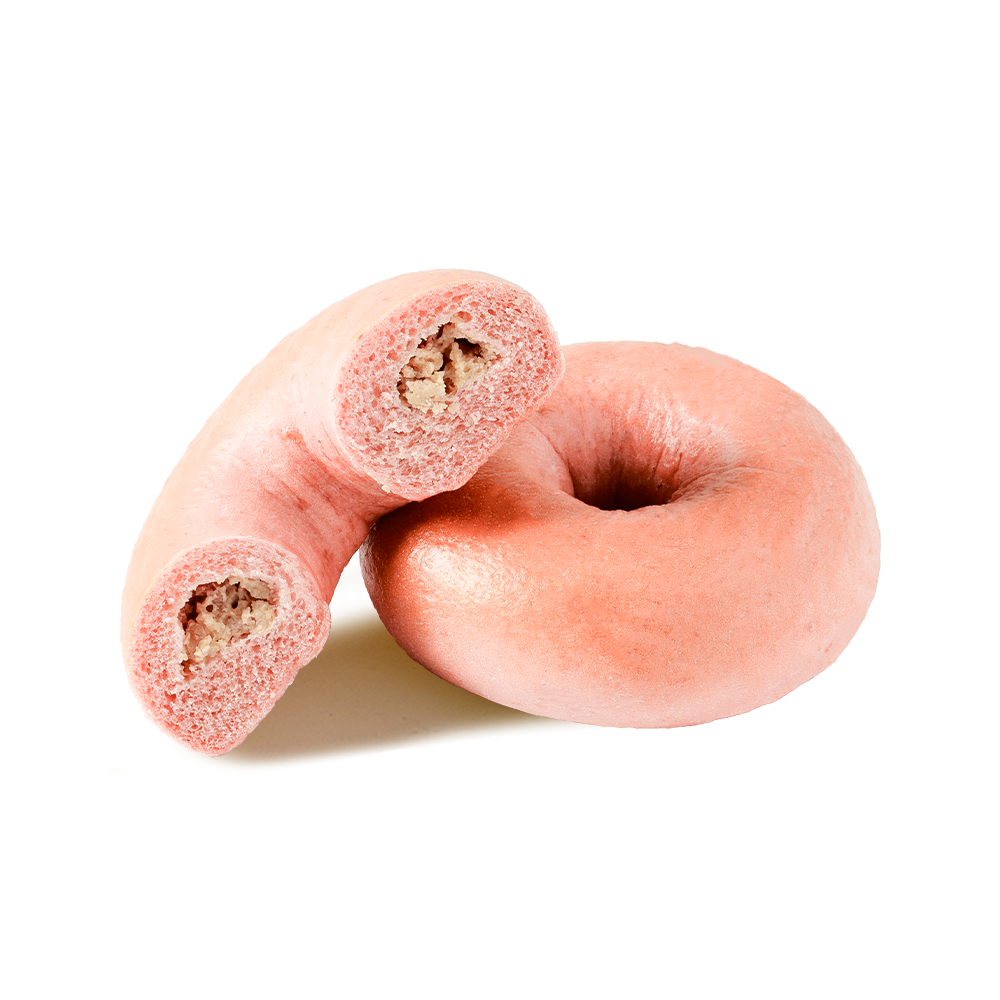
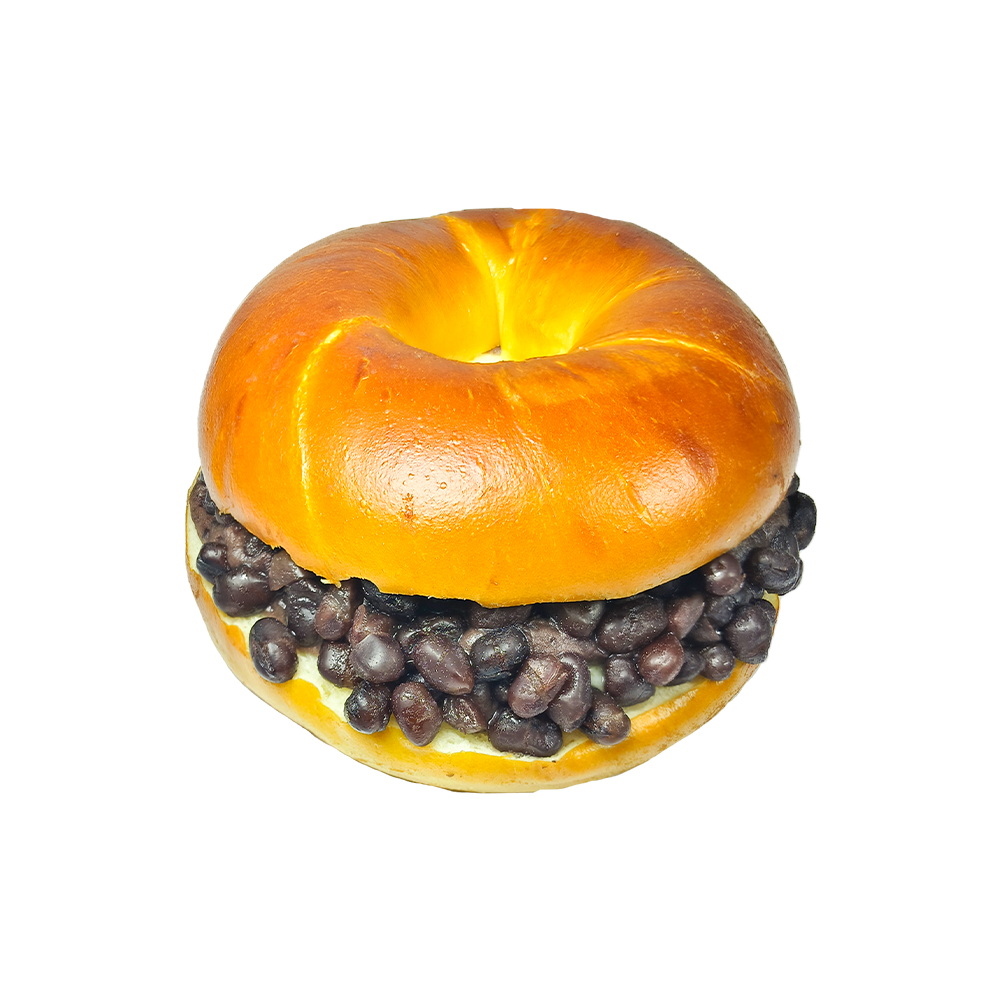
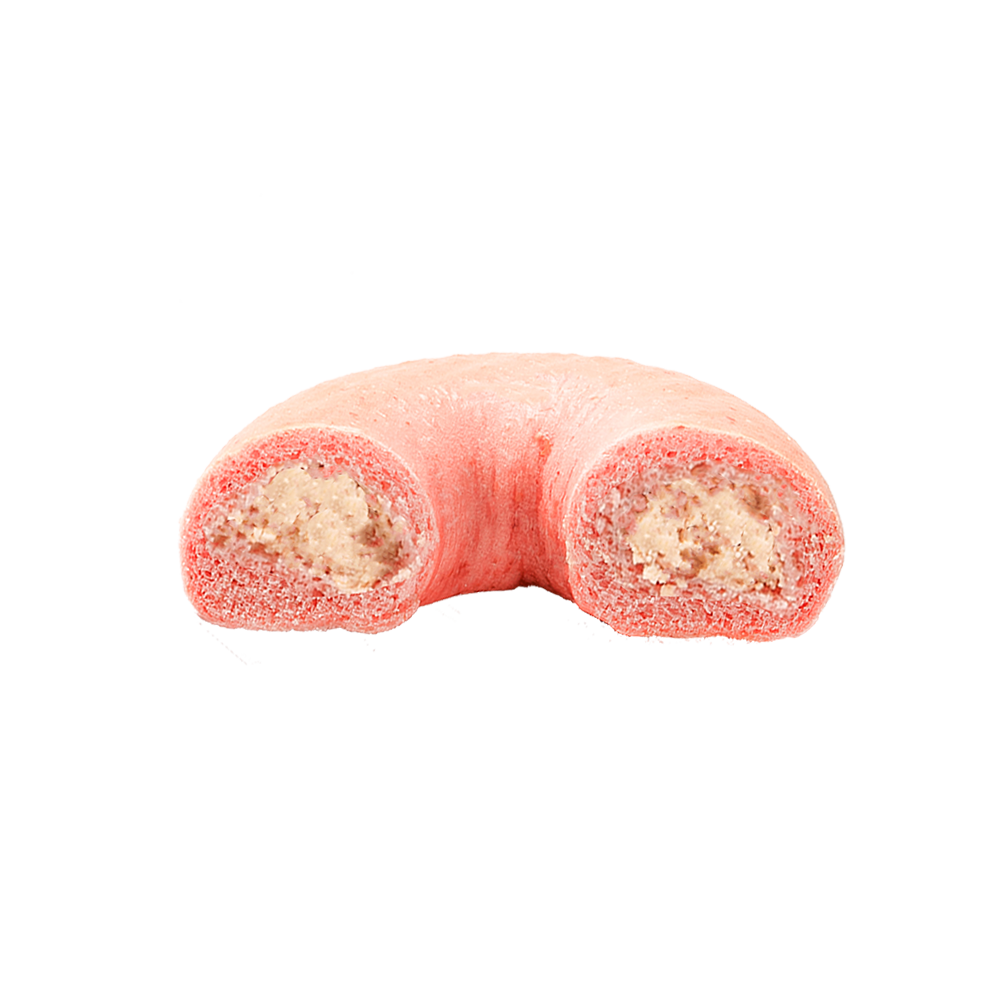 Cream Cheese and Rose Flavored Bagel with New Zealand DairyThis bagel blends creamy New Zealand cream cheese with delicate Yunnan rose petals, offering a refined floral dairy taste. It adds a premium, distinctive option for bakery counters targeting sophisticated palates.View Product →
When a brand wants its own bagel line, the supplier's role expands beyond baking. Private label development programs allow a retailer or chain to specify flavor, size, and nutritional targets while the manufacturer handles the formulation work. The best collaborations start early: agree on the frozen format, the labeling expectations, and the delivery schedule before the first trial bake.
A supplier that has already built clean-label bagel formulations without preservatives can move faster through compliance reviews and shorten the time from concept to shelf.
Data Comparison: Frozen Bagel Formats at a Glance
Choosing between parbaked, raw dough, and thaw-serve requires a practical comparison. Each format changes labor cost, equipment requirements, and final texture. The table below simplifies the trade-offs for buying teams.
Format
Best Fit
Equipment Needed
Texture Control
Parbaked
Coffee chains, retail bakeries
Small to medium oven
High, with controlled finish
Raw dough
Bakery kitchens with proofing capacity
Proofing cabinet and deck oven
Highest, when staff follow the process
Thaw-serve
C-stores, grab-and-go, office pantries
None, just refrigerated storage
Fixed by the manufacturer
For operators aiming to scale without investing in full bake-off capability, parbaked frozen bagel formats for foodservice offer a reliable balance. They allow a store to deliver a fresh-baked texture with minimal equipment, which is why they are common in coffee and tea chains.
Hidden Metrics: What Buyers Should Measure
Beyond flavor preference, procurement teams should track a few underlying indicators that forecast whether a bagel program will perform. These metrics are not always visible in a trend report, but they decide how quickly a SKU becomes a repeat purchase.
The heights above reflect relative purchase interest reported by bakery buyers across 2026 planning rounds. Whole grain and protein claims lead, but clean label and texture consistently appear in the top four. A supplier that ignores these hidden metrics risks launching a bagel that looks right on paper yet fails in the cart.
Channel Distribution: Where the Demand Sits
Bagels are not one channel. The demand sits across retail shelves, coffee and tea chains, foodservice operators, and specialist bakeries. Understanding this distribution helps a buyer decide which formats and flavors to prioritize.
- Retail shelves – 40% of bagel volume, driven by breakfast repurchase and family packs.
- Coffee and tea chains – 25%, where toasted bagels and sandwich builds dominate.
- Foodservice and contract catering – 20%, often using raw dough or parbaked formats.
- Bakery counters and specialty stores – 15%, with the widest flavor variety.
For a manufacturer, this split means no single format fits every channel. The supplier who can offer parbaked, raw dough, and thaw-serve from the same product line gives the buyer room to arm each channel with the right solution.
Sourcing and Selection Guide
When you are ready to launch or refresh a bagel line, follow these steps to reduce risk and speed up the process.
1. Define channel requirements.
Decide whether you need a grab-and-go thaw-serve item or a bake-off parbaked product. This locks in the format before flavor work begins.
Decide whether you need a grab-and-go thaw-serve item or a bake-off parbaked product. This locks in the format before flavor work begins.
2. Set nutritional and label targets.
Choose protein levels, whole grain content, and preservative limits. Clean label targets should be agreed with your supplier early.
Choose protein levels, whole grain content, and preservative limits. Clean label targets should be agreed with your supplier early.
3. Validate texture after frozen storage.
Ask for trial samples across freeze-thaw cycles. The texture you sample in the bakery must hold after logistics.
Ask for trial samples across freeze-thaw cycles. The texture you sample in the bakery must hold after logistics.
4. Plan private label or branded runs.
If you need a custom SKU, confirm whether the supplier supports flavor development and private label production.
If you need a custom SKU, confirm whether the supplier supports flavor development and private label production.
The last step in the guide may be the most overlooked. Many bagel programs fail because the supplier treats the first sample as the final product. A reputable partner will re-test through cold-chain conditions and work with you on the formulation until the repeat purchase behavior is proven.
Maintenance and Compliance Considerations
Once you have selected a bagel line, the work shifts to ongoing quality and compliance management. Frozen bakery products carry specific risks that a procurement team must monitor at every delivery.
- Verify that cold-chain temperature logs are consistently available for every shipment.
- Confirm that the supplier's food safety system is backed by a documented HACCP plan and periodic audits.
- Review allergen declarations on every batch, especially for sesame, wheat, and dairy cases.
- Set a shelf-life validation schedule with the supplier to avoid gradual quality drift in inventory.
- Establish a clear corrective action process for textural or appearance defects that appear only after thawing.
Finally, keep an open dialogue with the production team about raw material consistency. Flour moisture content, yeast activity, and ambient humidity all affect how a bagel performs. The supplier's control over these variables is the invisible part of the specification that usually separates a dependable program from a risky one.
