Why Whole Grain Inclusion Ratio Directly Impacts Bagel Dough Handling
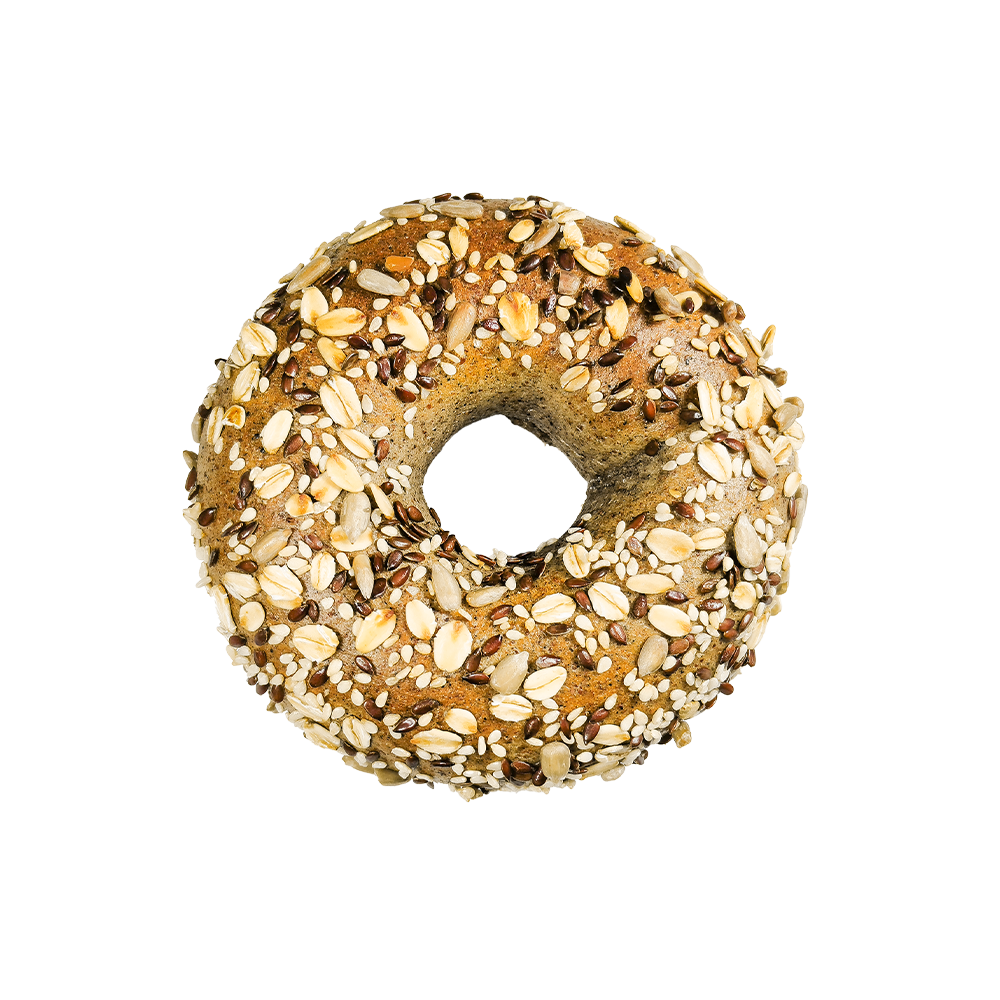
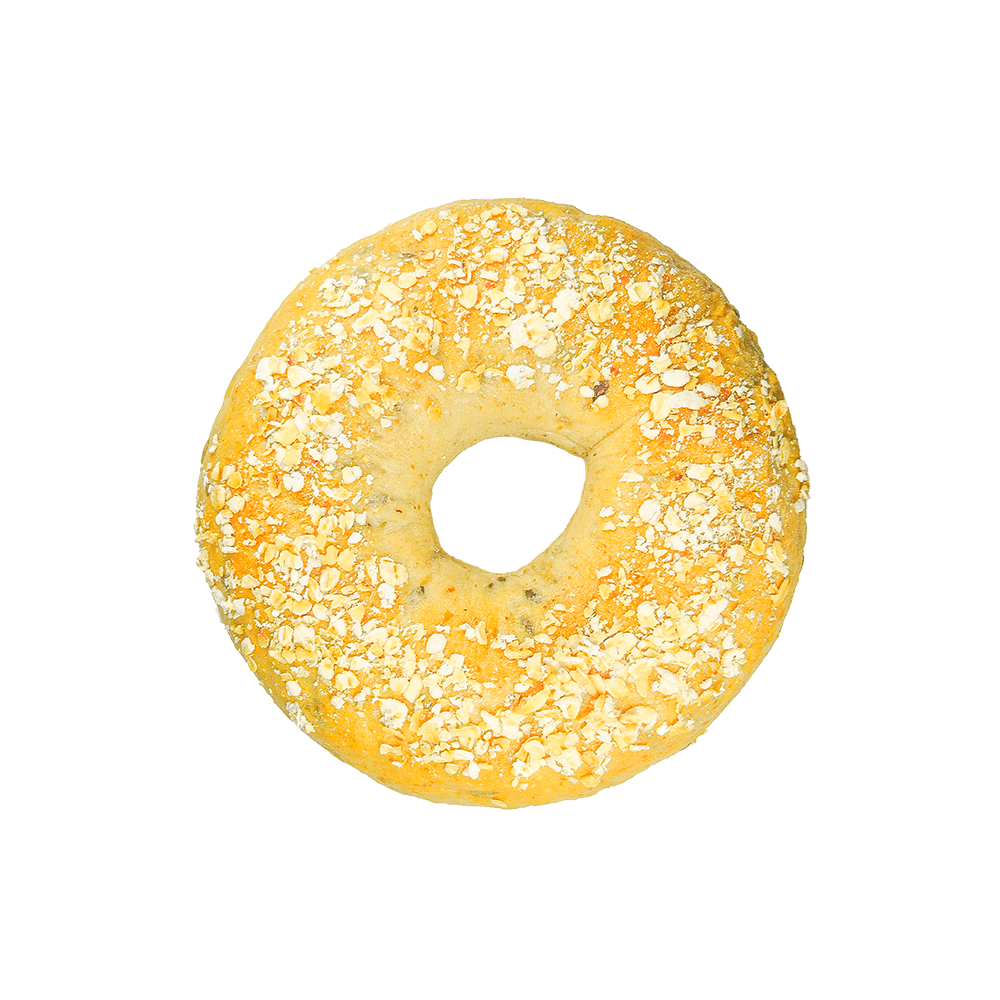
Incorporating whole grain flours into a Multi-Grain Bagel formula is not simply a matter of substituting a percentage of refined wheat flour — it fundamentally changes the rheological behavior of the dough and demands compensatory adjustments throughout the production process. Whole grain flours contain the bran and germ fractions, which are rich in fiber, oils, and phytic acid. The bran particles, in particular, act as physical disruptors of gluten network formation: their sharp edges cut developing gluten strands during mixing, reducing dough extensibility and increasing the risk of tearing during shaping. This effect becomes significant at whole grain substitution levels above 30%, which is where most commercially positioned high fiber bagels begin to encounter processing challenges. At Jiangsu Goobagel Food Technology Co., Ltd., whole grain formula development accounts for this by extending the autolyse phase — a pre-mix rest period that allows bran particles to hydrate and soften before gluten development begins — and by adjusting water absorption upward by 3–5 percentage points relative to refined flour baselines. The result is a dough that retains sufficient strength for machine shaping while delivering the dense, hearty crumb structure consumers expect from a genuine whole grain product.
The Glycemic Index of Bagels: What Drives It and How Formulation Can Lower It
Glycemic index (GI) is determined by the rate at which digestible carbohydrates are broken down and absorbed as glucose in the bloodstream, and in bagels this rate is influenced by multiple interconnected variables. A conventional white flour bagel typically carries a GI in the 69–72 range — high enough to cause a rapid postprandial glucose spike. The primary levers available to formulators seeking a genuinely low GI product are: starch structure modification, fiber content increase, protein content increase, and the introduction of organic acids through fermentation. Whole grain flours contribute both intact starch granules and soluble fiber (notably beta-glucan in oats), both of which slow amylase activity in the gut. Incorporating rye flour, which is high in arabinoxylan fiber and naturally acidic, can reduce GI by an additional 8–12 points compared to wheat-only whole grain formulas. Long-fermentation protocols — cold proofing for 12–18 hours — generate lactic and acetic acids that lower the dough pH and further inhibit starch gelatinization, contributing to a measurably lower GI in the finished product. Goobagel Food's R&D team applies these mechanisms in combination when developing low GI Multi-Grain Bagel SKUs, rather than relying on any single ingredient substitution to carry the full nutritional positioning.
Grain-by-Grain: Functional Contributions in a Multi-Grain Blend
Each grain component in a well-designed multi-grain formula brings a distinct nutritional and functional profile that shapes both the eating experience and the product's health positioning. The table below outlines the primary contributions of grains commonly used in commercial Multi-Grain Bagel production:
| Grain |
Key Fiber Type |
GI Impact |
Processing Consideration |
| Whole Wheat |
Insoluble cellulose, hemicellulose |
Moderate reduction vs. white flour |
Bran cuts gluten; extended autolyse needed |
| Oat |
Soluble beta-glucan |
Significant reduction; viscous gel slows digestion |
High water absorption; softens crumb |
| Rye |
Arabinoxylan, soluble fiber |
Strong reduction; high fermentable fiber content |
Low gluten; must be blended at <40% to maintain structure |
| Spelt |
Insoluble fiber, higher protein vs. wheat |
Moderate reduction |
Fragile gluten; avoid overmixing |
| Buckwheat |
Resistant starch, insoluble fiber |
Notable reduction; gluten-free grain |
Earthy flavor; limit to 15–20% to avoid bitterness |
| Barley |
Beta-glucan, arabinoxylan |
One of the strongest GI reducers among grains |
Dense texture; combine with higher-gluten flour |
High Fiber Claims: Regulatory Thresholds and Formula Verification
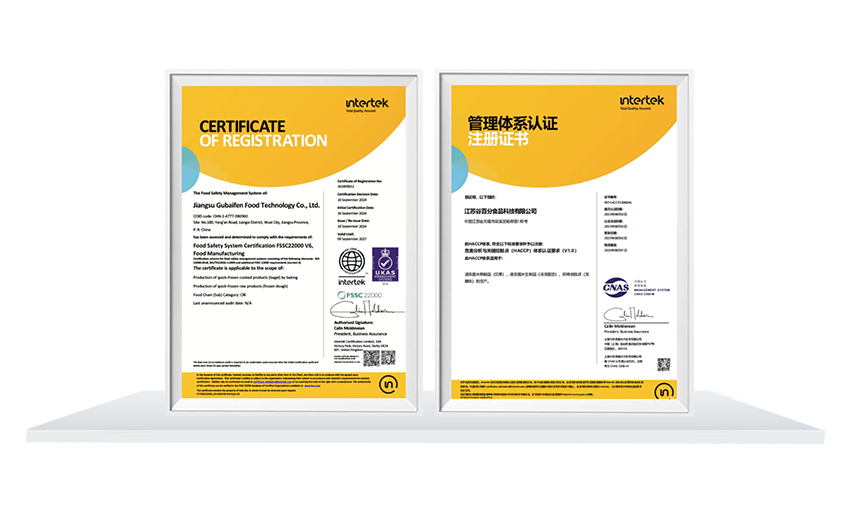
Making a high fiber claim on a Multi-Grain Bagel product is not a marketing decision — it is a regulatory commitment that requires verified nutritional analysis and formula compliance against market-specific thresholds. In China, the GB 28050 standard defines a "high fiber" (高膳食纤维) claim as requiring at least 6g of dietary fiber per 100g of product (or 3g per 100kcal). In the EU, the equivalent threshold under EC Regulation 1924/2006 is also 6g per 100g. The US FDA sets its threshold at 20% or more of the Daily Value (4.8g per serving based on a 2,000 kcal diet). These thresholds sound straightforward, but achieving them in a baked product involves accounting for fiber loss during processing: heat, mechanical shearing during mixing, and the boiling step in bagel production can degrade soluble fiber fractions — particularly beta-glucan — by up to 15–20% relative to the raw ingredient content. As a Classic Bagel Manufacturer, Jiangsu Goobagel Food Technology Co., Ltd. conducts finished-product dietary fiber analysis (using AOAC 991.43 or equivalent methods) rather than relying on ingredient-based calculations alone, ensuring that the declared fiber content on client packaging reflects actual post-production values rather than theoretical input figures.
How Fitness-Friendly Positioning Shapes Multi-Grain Bagel Formulation Choices
Fitness-friendly as a product positioning is more operationally specific than it might appear — it implies a nutritional profile optimized for active consumers managing energy intake, macronutrient ratios, and satiety, not simply a product that contains whole grains. In practice, this means a Multi-Grain Bagel targeting fitness consumers must simultaneously deliver adequate complex carbohydrates for sustained energy, a meaningful protein contribution for muscle recovery support, and sufficient high fiber content to promote satiety and digestive regularity — all within a portion size and caloric density appropriate for pre- or post-workout consumption. At Goobagel Food, this positioning has driven formula decisions including the incorporation of vital wheat gluten to boost protein content without increasing portion weight, the use of oat and barley flours specifically for their beta-glucan contribution to both GI reduction and satiety signaling, and the careful control of added fat to keep total caloric density within the range expected by calorie-conscious buyers. The fitness channel in China — which includes gym brand partnerships, sports nutrition retailers, and health-food e-commerce — has distinct labeling expectations: front-of-pack macronutrient callouts, explicit per-serving protein and fiber grams, and in some cases QR codes linking to third-party nutritional certification, all of which Goobagel supports as part of its OEM Classic Bagel Factory service.
Fermentation Protocol as a Nutritional Tool in Whole Grain Bagel Production
Long fermentation is increasingly recognized not just as a flavor development technique but as a meaningful nutritional intervention in whole grain baked goods. In a Multi-Grain Bagel formula containing significant proportions of whole wheat, rye, or oat flour, extended cold fermentation serves three nutritionally relevant functions beyond the standard yeast leavening role. First, it reduces phytate content: whole grain flours are high in phytic acid, which binds minerals like iron, zinc, and magnesium, reducing their bioavailability. During a 12–18 hour cold ferment, endogenous phytase enzymes — naturally present in the grain — are activated at low temperatures and progressively break down phytate, improving the mineral absorption profile of the finished product. Second, fermentation increases the proportion of resistant starch by modifying starch crystallinity, contributing to lower GI in the baked product. Third, the organic acids produced during fermentation (lactic and acetic) have a demonstrated inhibitory effect on amylase activity in the digestive system, providing a second independent mechanism for blood glucose response moderation. For Jiangsu Goobagel Food Technology Co., Ltd., integrating extended fermentation into a scalable frozen bagel production line requires precise temperature control at the proofing stage and tight scheduling discipline, but the nutritional payoff justifies the operational investment for premium fitness-friendly and low GI SKUs.
Practical Criteria for Evaluating a Multi-Grain Bagel Supplier's Whole Grain Commitment
For retail buyers, foodservice procurement managers, and brand operators sourcing a Multi-Grain Bagel from an OEM partner, the gap between a product marketed as whole grain and one that genuinely delivers on that promise is substantial. The following criteria provide a practical evaluation framework when assessing supplier credibility on whole grain and high fiber claims:
- Ingredient order on the declaration: In a genuine whole grain product, whole grain flour (whole wheat, oat, rye, etc.) should appear as the first or second ingredient by weight. Formulas where refined wheat flour dominates and whole grain appears further down the list typically deliver only token fiber content and cannot support a meaningful low GI or high fiber claim.
- Finished-product fiber analysis: Request AOAC-method dietary fiber test reports on the finished, baked product — not raw ingredient specification sheets. Post-baking fiber degradation, particularly of soluble fractions, means ingredient-level data routinely overstates the actual fiber content of the final product by 10–20%.
- GI testing documentation: A credible low GI claim should be supported by an in-vivo glycemic index test conducted according to ISO 26642 methodology, not estimated from ingredient composition databases. Estimated GI values can differ from measured values by 15–25 GI units in complex multi-grain formulas.
- Grain sourcing traceability: Suppliers with integrated supply chain control — like Jiangsu Goobagel Food Technology Co., Ltd., which manages raw materials through to nationwide distribution — are better positioned to guarantee consistent grain variety and harvest quality across production batches, which directly affects batch-to-batch fiber and nutritional consistency.
- Formula transparency for OEM clients: A genuine development partner will share full formula breakdowns with OEM clients under NDA, allowing independent nutritional verification. Suppliers unwilling to disclose grain inclusion ratios are unlikely to deliver the consistent whole grain and fitness-friendly performance their marketing implies.
With 100+ clean-label varieties in active production and a Supply Custom Classic Bagel model built around client-specific nutritional targets, Goobagel Food provides the documentation depth and formulation transparency that serious retail and foodservice buyers require when building a multi-grain product line with genuine nutritional integrity.

 中文简体
中文简体
 English