
 中文简体
 English

postmaster@goobagelfood.com
Content
- 1 Four Forces Shaping Bakery Trends in 2026
- 2 Format Comparison: Parbaked, Raw Dough and Thaw-and-Serve
- 3 The Hidden Metrics Buyers Rarely Test
- 4 Where the Volume Actually Goes
- 5 The ROI Question: Scratch Baking Versus Frozen Bagels
- 6 A Four-Week Trial Protocol That Predicts Performance
- 7 Cold Chain, Labeling and the Compliance Layer
Most bakery range reviews for 2026 started with a labor sheet rather than a flavor board. A regional coffee chain mapping out its morning menu found its overnight bake-off shift unfilled three days out of five. A grocery buyer found that bagels shipped frozen and thawed on the shelf were losing their crust by day two. Both conversations ended in the same place: a tighter specification covering protein per serving, thaw loss, bake-off tolerance and what the ingredient statement is allowed to claim.
That is what bakery trends look like once they reach a purchase order. Wellness, experience and innovation all appear in trade coverage, but at the buying desk they arrive as measurable line items that somebody has to sign.
The short answer
The 2026 bakery trend set concentrates in four places: protein-forward formulations, clean-label claims that survive an audit, freezer-to-oven formats that remove skilled overnight labor from the store, and handheld premium items. For anyone buying bagels at volume, the negotiation has shifted from price per unit to labor per unit, thaw loss and label integrity. Those three numbers decide whether a listing is profitable six months after launch.
The sections below break down the four forces behind those numbers, compare the three delivery formats that dominate frozen bagel supply, and set out a trial protocol you can run before committing volume.
Four Forces Shaping Bakery Trends in 2026
Four shifts account for most of the specification changes appearing on bagel briefs. They are not independent — each one pushes pressure onto the others.
1. Protein becomes a headline number
A standard formula already puts a bagel near 9–11 g of protein per 100 g of finished product, ahead of most laminated pastries before anything is added. The difference now is that buyers print that figure. Seeded and whole-grain bases, higher-protein flour blends and dairy fillings lifted with Greek yogurt let one breakfast item clear 20 g. Ask for protein on a baked, finished basis, then re-test after your own bake-off — the number moves as moisture leaves the crust.
2. Clean labels that survive an audit
Removing sorbates and propionates is straightforward; keeping the crumb soft for ninety days without them is not. Shelf-life responsibility shifts onto water activity, pH, seed load, packaging and, above all, freezing rate. Suppliers that treat this as a design program rather than a single stock item can show you clean-label bagel formulations without preservatives along with freeze-thaw and sensory data at day 30, 60 and 90.
3. Freezer-to-oven formats and the labor math
The most reliable trend of the past three years is that fewer stores can staff an overnight bake. Par-baked and thaw-and-serve formats move the final stage to the store, or remove it entirely, and they are the main reason frozen bagel volumes keep climbing in coffee, convenience and foodservice channels. The trade-off is real: you inherit cold-chain risk and a bake-off window you must hold. Practical reading on parbaked frozen bagel formats for foodservice is worth completing before the spec is written.
Indulgence in 2026 is portioned and portable. Stuffed bagels and bagel sandwiches let operators charge more without hiring a pastry chef, and they travel well in a delivery bag. Fillings do the heavy lifting — cream cheese with fruit, slow-roasted meat, egg and cheese — while the bagel base stays constant, so your menu grows without your supply base multiplying.
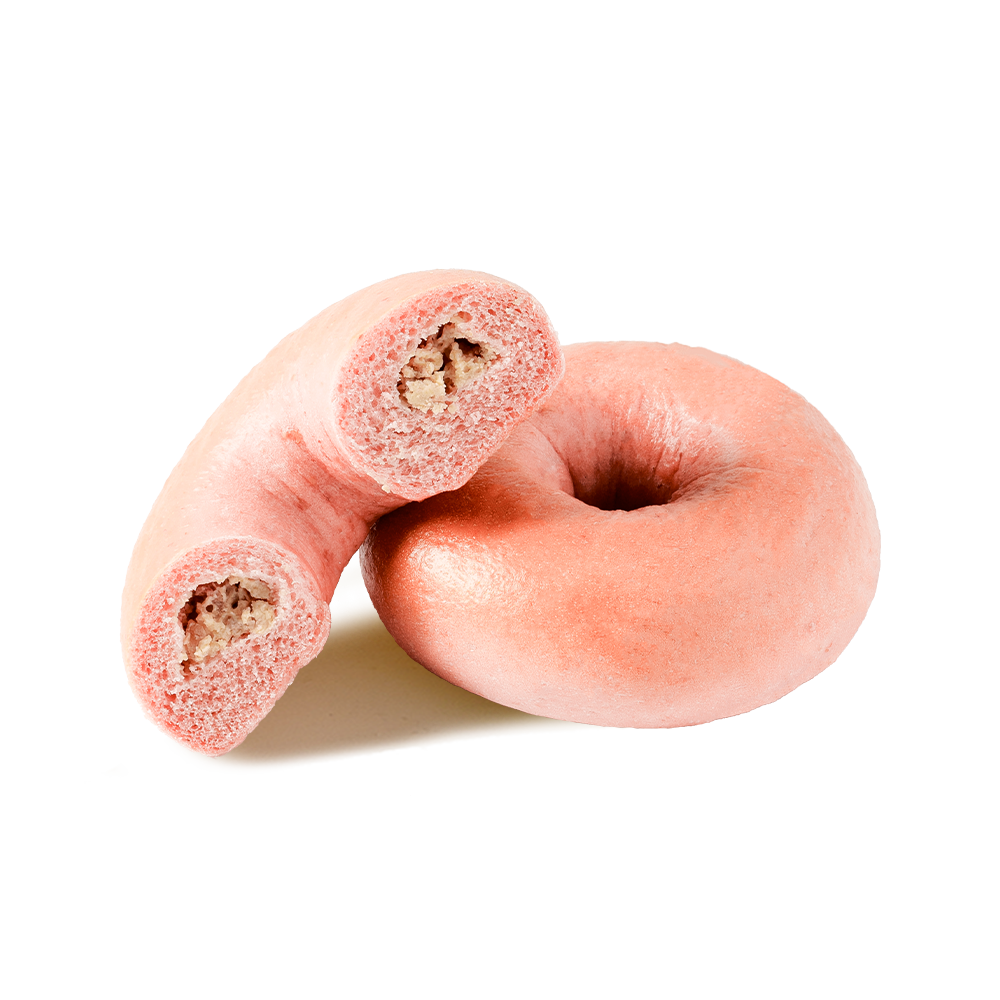
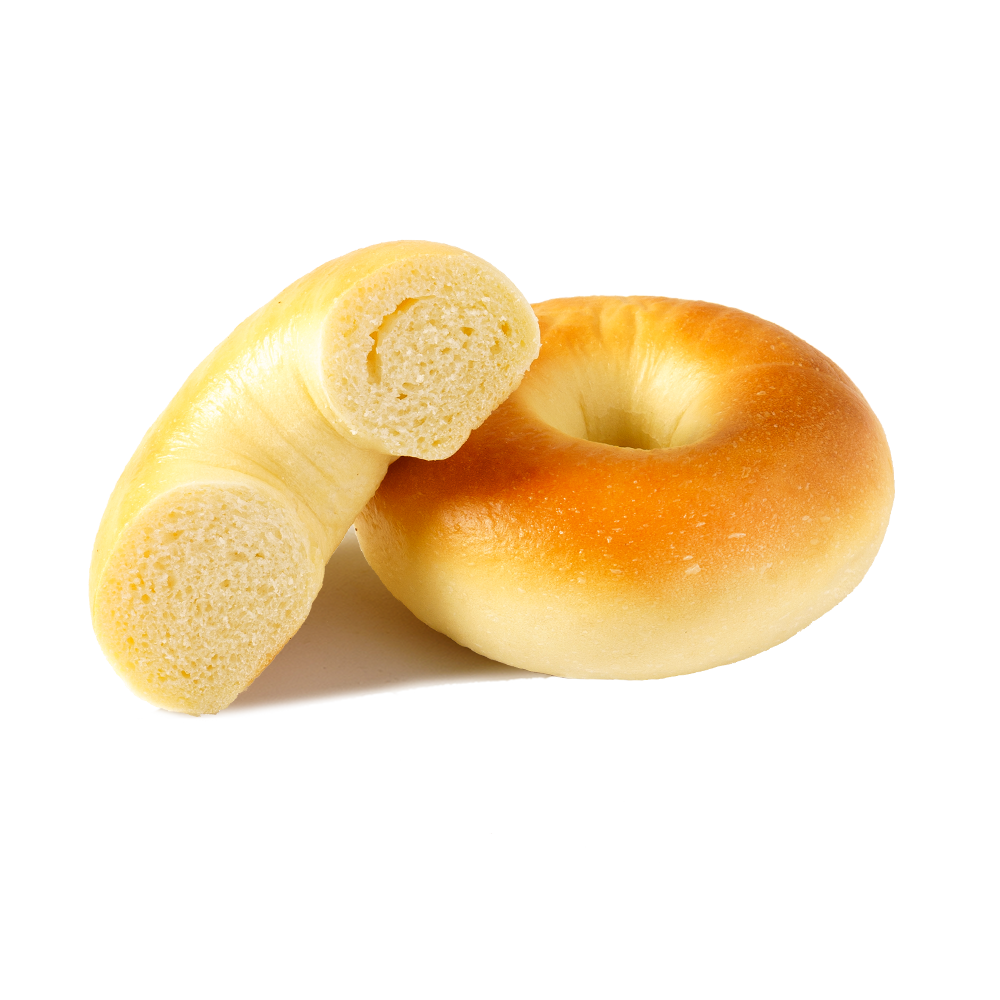 Classic Frozen Bagels for Retail, Cafes, and FoodserviceClean-label classic bagel series with natural ingredients, a 16-step process, and varied flavors for supermarkets, convenience stores, cafes, and sandwich menus.View Product →
Format Comparison: Parbaked, Raw Dough and Thaw-and-Serve
Every frozen bagel brief lands on the same question: how much of the bake do we want to own? The three common answers behave very differently across labor, equipment and risk.
Labor and equipment figures are typical ranges observed across frozen bagel programs; confirm them against your own oven, batch size and store footprint before writing a specification.
The Hidden Metrics Buyers Rarely Test
Unit price gets negotiated hard. These five properties decide whether the product survives contact with a real store.
Thaw loss above 3%
Bake-off window beyond ±1 min
Seed and topping loss after bake
Label claim not verified
Crumb firmness at day 60
Indicative ranking of how quickly each failure point derails a first frozen bagel trial. Use it as a checklist, not as a benchmark.
Thaw loss is the one to watch. A bagel that sheds more than roughly 3% of its weight in the thaw cabinet is losing water it will never recover, and the crumb firms up days earlier than the label promises. Weigh a batch before and after a 24-hour thaw with a kitchen scale; it takes ten minutes and tells you more than any specification sheet.
Where the Volume Actually Goes
- Retail and convenience: 34%
- Coffee and tea chains: 28%
- Foodservice and catering: 22%
- In-store bakery operators: 16%
Retail rewards a photogenic crumb and a clean label that holds on the shelf. The coffee and tea slice moves fastest because menus rotate quarterly and a filled or sandwiched bagel can be relaunched without touching the base formula. Foodservice places the highest value on a consistent bake-off window, since a single outlet may run the same item twice a day for two hundred days.
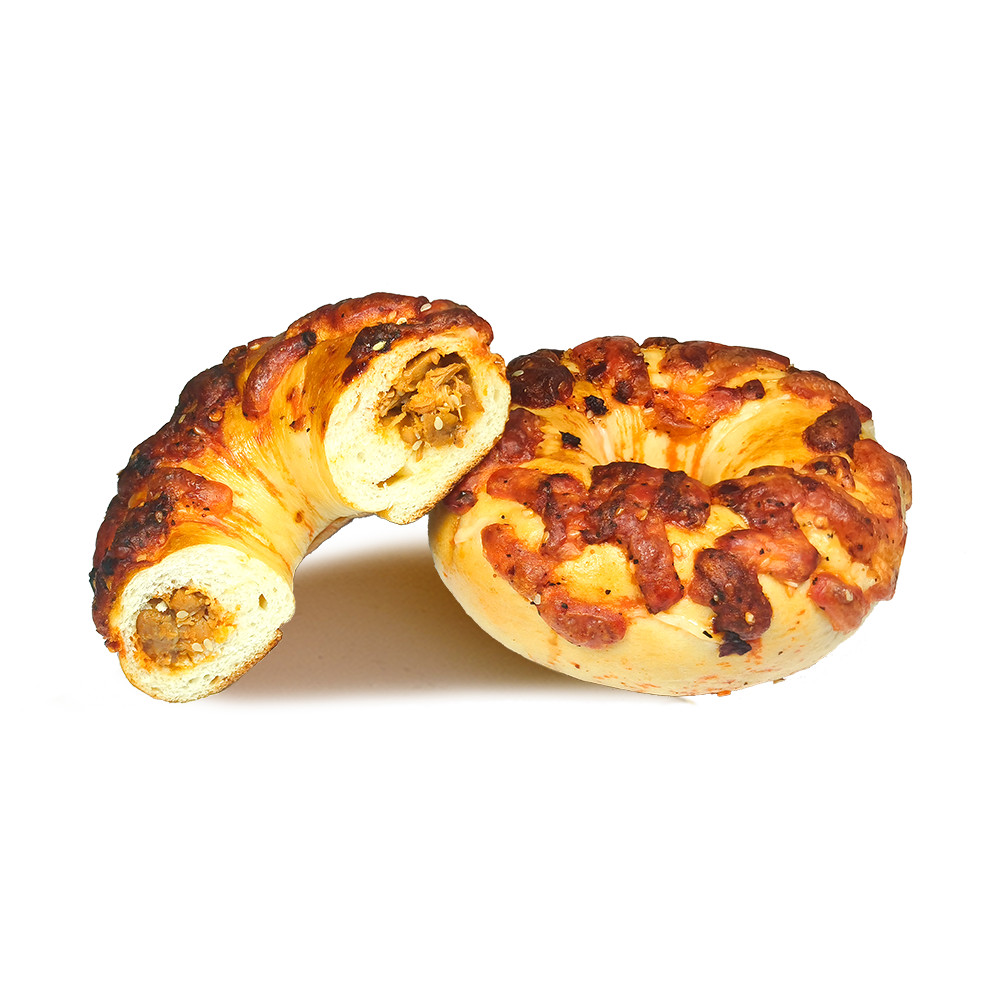
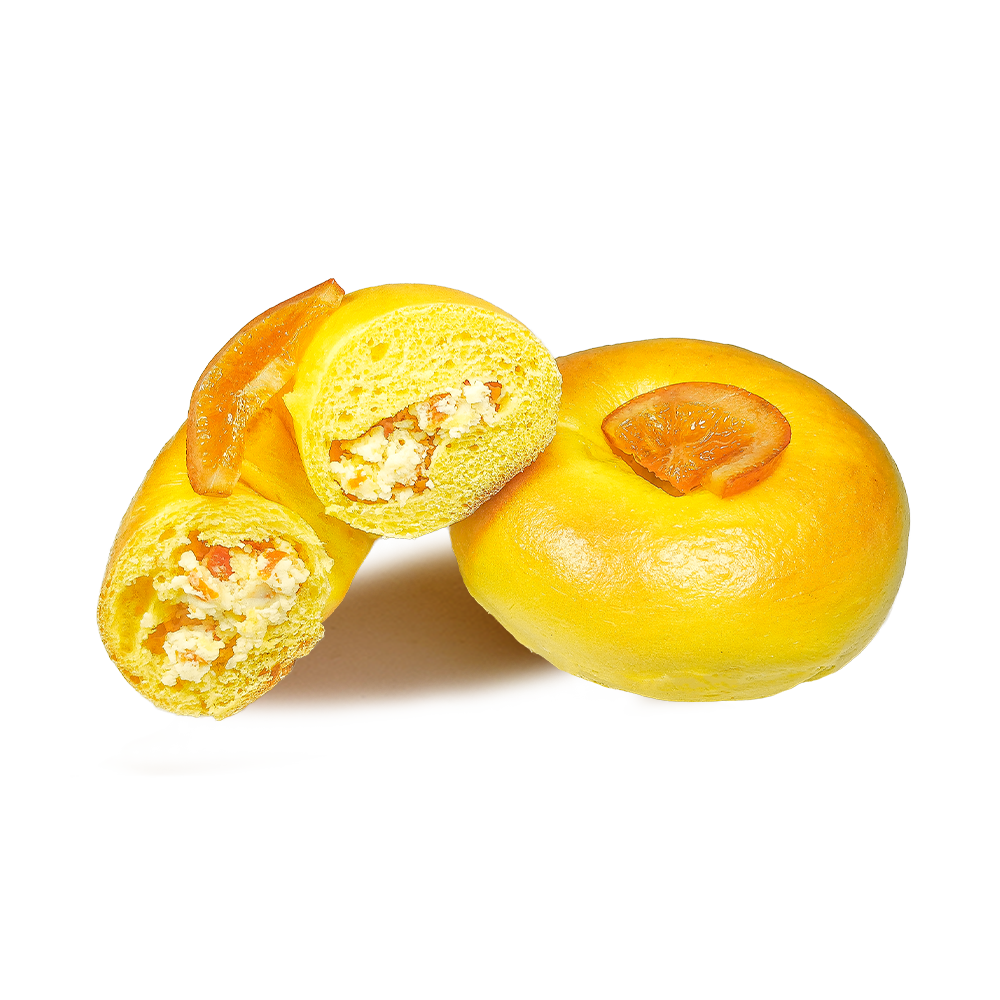 Cream Cheese Stuffed Bagels for Cafes and RetailCream cheese bagel series made with New Zealand Anchor cream cheese and butter, offering creamy filled options for cafes, tea shops, and retail.View Product →
The ROI Question: Scratch Baking Versus Frozen Bagels
Step 1 — Baseline the real labor
Add up hours spent mixing, shaping, proofing, baking, cleaning and ordering flour, plus the supervisor time consumed training replacements. The overnight baker's wage is rarely the whole cost.
Step 2 — Count the waste
Scratch production generates day-end unsold stock and dough that does not survive a slow shift. Frozen inventory holds at -18°C until needed, so waste moves from a daily figure to a per-batch figure.
Step 3 — Price the equipment you avoid
A proofer plus deck oven, its footprint, its gas line and its service contract sit on the scratch side. Thaw-and-serve needs a display case; parbaked needs a convection oven many sites already own.
Step 4 — Pilot before scaling
Run four SKUs for four weeks across two stores with different traffic patterns. Compare sell-through, thaw loss and complaint rate, not only unit cost.
Break-even usually lands on labor, not product price. A site that removes fifteen hours of overnight work a week absorbs a modest unit premium quickly. A site that removes nothing and simply swaps one frozen supplier for another has only unit cost left to argue about — decide which project you are actually running before negotiations begin.
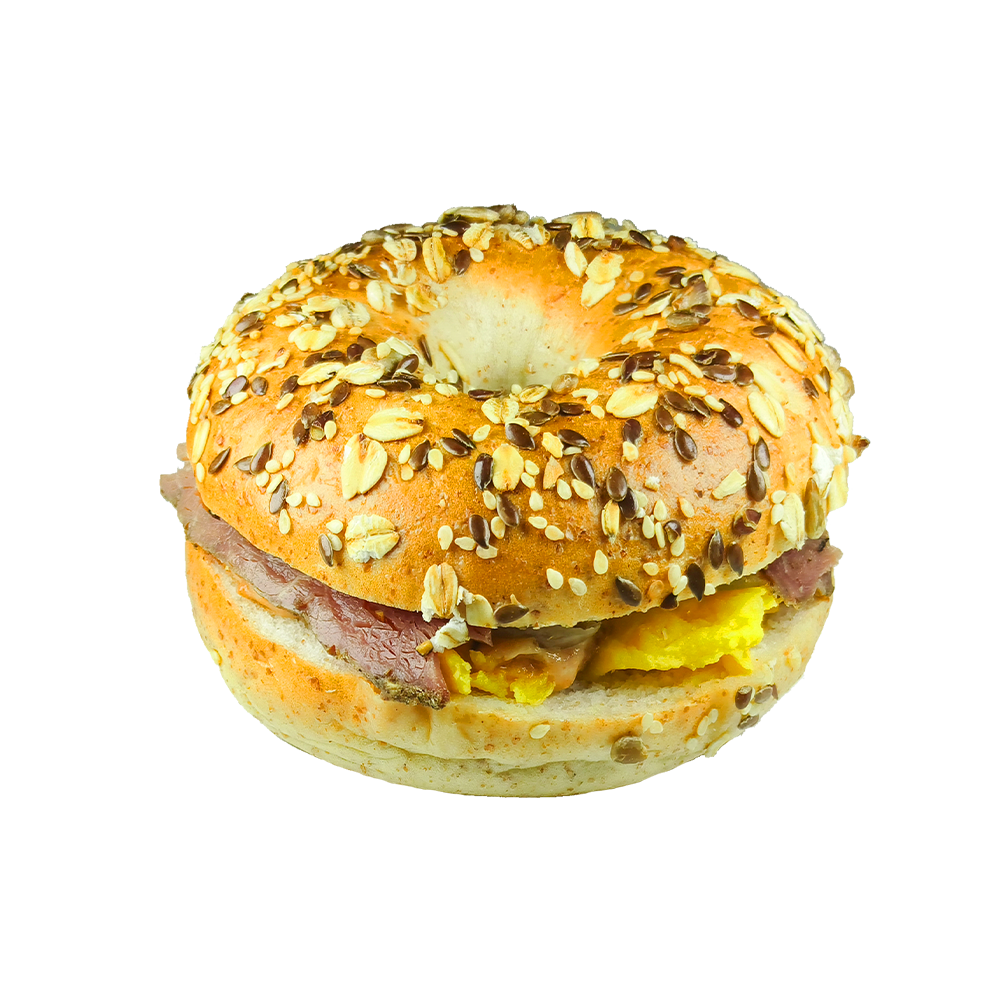
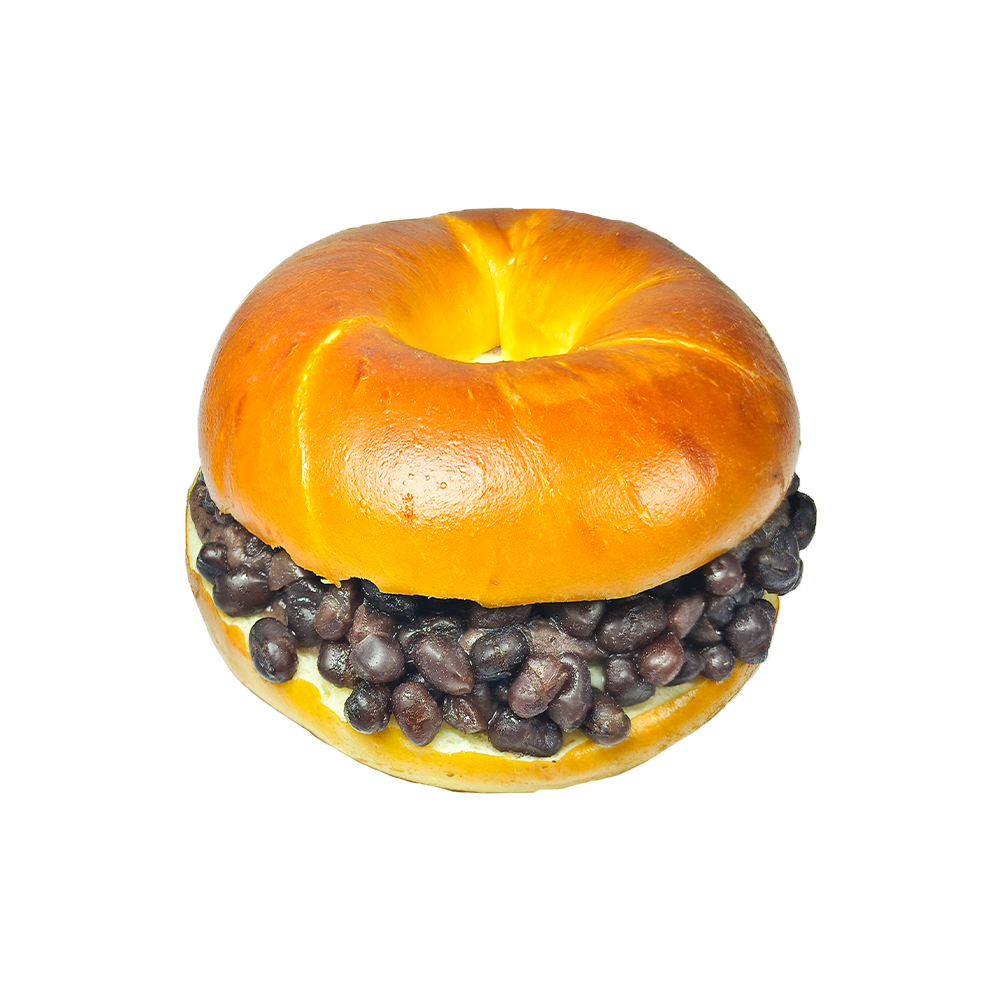
 Hot Sandwich Bagels with Savory Fillings for FoodserviceWarm-served bagel sandwiches on plain, alkaline, or multigrain bases with cold cuts, tuna, vegetables, and mushrooms for cafes and foodservice.View Product →
A Four-Week Trial Protocol That Predicts Performance
- Week 1 — Paperwork: frozen-basis and baked-basis nutrition, allergen statement, country of origin, shelf-life validation and temperature logs from the last three shipments.
- Week 2 — Thaw test: weigh ten units before and after a 24-hour thaw at store temperature and record weight loss plus surface moisture.
- Week 3 — Bake-off: hold one batch per store, logging time, internal temperature and appearance against your own standard photograph.
- Week 4 — Shelf check: keep a sealed sample and score crumb firmness weekly. This is where clean-label formulas either hold or fail.
- Throughout — Complaint audit: track returns, staleness complaints and units discarded per bake-off batch.
Cold Chain, Labeling and the Compliance Layer
Trends move; the audit does not. Three areas decide whether a supplier stays on an approved list after the launch buzz fades.
- Cold chain integrity: hold -18°C from plant to store with continuous logging. A single thaw-and-refreeze event can visibly damage the crumb and shorten the practical shelf life.
- Label accuracy: protein, fiber and preservative-free claims must be verifiable on the finished product in the market where it is sold. Request the certificate of analysis rather than the marketing sheet.
- Traceability: lot-level records linking flour and filling batches to each shipment. Allergen changeover procedures matter most for stuffed and sandwich items where dairy, egg and nuts share a line.
If you are commissioning private label, fix the specification document early: filling ratio by weight, target weight tolerance, seed coverage and the acceptable color range after bake. Specifications that describe flavor alone tend to produce disputes once volume arrives.
Bagels happen to fit the current demand set unusually well: they carry protein naturally, freeze cleanly and hold a premium price without a pastry chef. The trends are not asking for a new category, only for tighter numbers on a familiar one. Document thaw loss, bake-off window and every label claim in writing, and the rest of the menu can move at whatever speed the market sets.
