Why Real Fruit Pieces in Bagels Behave Differently from Fruit Flavoring
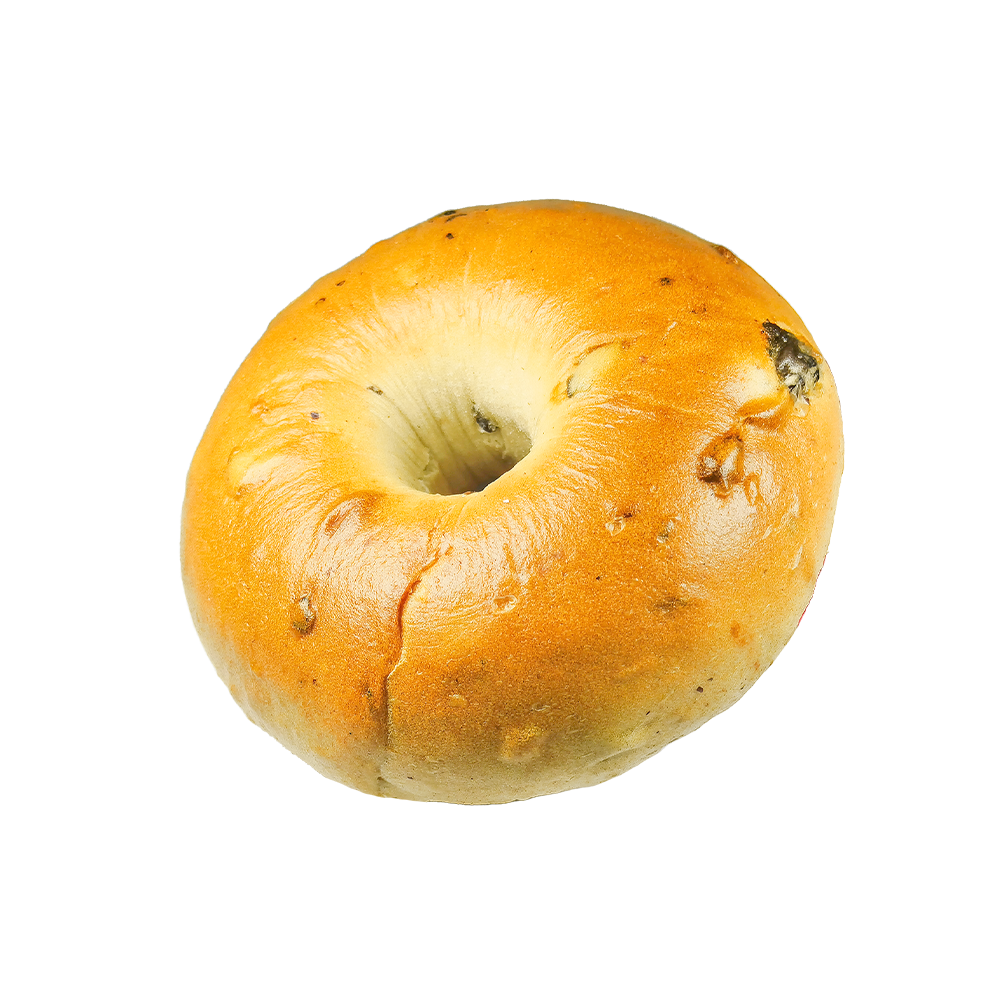
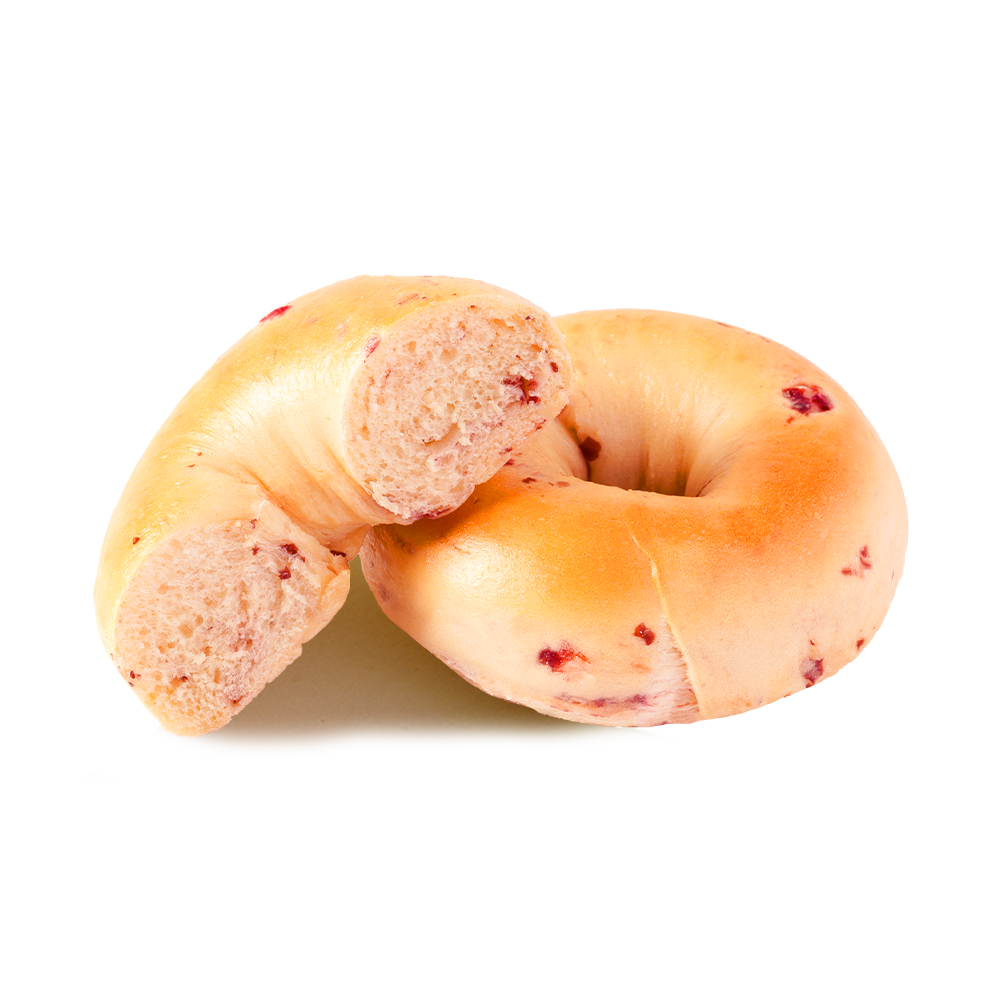
Using real fruit pieces in baked goods like bagels is a fundamentally different formulation challenge compared to using fruit extracts or artificial flavoring. Actual fruit tissue contains water, natural sugars, organic acids, and cell-wall fibers — all of which interact with the dough matrix during mixing, proofing, and baking. When Jiangsu Goobagel Food Technology Co., Ltd. develops a Sweet & Fruity Bagel product line, the R&D team must account for moisture migration: fruit pieces release water during baking, which can create localized wet zones that affect crumb structure and crust integrity. This is why freeze-dried or partially dehydrated fruit formats are often preferred — they rehydrate in the oven without over-softening the dough. The result is a product where the natural sweetness and texture of the fruit are preserved without compromising the characteristic chew of a classic bagel.
The Science Behind Natural Sweetness Without Added Sugar
Achieving a satisfying sweetness in a no added sugar bagel requires understanding the Maillard reaction, caramelization, and the glycemic contribution of fruit-derived sugars. Fructose, glucose, and sucrose naturally present in fruit pieces contribute to both flavor and browning during baking — without any supplementary sweetener being added to the formula. At Goobagel Food, clean-label product development centers on leveraging these intrinsic fruit sugars as the sole source of sweetness. However, because fructose has a lower caramelization threshold than sucrose, formulas using high-fructose fruit (such as dates or ripe banana) must be baked at slightly lower temperatures or for shorter durations to prevent overbrowning. This balance between color development and internal doneness is a key technical variable that separates a well-executed natural sweetness product from one that looks or tastes overcooked.
How Kid-Friendly Design Shapes Bagel Product Development
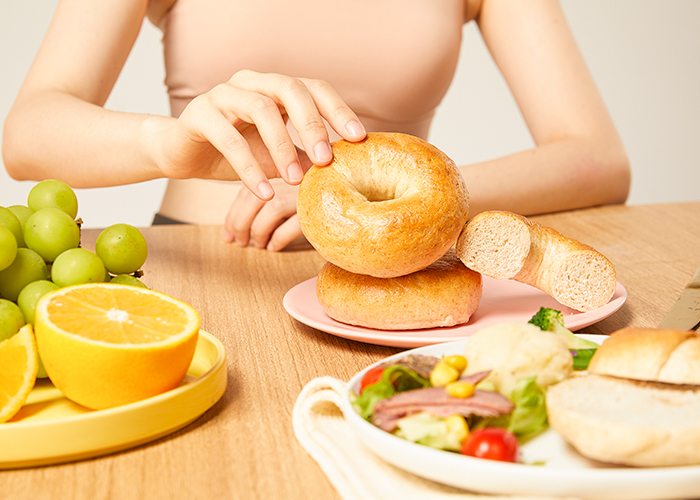
Designing a kid-friendly bakery product goes well beyond flavor — it encompasses texture, portioning, visual appeal, and allergen transparency. Children generally prefer softer crumb structures and milder flavors, which means a Sweet & Fruity Bagel intended for younger consumers requires dough hydration and proofing protocols tuned for a pillowy interior rather than a dense, chewy NYC-style bagel. Visual fruit distribution also matters: kids respond positively to clearly visible, colorful fruit pieces, which signals flavor expectation before the first bite. Goobagel Food applies this thinking across its 100+ bagel variety portfolio, designing products where the fruit pieces are deliberately sized and distributed for visual impact and consistent flavor per bite. Portion sizing is another lever — mini bagel formats around 40–55g are significantly more appropriate for children than full-size 110g versions, both in caloric load and handling comfort.
Clean Label Compliance: What "No Added Sugar" Really Means on Packaging
The claim "no added sugar" is regulated differently across markets, and manufacturers exporting from China must navigate a patchwork of standards. In China's GB 28050 national standard, "no added sugar" means no monosaccharides, disaccharides, or sugar alcohols were added during processing — but sugars naturally present in ingredients (including fruit pieces) are permissible and do not need to be disclosed under this claim. In contrast, EU and US labeling frameworks require the total sugar content to be declared regardless of source. For a company like Jiangsu Goobagel Food Technology Co., Ltd. operating as an OEM Classic Bagel Factory serving international retail clients, this distinction is operationally critical. A single formula might legitimately carry a "no added sugar" claim in one market while requiring additional nutritional disclosure language in another. Below is a simplified comparison of key regulatory frameworks:
| Market |
Standard |
Fruit Sugar Counted? |
Claim Allowed If Only Fruit Sugar Present? |
| China |
GB 28050 |
Not as "added" |
Yes |
| USA |
FDA 21 CFR |
Total sugars declared |
Yes, with disclosure |
| EU |
EC 1924/2006 |
Total sugars declared |
Conditional on total sugar ≤0.5g/100g |
| Australia/NZ |
FSANZ |
Total sugars declared |
Yes, with nutrition panel |
Fruit Selection Criteria for Frozen Bagel Production
Not all fruits are equal in the context of industrial frozen bagel manufacturing. The selection process at a facility like Goobagel Food involves evaluating fruit ingredients across multiple technical dimensions before any formula is approved for production. Key factors include water activity, sugar concentration, pH, structural integrity after freeze-thaw cycles, and color stability under extended storage. Below are common fruit formats used and their respective trade-offs:
- Freeze-dried fruit pieces: Highest flavor concentration and color retention; low moisture activity reduces microbial risk; rehydrate during baking to deliver a burst of natural sweetness. Preferred for premium SKUs where sensory intensity matters.
- IQF (Individually Quick Frozen) fruit pieces: Cost-effective for larger inclusion sizes; excellent texture when incorporated pre-bake; higher moisture content requires formula adjustment to manage dough hydration balance.
- Fruit pastes or purees: Uniformly distributed through dough; ideal for flavor profiles where discrete pieces are not required; contributes natural color to the crumb. Requires careful pH management to avoid interfering with yeast activity.
- Dried fruit pieces (sulfite-free): Robust shelf stability; chewy texture that contrasts well with bagel crumb; must be monitored for surface oil content, which can interfere with gluten network formation.
Positioning Sweet Bagels Across Retail, Café, and Foodservice Channels
The commercial positioning of a Sweet & Fruity Bagel differs substantially depending on the sales channel. In retail, the product competes against breakfast pastries, muffins, and flavored toast — the emphasis should be on the no added sugar and kid-friendly attributes, which justify premium shelf placement in health-oriented or family sections. In café chains and tea brands, the same product serves as a food pairing anchor, positioned alongside beverages rather than as a standalone meal; here, portioning and visual presentation are more important than nutritional claims. In institutional foodservice (school canteens, hospital cafeterias), the clean-label and kid-friendly angles are regulatory assets — some procurement specifications actively require no added sugar compliance. Jiangsu Goobagel Food Technology Co., Ltd. has structured its OEM Classic Bagel Factory model to support customized packaging, portion weights, and labeling for each of these channels independently, allowing retail and foodservice clients to receive commercially distinct versions of the same core formula without redundant production runs.
Freeze-Thaw Stability: The Hidden Quality Variable in Frozen Fruit Bagels
One of the most demanding technical challenges in producing a frozen Sweet & Fruity Bagel is maintaining quality across the full cold chain — from production freeze to consumer thaw. Fruit inclusions are particularly susceptible to freeze-thaw degradation because their cell walls rupture during ice crystal formation, causing weeping (excess moisture release) upon thawing. This results in a soggy crumb zone around the fruit pieces, which undermines both texture and visual appeal. Goobagel Food addresses this through a combination of rapid post-bake freezing (IQF tunnel technology bringing the product core to -18°C within minutes), controlled ice crystal size management during initial freeze, and formula-level adjustments including modified starch additions and optimized hydrocolloid ratios that create a moisture buffer around fruit inclusions. Products tested across three freeze-thaw cycles should maintain structural integrity and show no significant weeping before being approved for commercial distribution — a standard that protects the Classic Bagel Manufacturers' reputation when products reach end consumers weeks or months after production.
OEM Customization Depth for Sweet Bagel SKUs
When brands approach Goobagel Food for OEM Classic Bagel production, the level of customization available for a Sweet & Fruity Bagel product goes considerably deeper than flavor selection. A full custom brief can specify the following variables independently:
- Fruit sourcing origin: Domestic Chinese fruit varieties vs. imported options, with corresponding flavor profile differences — for example, Shandong blueberries carry a different anthocyanin profile and tartness level than Chilean varieties.
- Inclusion density: The ratio of fruit pieces per 100g of dough weight affects both eating experience and cost structure; clients can define a minimum visible inclusion count per cross-section for quality control documentation.
- Crust character: Traditional kettle-boiled bagels develop a distinct shiny crust due to starch gelatinization; steam-injected oven alternatives produce a slightly different surface texture that may be preferred in certain retail aesthetics for kid-friendly SKUs.
- Labeling language and format: Multi-language packaging for export, allergen declaration format, and nutritional panel layout can all be specified per client requirement — critical for brands distributing across multiple regulatory jurisdictions simultaneously.
This level of customization depth is what distinguishes a true development partner like Jiangsu Goobagel Food Technology Co., Ltd. from commodity bagel suppliers, and is central to the company's value proposition for brand clients seeking Supply Custom Classic Bagel solutions that align with their specific market positioning and clean-label commitments.

 中文简体
中文简体
 English