
 中文简体
 English
postmaster@goobagelfood.com
Content
- 1 Why the Clean-Looking Part of a Mouldy Loaf Is Not Clean
- 2 How a Loaf Moves From Fresh to Contaminated
- 3 What Actually Drives Mould Risk in Ambient Bread
- 4 Where Mould Complaints Concentrate by Category
- 5 What to Do With Bread That Has Started to Mould
- 6 Preventing Mould Instead of Cutting It: What Buyers Should Specify
- 7 Maintenance, Compliance and Cold Chain: What Holds Up in an Audit
One blue-green patch in the corner of a sliced loaf. One fuzzy ring in a crate of thawed bagels. The first instinct is to slice off the mouldy section and use the rest. For soft bread, that instinct is wrong, and the mistake usually happens in the same two places: a home kitchen, or a café back counter where staff try to save product rather than write it off.
Short answer: no. You cannot cut mould off soft bread and eat what is left. By the time a colony is visible, mould hyphae have already grown through the crumb, and mycotoxins can be present in slices that look perfectly clean. The whole loaf, bun or bagel goes in the bin. Trimming only works on dense, dry, low-moisture foods such as hard cheese or dry-cured salami, where contamination stays close to the surface.
That distinction carries real commercial weight. One mould complaint from a shop display, or one mouldy bagel in a delivery to a tea chain, costs far more than the product itself: replacements, reputation and, in some markets, a recall notice. Understanding how bread mould actually spreads makes the decision simple, and it also explains why frozen bread formats earn their extra logistics cost.
Why the Clean-Looking Part of a Mouldy Loaf Is Not Clean
Mould is a fungus that grows as a network, not as a spot. What you see is the surface growth; underneath and around it, thread-like hyphae run through the crumb, using the bread's moisture and nutrients as a highway. Four factors explain why trimming fails on bread.
- Hyphae are invisible at the visual-patch stage. A colony only a few millimetres across can have hyphae reaching well over a centimetre into surrounding crumb, especially in a moist, open-crumb loaf.
- Water activity is high. Fresh bread typically sits above 0.90 water activity (aw), comfortably inside the range where mould grows quickly. Dry foods below roughly 0.70 aw resist mould on their own; bread does not.
- Mycotoxins do not stay where the mould is. Some common spoilage species can produce mycotoxins that migrate into crumb and crust showing no visible growth, and normal toasting temperatures do not reliably destroy them.
- Sugar, milk powder and inclusions feed the colony. Enriched doughs give mould a fast start, and whole-grain or seeded loaves hold extra surface moisture that helps spores settle.
Surface versus interior
Visible growth is only the edge of the network. Interior hyphae can extend more than a centimetre beyond the patch in a soft crumb.
Temperature window
Most bread spoilage moulds grow fastest between roughly 20°C and 30°C. A shop shelf in summer sits close to the ideal range.
Packaging holds moisture in
A sealed bag stops the loaf drying out, which keeps aw high and traps the condensation that spores need.
No preservative, no safety net
Clean-label loaves without propionate or sorbate depend entirely on cold chain, packaging and hygiene to stay clear.
How a Loaf Moves From Fresh to Contaminated
The sequence below reflects typical behaviour of a soft, sliced loaf held at 22-25°C in a sealed bag. Exact timing shifts with recipe, aw, headspace oxygen and bakery hygiene, but the order of events does not.
Illustrative ranges for soft wheat bread stored sealed at room temperature; frozen product only holds while the cold chain remains intact.
What Actually Drives Mould Risk in Ambient Bread
When buyers compare supplier specifications, the variables that matter are not brand claims but measurable conditions. The relative weight of each factor, indexed against water activity at 100, looks like this.
100
88
76
68
60
12
aw above 0.90
22-28°C storage
Sealed bag
No preservative
Whole grain and seeds
Frozen at -18°C
The last bar is the interesting one. Frozen storage does not make a recipe better, but it removes the growth window almost entirely, which is why mould risk in frozen bagel programmes is usually traced back to handling after thawing rather than to the product itself. Whole-grain and seeded recipes sit higher on the index, so a supplier that keeps moisture and surface inclusions under control in those SKUs is doing the harder job.
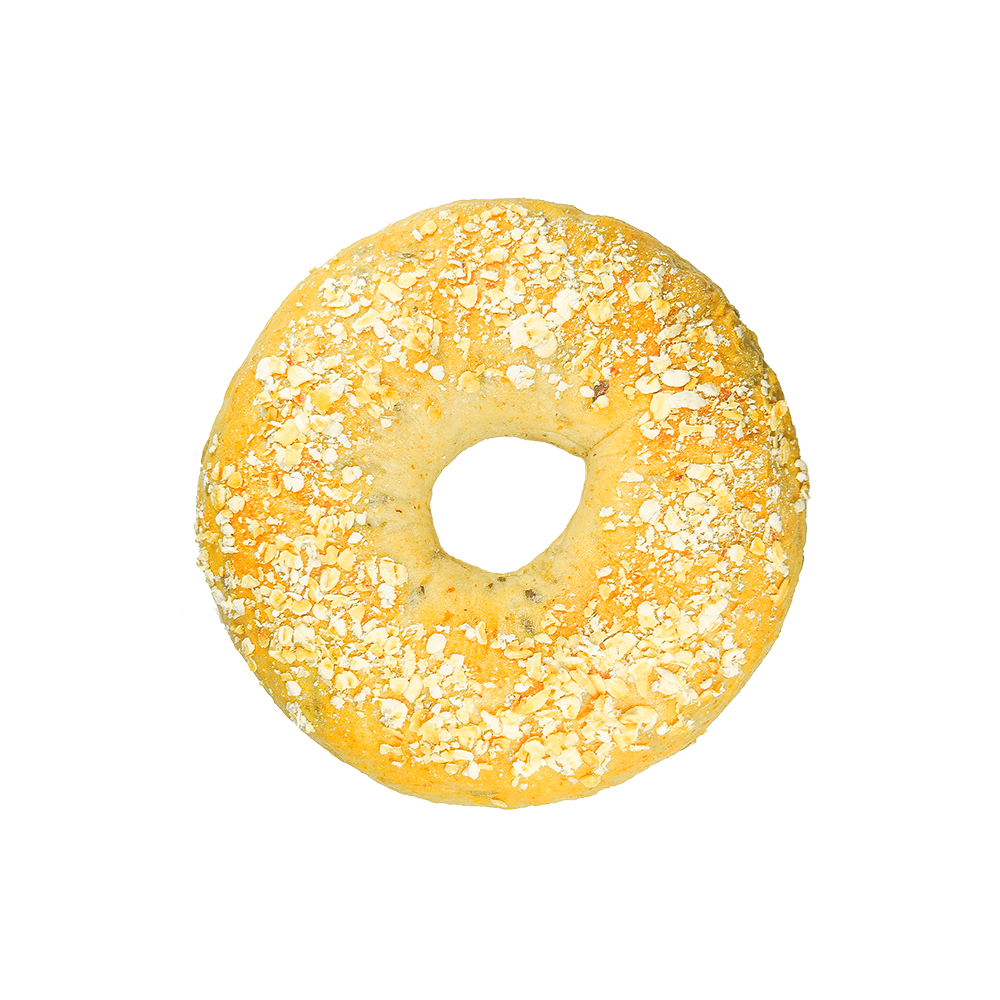 Low Fat Whole Wheat Oat Flaxseed BagelA frozen multi-grain bagel with whole wheat, rolled oats and flaxseed, suited to whole-grain programmes where moisture and surface inclusions need close control.View Product →
Where Mould Complaints Concentrate by Category
Spoilage complaints follow moisture and handling, not price. The distribution below reflects how ambient bread complaints typically cluster by category share.
Soft sliced sandwich bread: 34%
Bagels, buns and specialty rolls: 26%
Artisan sourdough and rye: 16%
Burger and hot dog rolls: 14%
Flatbread and tortillas: 10%
Two readings matter here. Soft, high-aw products dominate because they offer the easiest growth conditions. Sourdough sits lower because acidity and a tighter crumb slow colonisation. And the category growing fastest in frozen formats, bagels and specialty rolls, only shows up in complaint data when thawing and display practices slip at store level.
What to Do With Bread That Has Started to Mould
Whether you are packing lunches or running a production kitchen, the procedure is the same and it takes under two minutes.
- Isolate the item. Move it away from other stock immediately, because spores travel on air movement, hands and cloths.
- Check the batch, not just the piece. If one unit in a sealed pack or delivery crate is mouldy, inspect and quarantine the whole lot; shared moisture or a temperature excursion is the usual cause.
- Discard soft bread completely. Loaves, bagels, buns, rolls, sandwiches and anything with a moist filling follow one rule: no trimming, no toasting, no keeping the clean slices.
- Respect the narrow exceptions. Dense, dry, low-aw foods such as hard cheese, dry-cured salami and firm vegetables with a thick skin can be trimmed at least 2.5 cm around and beyond the mould.
- Clean the storage area. Wipe shelves and bins, launder cloths hot, and stop using the same tongs for mouldy and fresh product.
- Record it. Log the product, batch code, date, storage temperature and a photo. Two or three similar records are enough to demonstrate a supplier-side problem rather than a one-off.
Preventing Mould Instead of Cutting It: What Buyers Should Specify
For cafés, tea chains and retailers, the cheapest fix is to buy bread with a controlled cold chain and a delivery format that matches store reality. Two specifications do most of the work.
Match the delivery format to your thawing capacity
Parbaked, raw dough and thaw-serve formats behave differently at store level. A thaw-serve product taken from the freezer and left in a warm display for a full service day is a mould risk regardless of how good the recipe is. Where a store cannot hold product below 5°C during slow periods, a parbaked format finished in the oven is the safer choice. Suppliers that publish dedicated parbaked frozen bagel formats for foodservice usually pair them with thawing windows and display limits, which is the documentation a technical team actually needs.
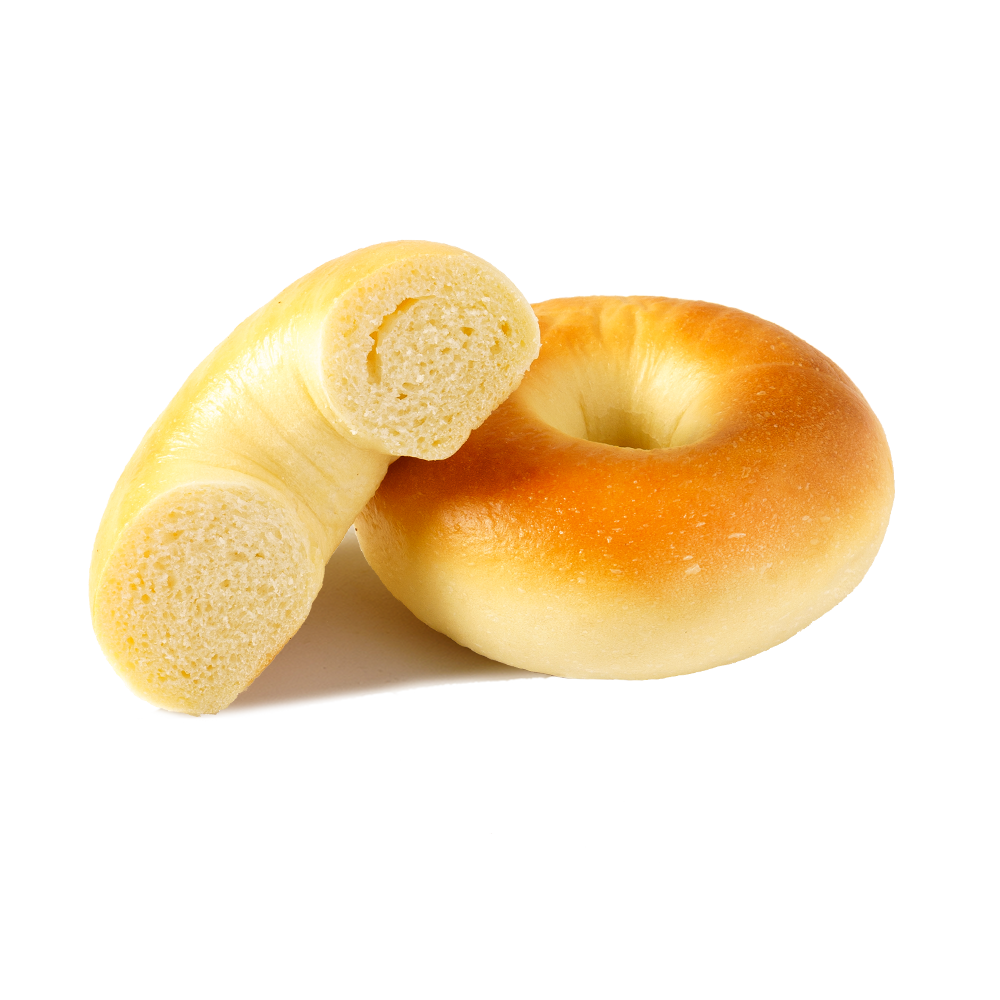
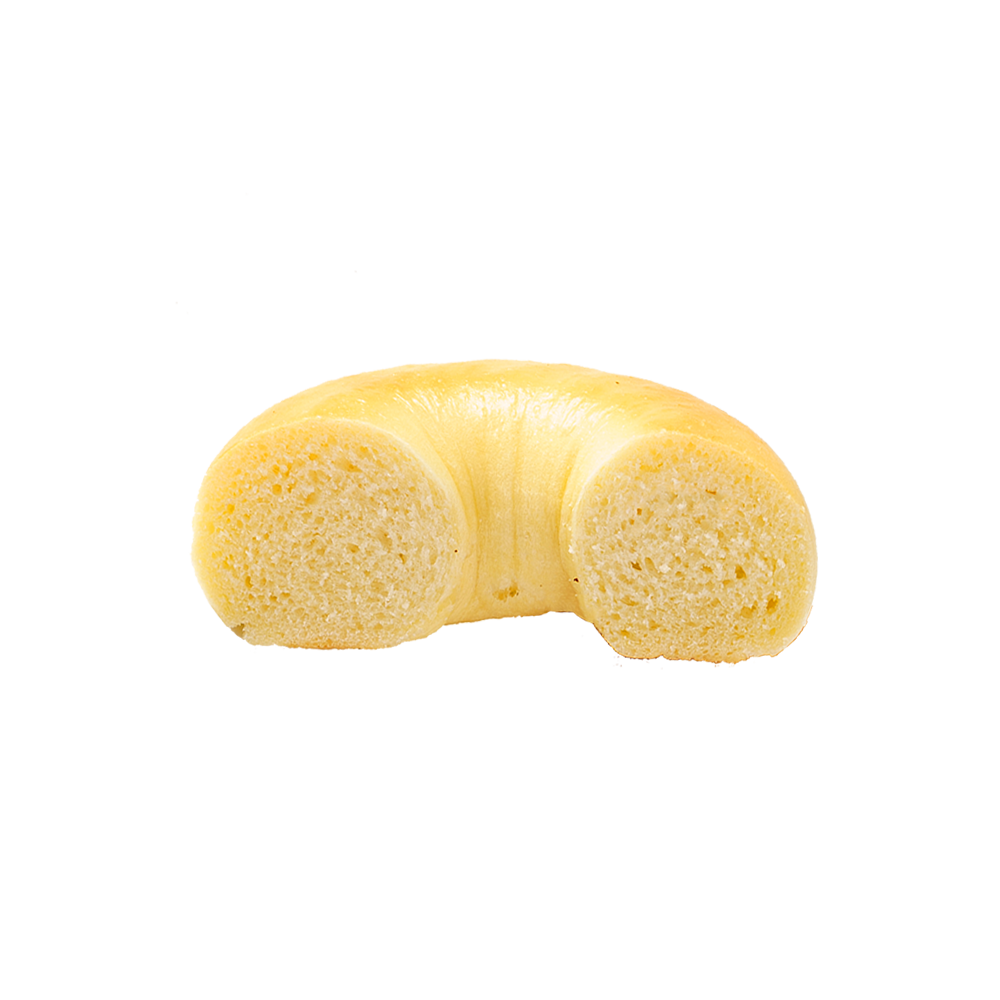 Glossy And Brittle Plain BagelA plain frozen bagel with a clean wheat flavour and glossy, brittle crust, suited to clean-label cold-chain programmes that rely on thawing and display discipline.View Product →
Clean label still needs a preservation strategy
Removing propionate and sorbate removes the mould safety net, so the cold chain becomes the preservation system. Ask for water activity, the validated shelf-life window and the thawing protocol in writing. Formulations built around clean-label bagel formulations without preservatives depend on freezing from the moment of production through to the store freezer, and on packaging that keeps surface moisture low. Moist fillings raise water activity further, so filled and sandwich formats need the tightest frozen discipline of all.
 Spinach Chicken Mushroom Frozen Bagel SandwichA frozen filled bagel sandwich with spinach dough, smoked chicken, mushrooms and bamboo shoots, requiring tight cold-chain control for moist fillings.View Product →
Maintenance, Compliance and Cold Chain: What Holds Up in an Audit
Mould prevention is a documented process, not a promise on a spec sheet. These are the records a retailer or foodservice technical team will ask to see.
- Continuous temperature logs. Frozen storage at -18°C with deviation reports and corrective actions for every excursion above -12°C.
- Water activity and pH on the specification. Plus the shelf-life validation that supports the declared chilled or ambient window.
- Challenge testing. A documented mould challenge test or accelerated shelf-life study is the evidence that answers the question before it is asked.
- Packaging integrity checks. Seal strength, headspace and a dry surface before packing. Condensation inside a bag is the single most common origin of early mould.
- Hygiene in high-care areas. Air handling, condensation control in cooling tunnels, and cleaning validation where crumb and flour dust collect.
- Traceability and recall readiness. Batch coding that links raw material, production shift and delivery, so one complaint can be resolved without a blanket withdrawal.
So the answer stays the same: mouldy bread is thrown out, not trimmed. What changes with scale is the cost. A household loses one loaf; a business selling bagels by the hundred loses a batch, a customer and a slice of trust. That is why the industry's answer is prevention rather than a knife: control water activity, control temperature, and let frozen formats do the shelf-life work a preservative used to do. A manufacturer running parbaked, raw-dough and thaw-serve bagel lines is selling cold-chain discipline as much as it is selling bread.
