What Makes a Stuffed Bagel Different from a Regular Bagel in Production
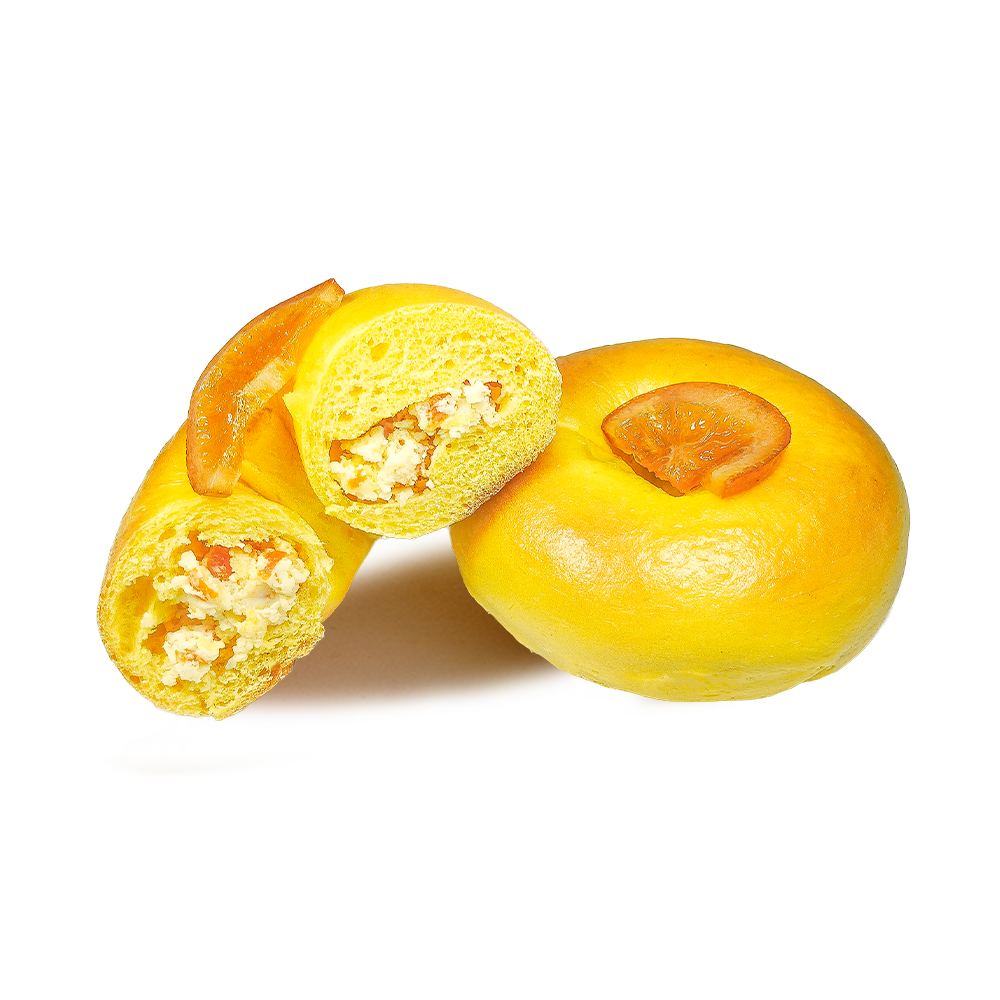
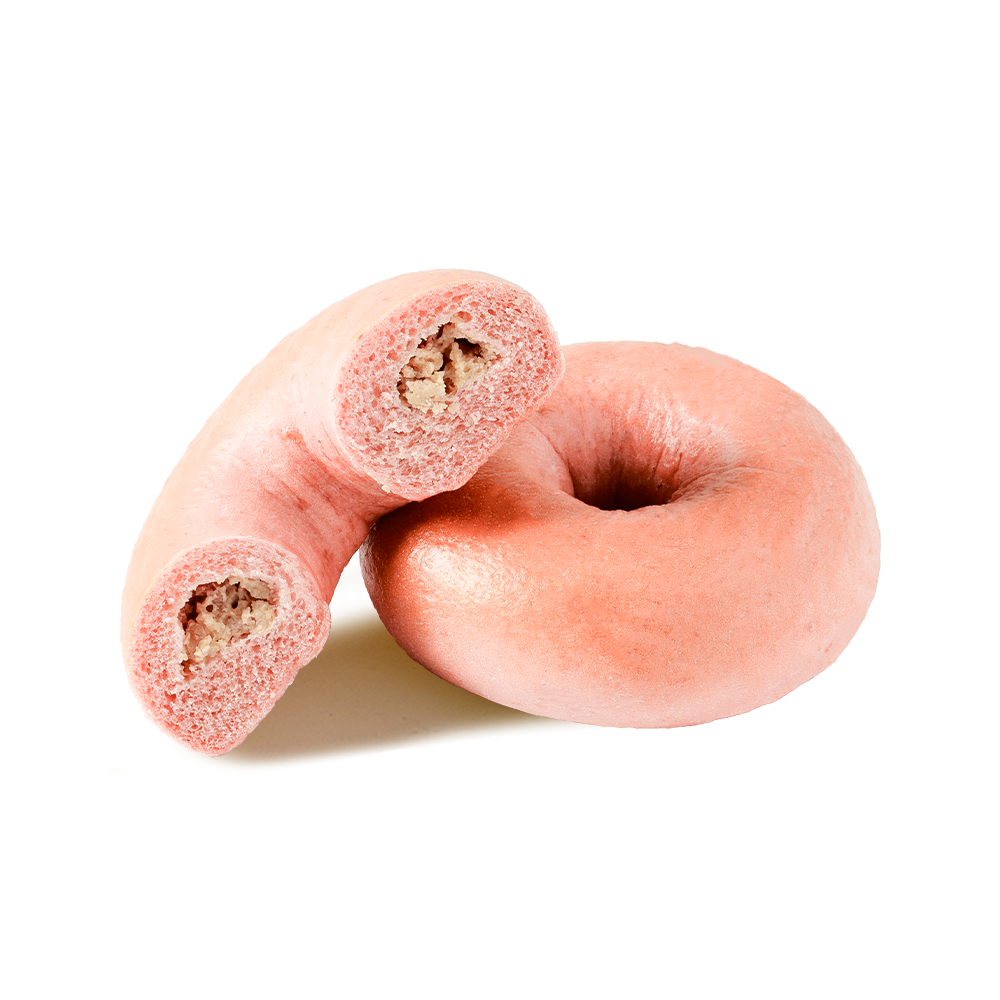
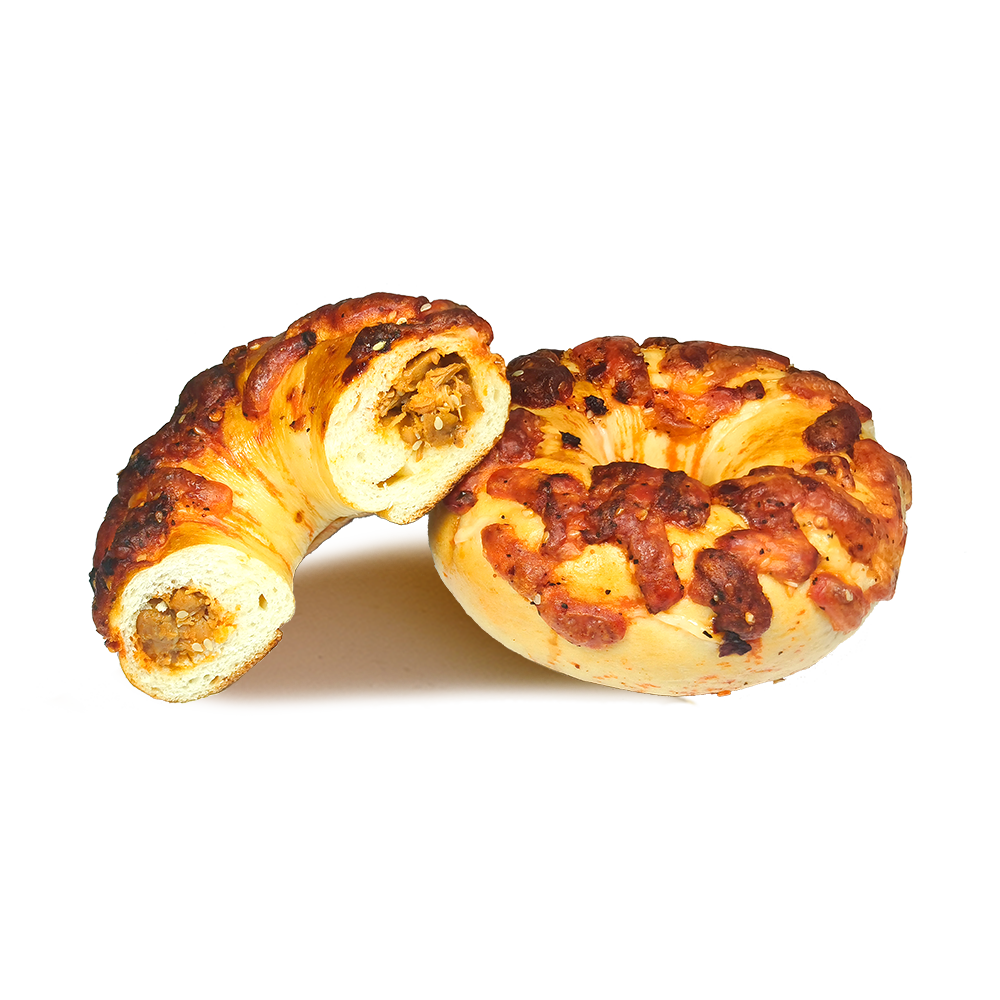
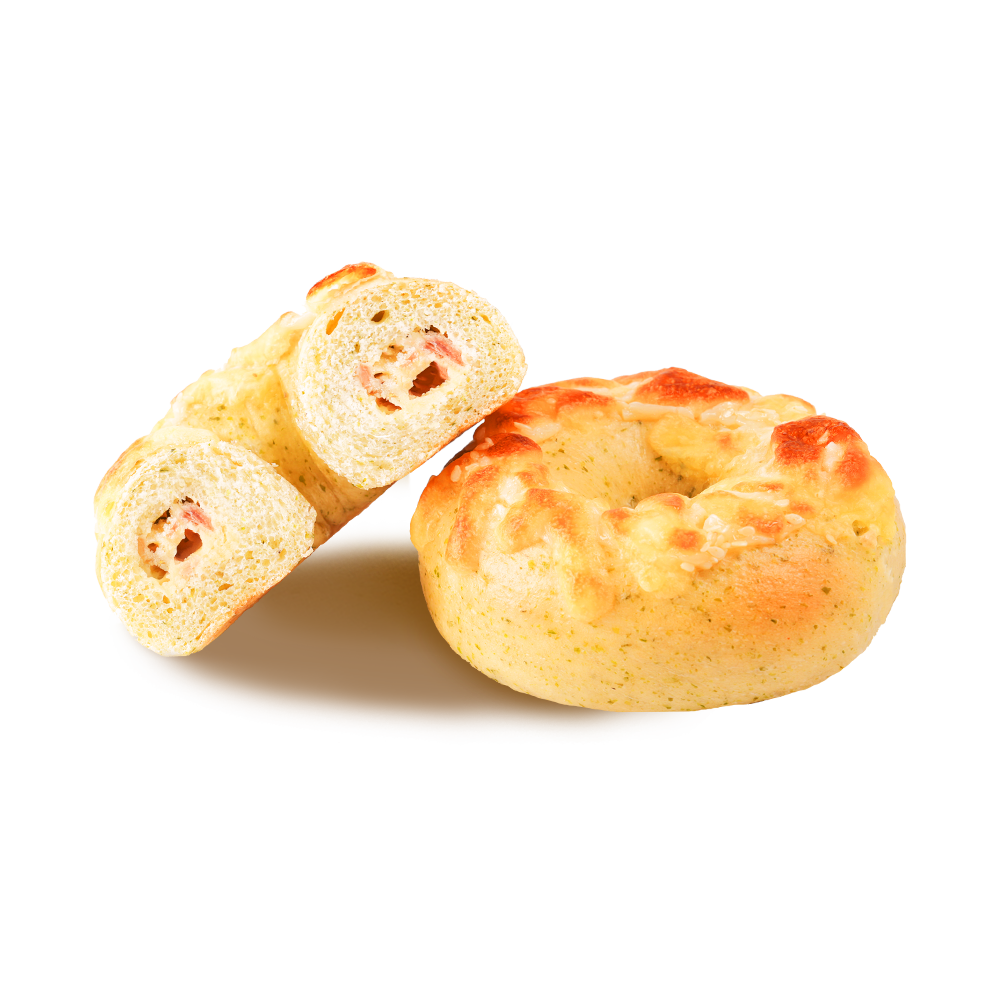
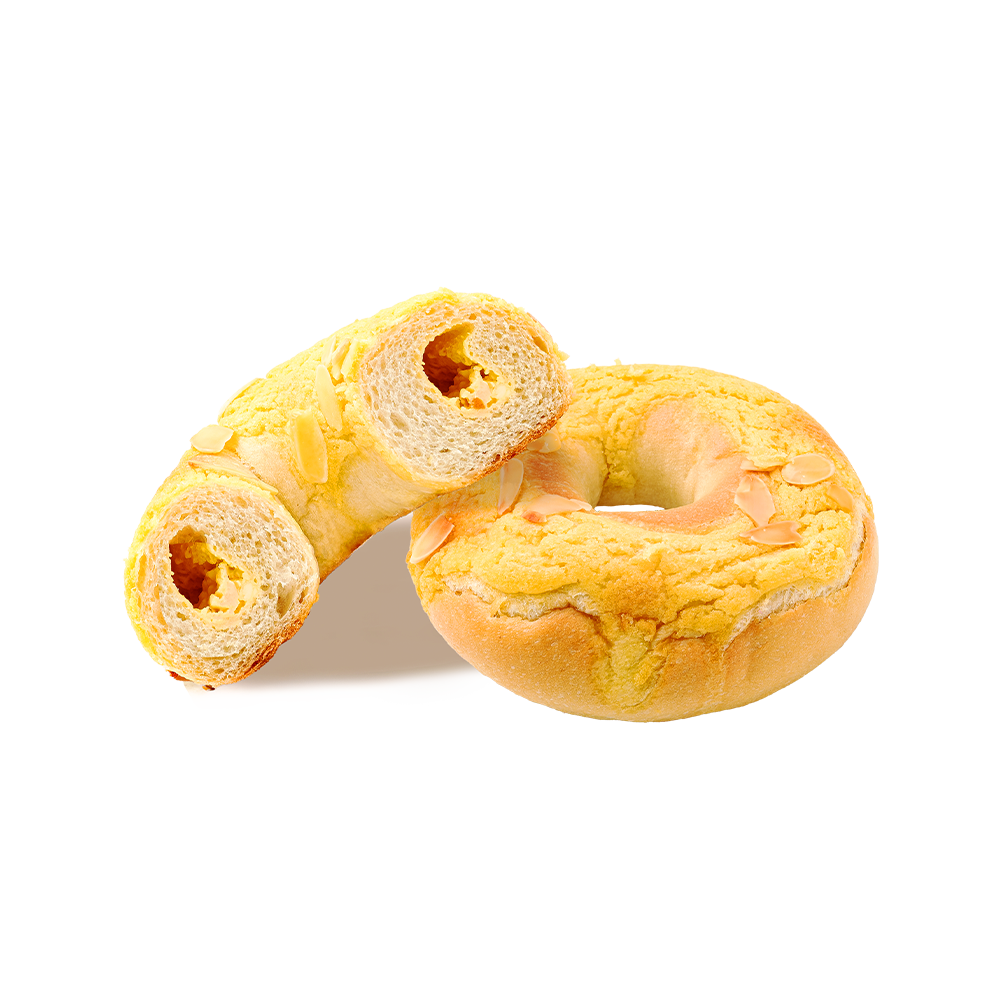
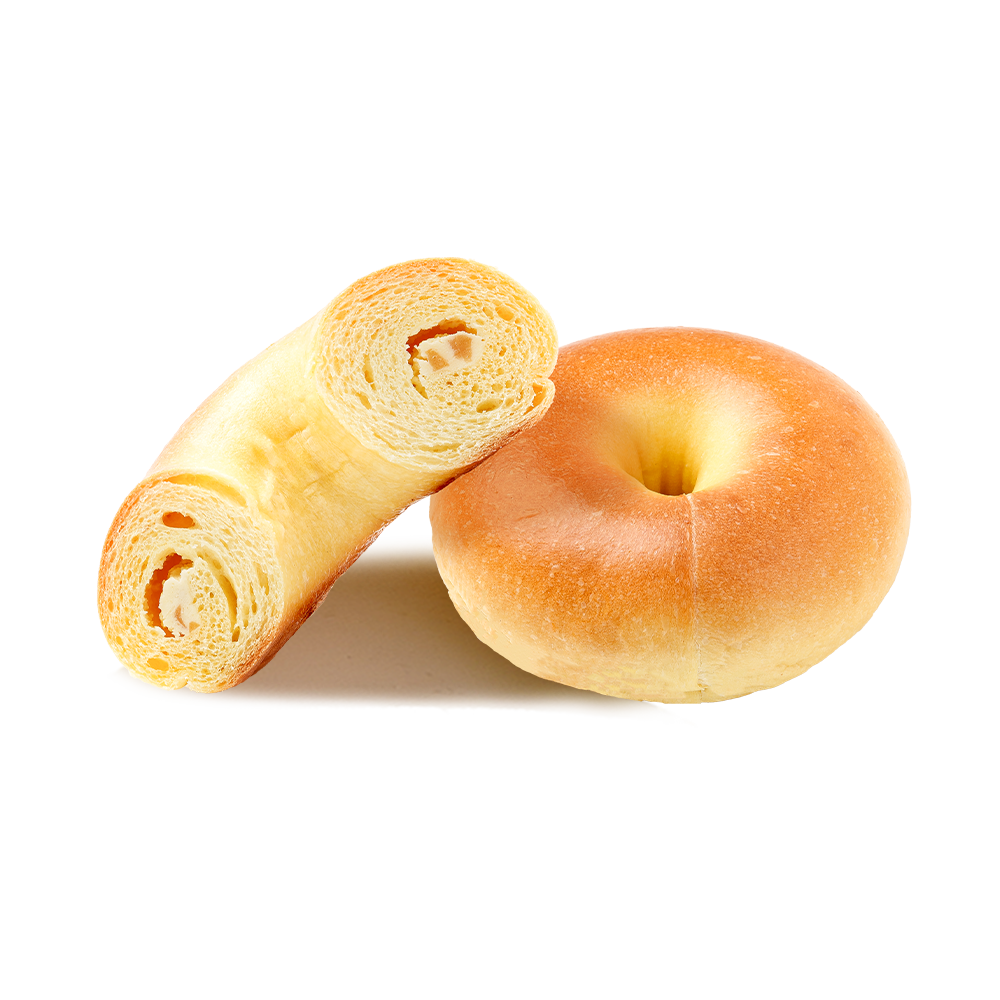
A Stuffed Bagel is not simply a bagel with a filling added after baking — it requires a fundamentally different production logic. The dough must be strong enough to encapsulate the filling during both proofing and the boiling stage, yet soft enough to deliver satisfying bite after freezing and reheating. Fillings with high moisture content, such as cream cheese, fruit compote, or custard, create internal steam pressure during oven baking that can rupture weak seams. To address this, manufacturers like Jiangsu Goobagel Food Technology Co., Ltd. engineer dough formulas with adjusted hydration levels and use specific shaping techniques that create a tighter internal pocket, reducing the risk of leakage while maintaining the signature chewy crust. The boiling step — already unique to bagels among all yeast-leavened breads — must be carefully managed for stuffed variants, since the filling can affect how the outer shell gelatinizes and browns in the oven.
The Role of Frozen Bakery Technology in Delivering a Convenient Meal
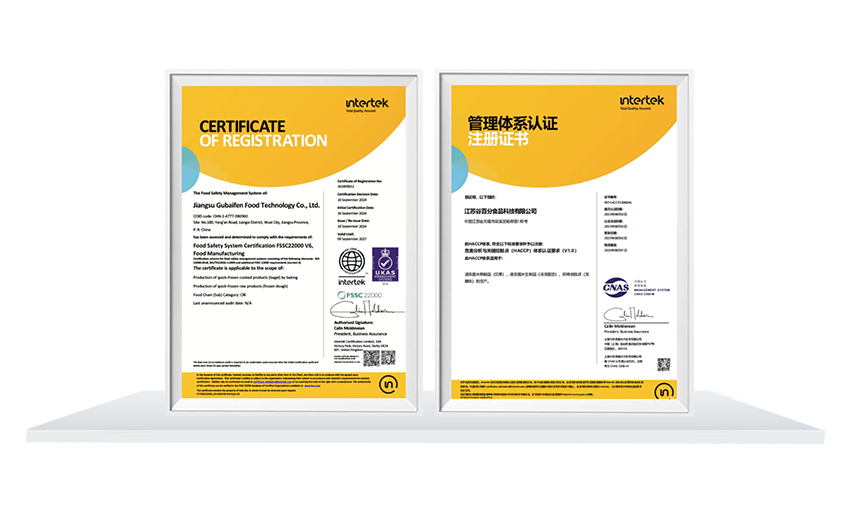
The appeal of a bagel as a Convenient meal hinges entirely on how well it performs after freezing and reheating. In industrial frozen bakery production, there are two primary preservation approaches: fully baked then frozen (FBF), and part-baked then frozen (PBF). For stuffed bagels intended for retail microwave heating, FBF is typically preferred because it allows the filling to be fully cooked and set, reducing food safety risks at the consumer end. For foodservice and café chains that have deck ovens or conveyor ovens on-site, PBF models can deliver a fresher oven-spring effect. Goobagel Food has developed capabilities across both formats since 2019, giving commercial buyers the flexibility to select the format that best suits their kitchen infrastructure and service speed requirements. The entire supply chain — from ingredient sourcing to cold-chain distribution — is managed internally, which is a critical factor in maintaining the consistent frozen performance that commercial operators depend on.
Filling Design and the "Surprise Inside" Effect in Commercial Bakery
The concept of a Surprise inside is more than a marketing phrase — it is a product development strategy that directly influences repeat purchase behavior and social sharing. When a consumer bites into a bagel and encounters an unexpected burst of flavor, texture, or temperature contrast, it creates a memorable sensory moment. In commercial bakery development, this requires careful attention to filling viscosity, flavor intensity, and thermal behavior. For example, a cheese filling that is too firm at room temperature but runny when hot creates a messy eating experience; a fruit filling that is too sweet overwhelms the mildly tangy bagel dough. Goobagel's R&D team has developed over 100 clean-label bagel varieties that balance these sensory parameters, including options designed specifically for tea brand collaborations and café menus where visual cross-section appeal and ingredient transparency both matter to end consumers. Clean-label in this context means no artificial flavors, colors, or preservatives — a requirement increasingly demanded by modern retail buyers.
OEM Bagel Manufacturing: What Brands Actually Negotiate Beyond Price
When a brand engages an OEM Classic Bagel Factory, the conversation quickly moves past unit cost. The real negotiation centers on formula ownership, packaging exclusivity, minimum order quantities by SKU, and lead time guarantees. Brands entering the café or tea-drink channel often require co-development agreements where the recipe is jointly developed but exclusively licensed to the brand for a defined territory and period. As an established Classic Bagel Manufacturers and OEM partner, Jiangsu Goobagel Food Technology Co., Ltd. operates under a fully integrated supply chain model, which means they can offer more reliable lead times than factories that depend on multiple external ingredient suppliers. Below is a summary of the key OEM service dimensions that commercial buyers typically evaluate:
| Dimension |
What to Clarify with the Factory |
Why It Matters |
| Formula Ownership |
Who owns the recipe after co-development? |
Prevents the factory from selling the same product to competitors |
| MOQ Flexibility |
Can MOQ be adjusted per SKU or per order? |
Critical for brands launching multiple flavors simultaneously |
| Shelf Life Validation |
What frozen shelf life is guaranteed and tested? |
Directly affects inventory planning for retail and export |
| Supply Continuity |
Is raw material sourcing vertically integrated? |
Prevents stockouts during peak seasons or ingredient shortages |
| Customization Scope |
Can dough, filling, size, and weight all be customized? |
Determines how differentiated the final product can be |
How Bakery Operators Can Use Stuffed Bagels to Expand Daypart Coverage
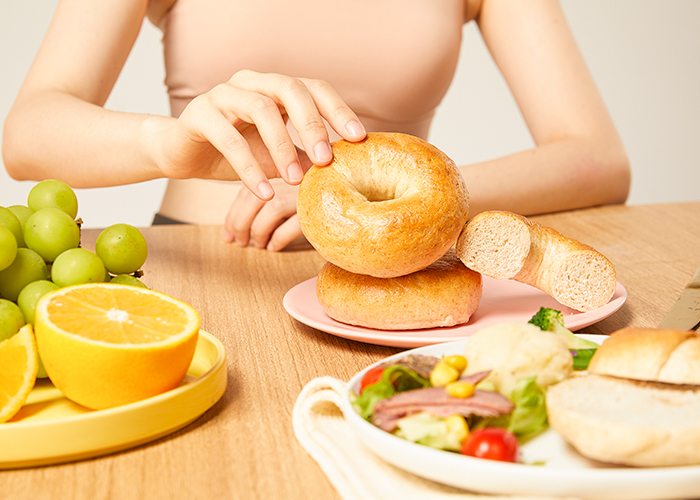
One of the underutilized commercial advantages of the stuffed bagel format is its ability to cover multiple meal occasions with a single SKU category. A savory stuffed bagel filled with egg, cheese, and cured meat positions naturally as a breakfast item; the same bagel format with a sweet cream or nut-based filling transitions to a mid-morning or afternoon snack. For bakery operators and café chains looking to increase revenue per square meter without expanding kitchen equipment, frozen stuffed bagels from a reliable manufacturer reduce prep time significantly compared to made-from-scratch alternatives. As a Convenient meal format, stuffed bagels also align with the growing consumer preference for handheld, single-serve foods that require no utensils and minimal packaging. Goobagel Food supplies products across retail, foodservice, café chains, and tea brands in China, supporting operators in tailoring their menus with both classic and innovative bagel varieties that meet specific daypart needs.
Clean-Label Formulation Challenges Specific to Stuffed Frozen Bagels
Removing artificial preservatives and stabilizers from a frozen stuffed bakery product is significantly more complex than in ambient products because the filling must maintain its sensory and structural integrity across freeze-thaw cycles. Common clean-label challenges in stuffed bagel production include:
- Filling migration: Without synthetic emulsifiers, fat-based fillings such as peanut butter or cheese spreads can migrate into the dough during storage, altering texture and flavor balance. Managing this requires both formula adjustments and optimized blast-freezing parameters.
- Water activity control: Fruit or custard fillings have higher water activity than the surrounding dough, which can accelerate staling and compromise the bagel's chewy crust if not properly managed through ingredient selection — for example, using natural humectants like trehalose instead of synthetic glycerin-based alternatives.
- Leavening system balance: Clean-label doughs often require reformulating the leavening system to remove certain chemical dough conditioners. For bagels, which rely more on yeast fermentation and boiling than on chemical leavening, this is more manageable than for other frozen bakery categories — but it still demands careful yeast strain selection and fermentation time calibration.
- Color stability in fillings: Natural colorants from fruit or vegetable sources can shift color under heat or pH changes during baking. This affects the visual appeal of the Surprise inside effect, which is particularly important for products targeting visually driven channels like tea brands and lifestyle café chains.
Jiangsu Goobagel Food Technology Co., Ltd. has built its product portfolio around clean-label principles since the company's founding, investing in R&D capabilities that allow it to address these technical constraints without compromising on ingredient transparency — a requirement that has become a baseline expectation among China's leading brand partners.
Evaluating Frozen Bagel Quality: Key Parameters Buyers Should Test Before Signing Supply Agreements
Before committing to a supply agreement with any Classic Bagel Manufacturers or OEM partner, commercial buyers should establish a structured evaluation framework. Visual inspection and taste testing alone are insufficient — the following parameters require controlled testing:
Texture Consistency Across Batches
Request samples from at least three separate production runs and test for crust hardness, crumb chewiness, and seam integrity on stuffed variants. Batch-to-batch inconsistency is one of the most common failure points in frozen bakery supply, especially when a factory relies on external ingredient sources with variable flour protein content.
Freeze-Thaw Cycle Performance
Subject samples to two to three freeze-thaw cycles simulating real-world cold chain disruptions — common in last-mile delivery in China — and evaluate whether the stuffed bagel maintains its shape, filling position, and eating quality. A well-designed Custom Classic Bagel from a vertically integrated manufacturer like Goobagel Food should show minimal quality degradation across these cycles.
Reheat Method Compatibility
Different end users will use different reheating equipment. Test the bagel across microwave, toaster oven, steam oven, and air fryer settings to ensure the product instructions provided are accurate and that the crust and filling behave predictably. Misaligned reheat instructions are a frequent source of consumer complaints that damage brand reputation rather than manufacturing quality.

 中文简体
中文简体
 English