What Separates a Real Bagel from a Bread Roll with a Hole
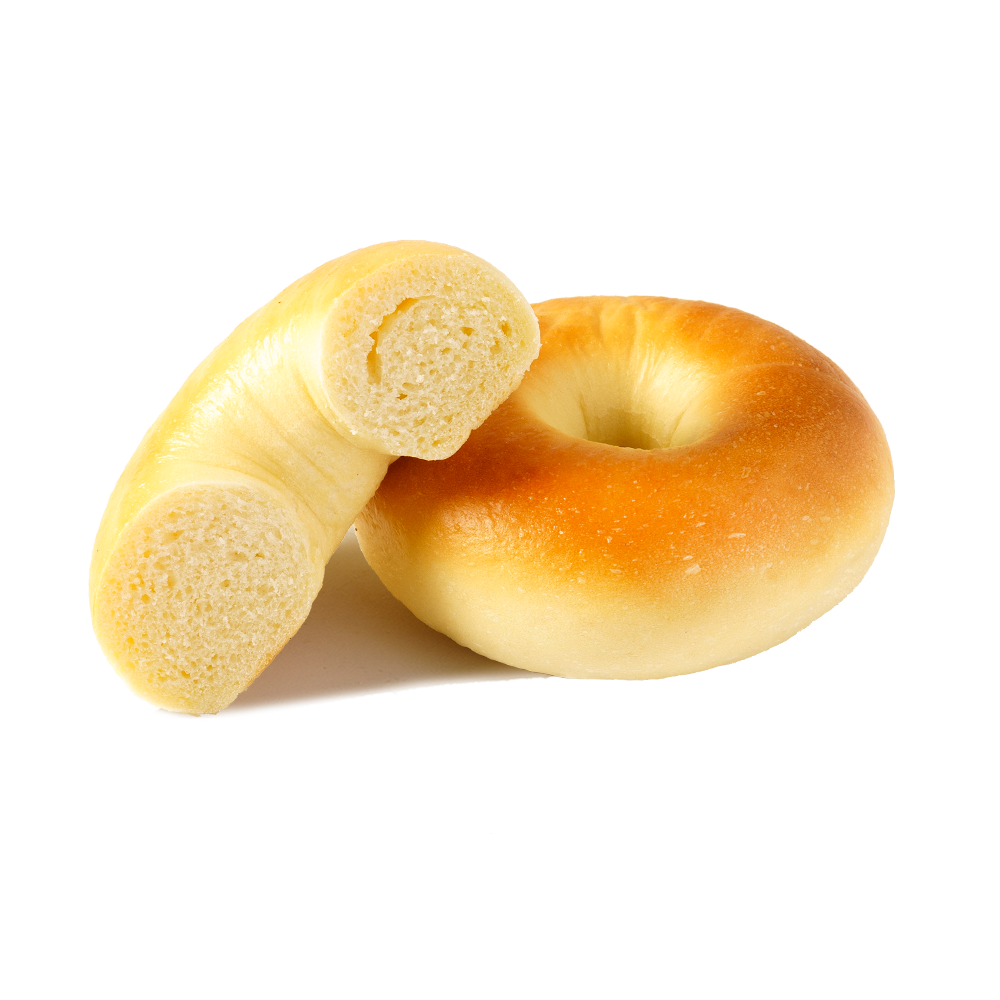
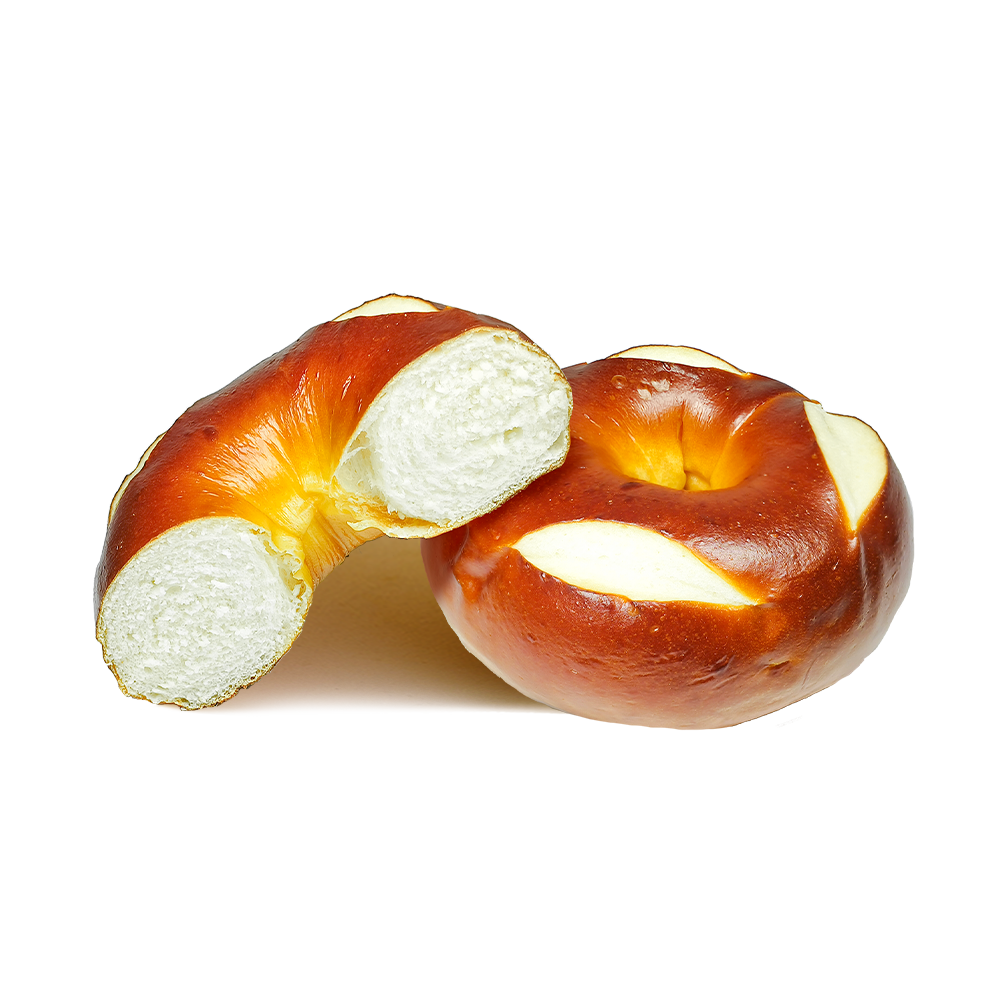
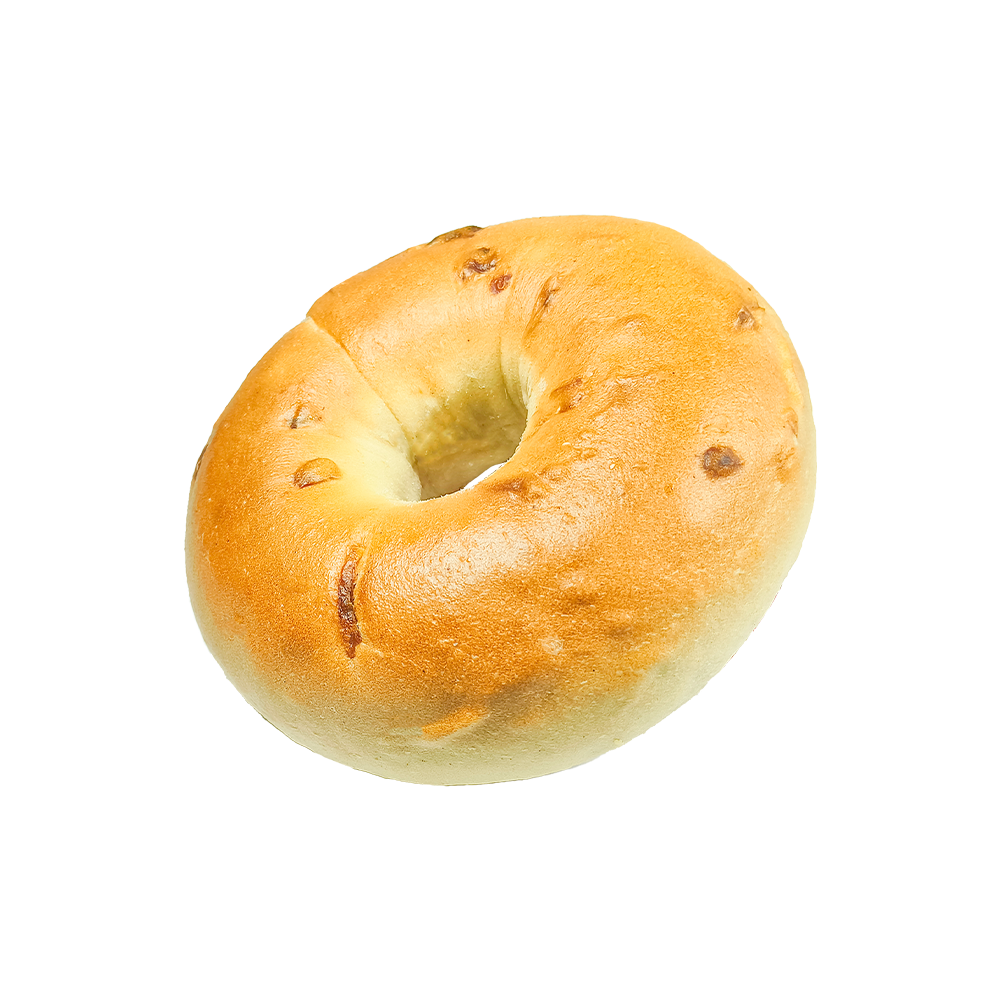
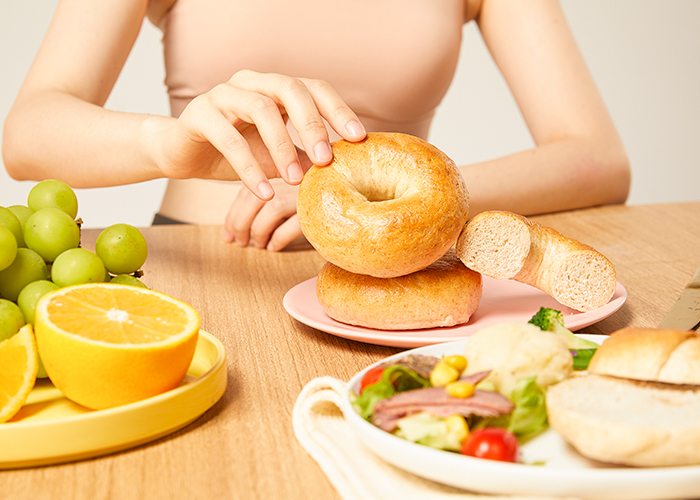
The structural difference between a bagel and any other round bread comes down to a single manufacturing step that most industrial bakers have quietly dropped: the kettle boil. Before a shaped bagel dough ring ever enters an oven, it must be submerged briefly in boiling water — often with a small amount of baking soda, lye, or malt syrup added to the bath. That boil gelatinizes the outer starch layer, setting a pre-formed crust before baking even begins. The result is the shiny, slightly chewy exterior that no steam-injected or baked-only process can fully replicate. The interior, sealed by that outer shell, retains moisture during baking and develops the dense, elastic crumb structure that distinguishes authentic texture from the soft, bready result that most consumers of fake bagels have learned to accept as normal. Frozen Bagels Suppliers who maintain the full boil-and-bake sequence are preserving a technical standard, not a tradition — and buyers who source at scale can detect the difference in texture consistency across every unit in a pallet.
How Frozen Format Changes the Commercial Equation for Bagel Buyers
The shift to frozen isn't a concession to convenience — for most commercial buyers, it's a quality and logistics decision. A fresh bagel stales within four to six hours of baking; a properly frozen bagel, maintained at −18°C, retains its texture and flavor profile for months without preservatives. For café chains, hotel breakfast programs, and foodservice distributors operating across multiple cities or across borders, fresh supply is simply not a viable model. Frozen allows centralized production, consistent specifications across all units, and no dependency on local bakery availability or baker skill level. Over 90% of foodservice operators globally now use frozen bakery products according to industry data — not because fresh is unavailable, but because frozen solves the consistency problem that fresh cannot. The key specification to evaluate when sourcing frozen bagels is how the product was frozen: slow freezing in ambient cold rooms produces large ice crystals that damage crumb structure; individual quick freezing (IQF) or blast-chilling immediately after baking locks texture at peak quality. Buyers sourcing from a Bagel Factory that uses blast-freeze tunnels immediately post-bake receive a product that thaws and toasts as if it just left the oven.
The Practical Scope of Customization Bagel Programs in B2B Sourcing
When commercial buyers talk about Customization Bagel programs, the conversation often stays at the surface — flavor choice, size, and packaging. The actual scope of what a capable manufacturer can adjust goes considerably deeper. Jiangsu Goobagel Food Technology Co., Ltd., which has specialized in bagel research and manufacturing since 2019, structures customization across five distinct dimensions that procurement teams should evaluate systematically before finalizing a supplier:
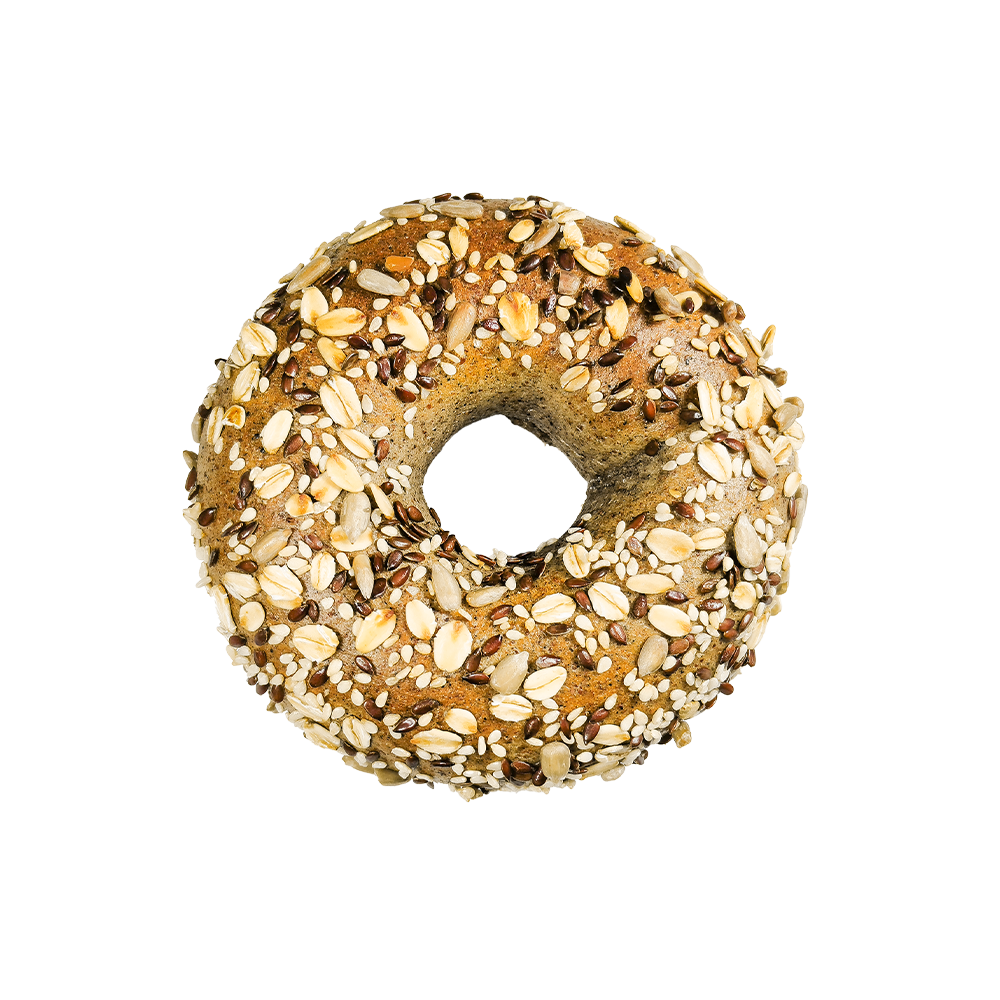
- Formulation: Ingredient substitutions for dietary positioning — whole grain, multigrain, high-fiber, reduced-sugar, or clean-label specifications with shorter ingredient declarations. Each change affects water absorption, fermentation behavior, and final texture and must be validated in production conditions, not just in a test kitchen.
- Format and size: Weight per unit (from mini 45g formats to sandwich-scale 120g+), pre-sliced versus whole, sliced depth specification, and ring diameter all affect end-use performance. A café using bagels as sandwich bases has different dimensional requirements than a retail pack destined for home toasting.
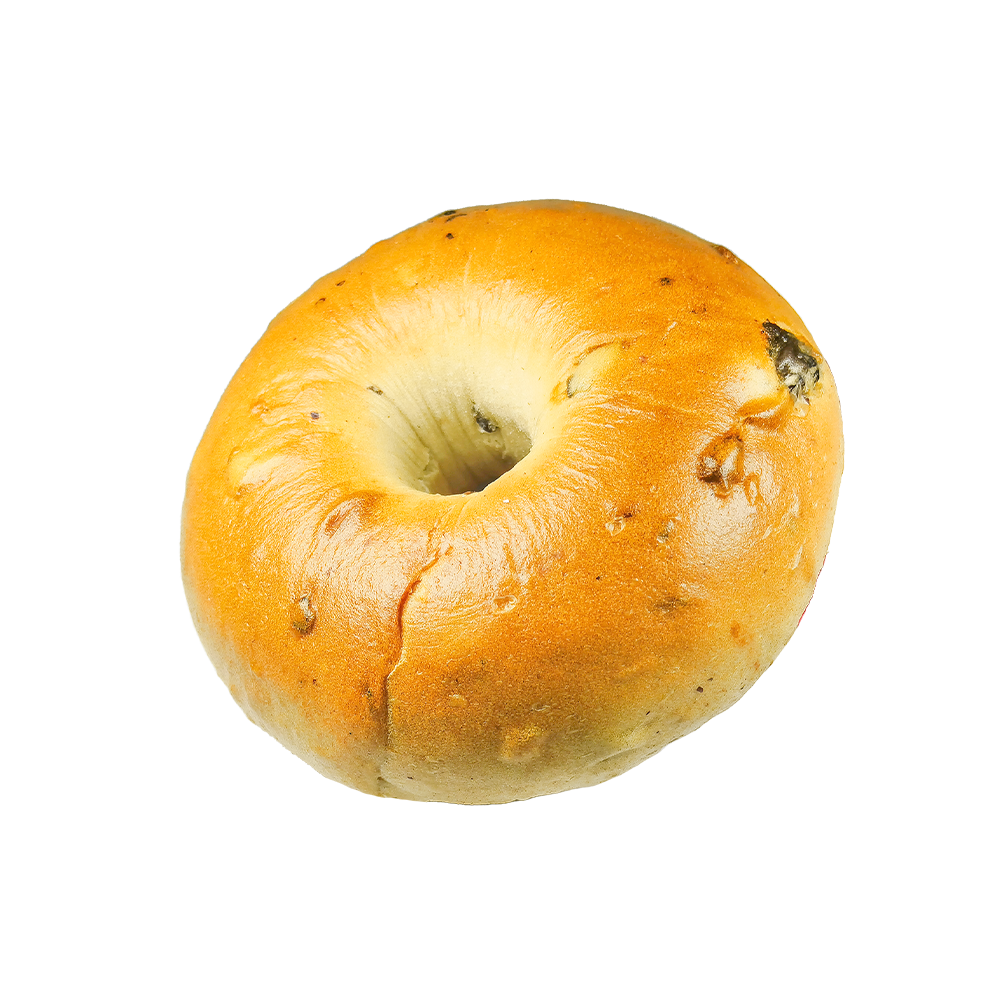
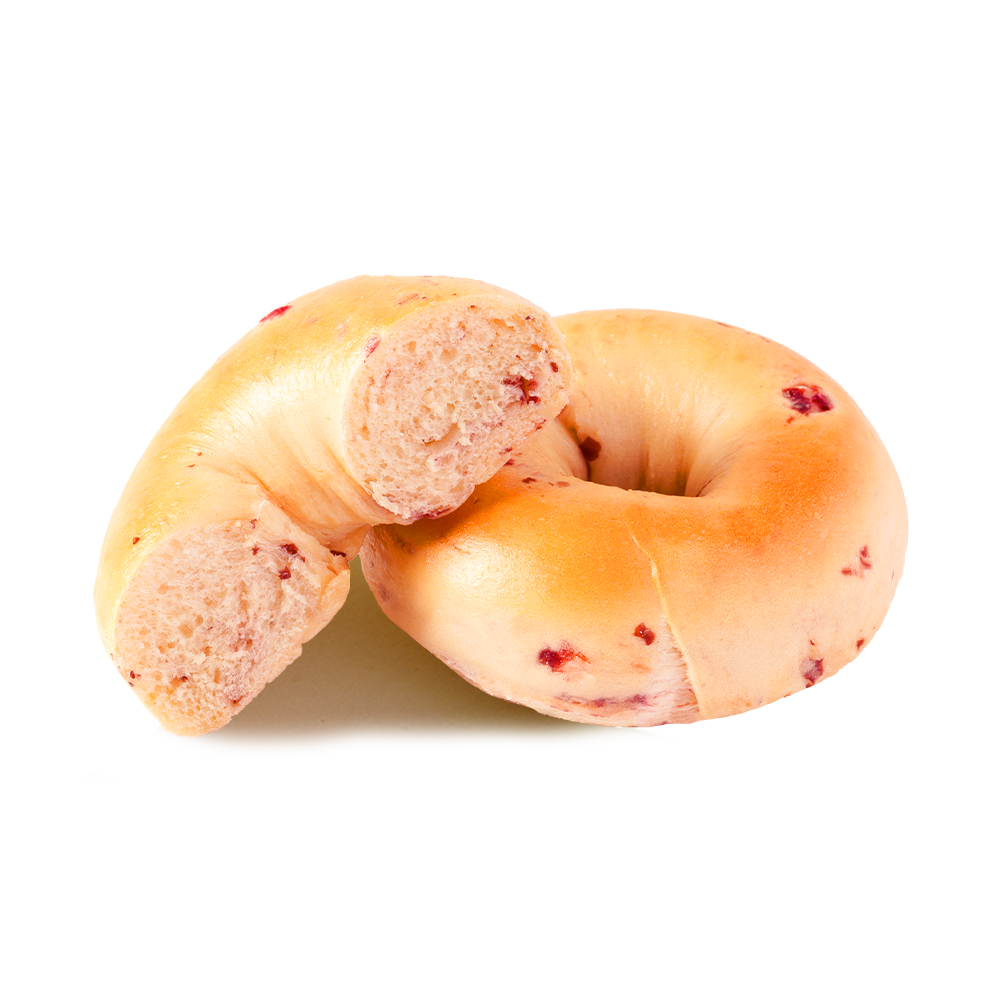
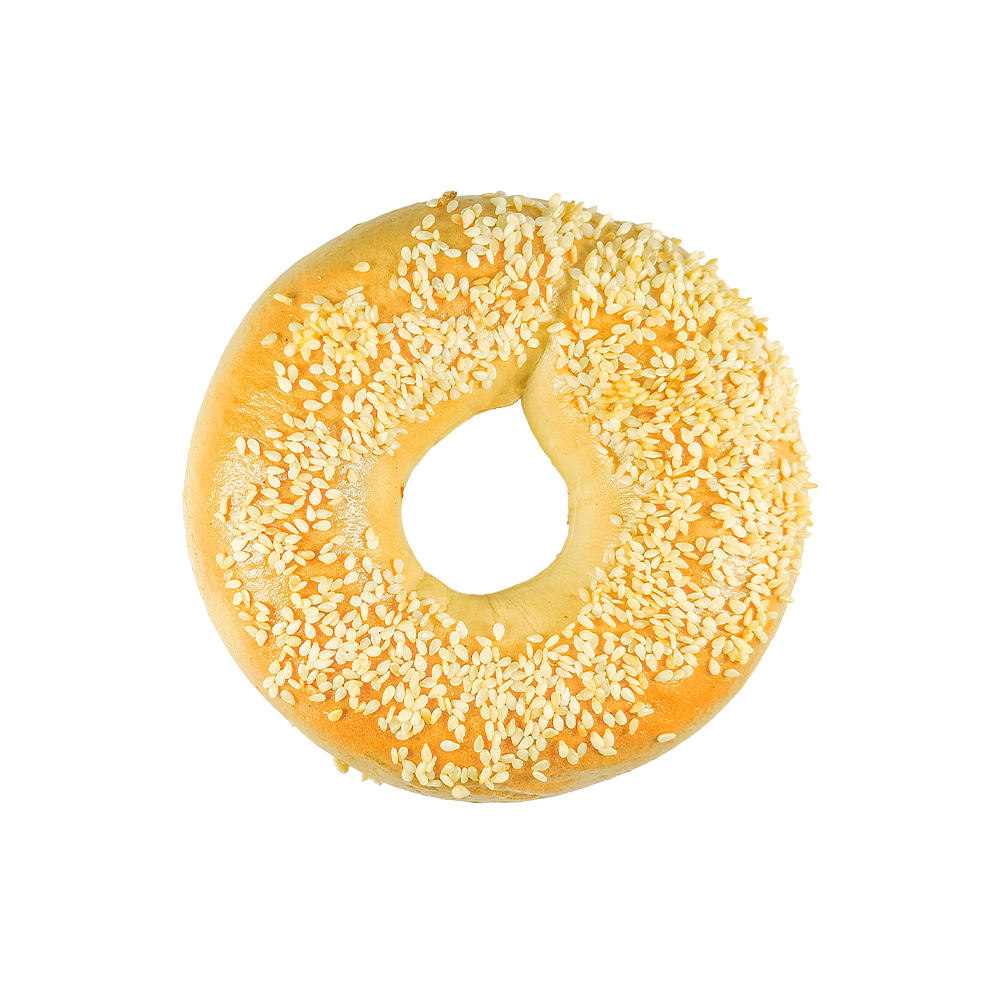
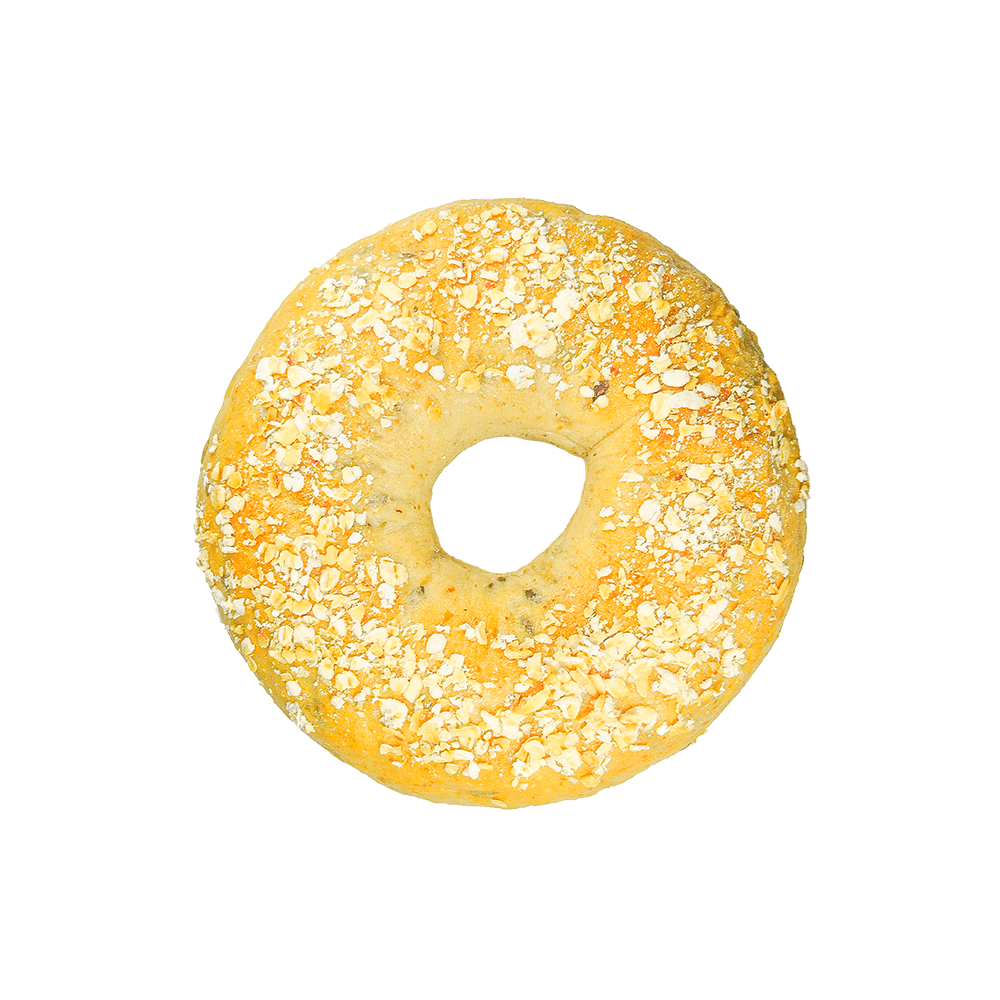
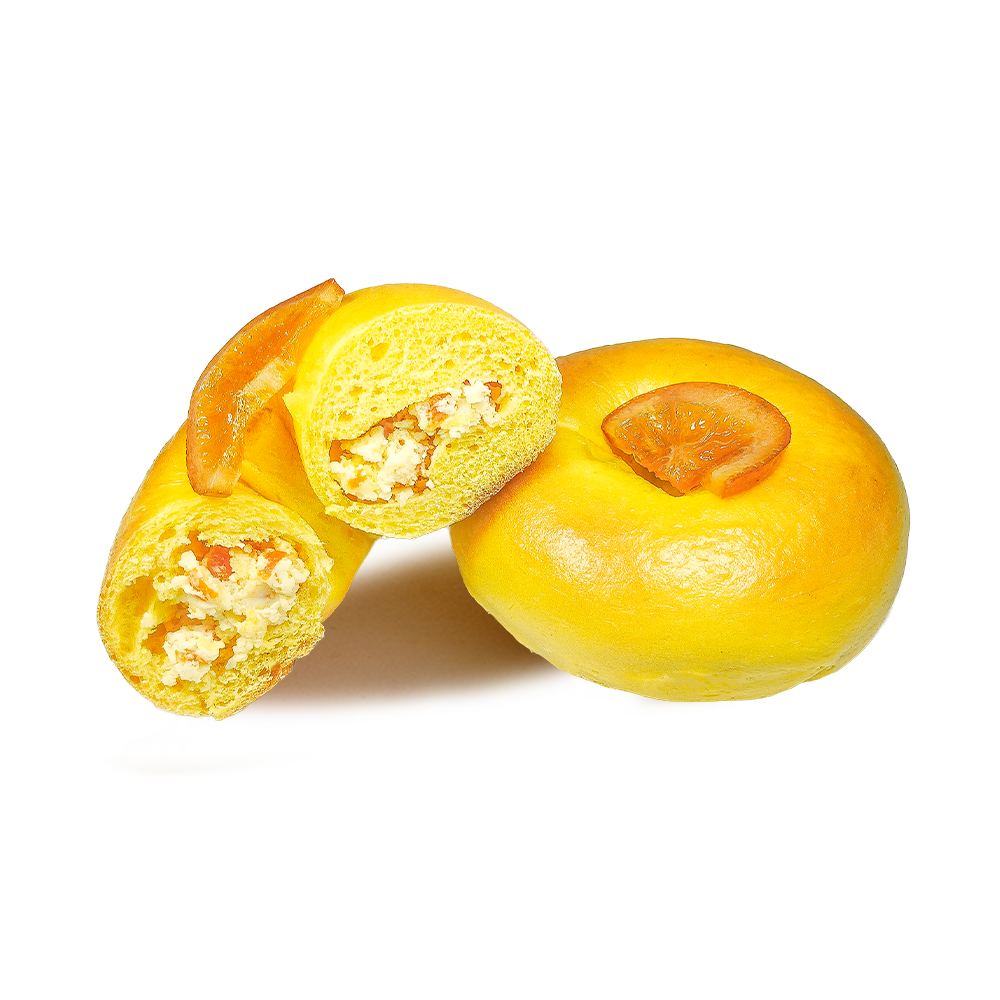
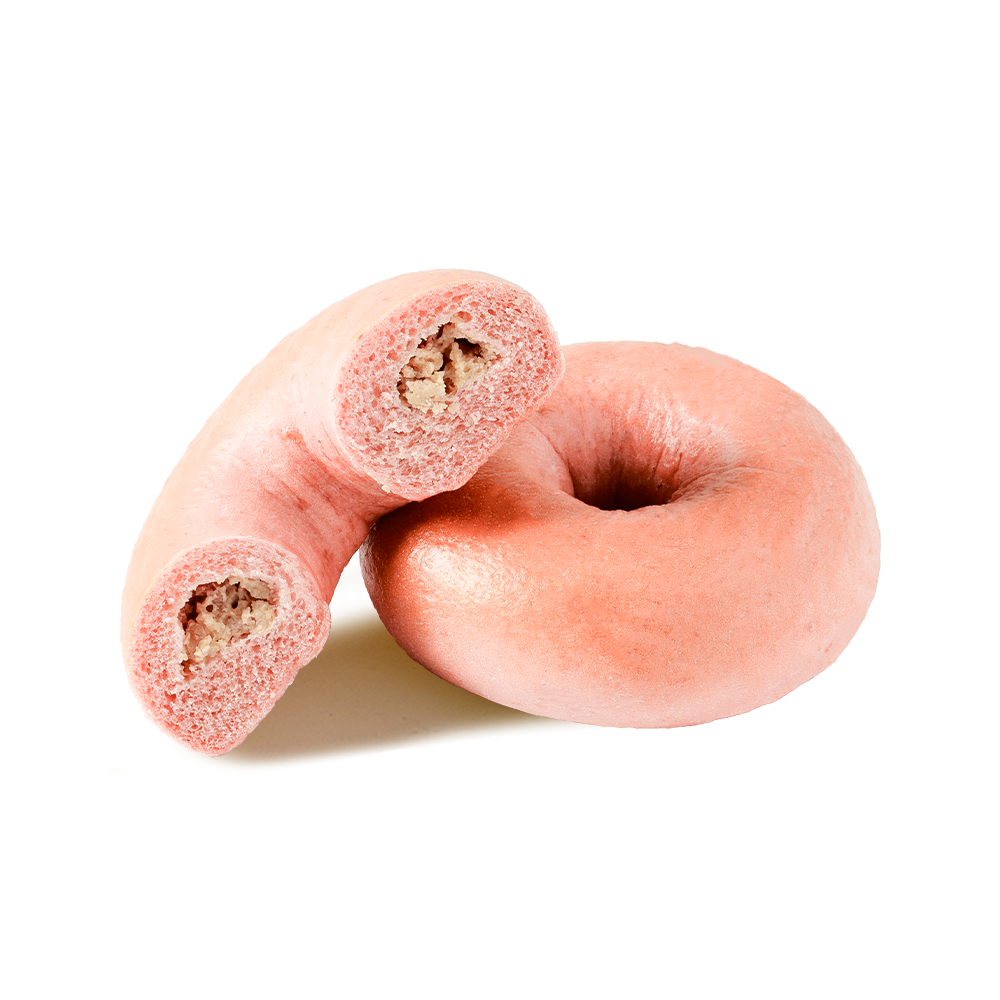
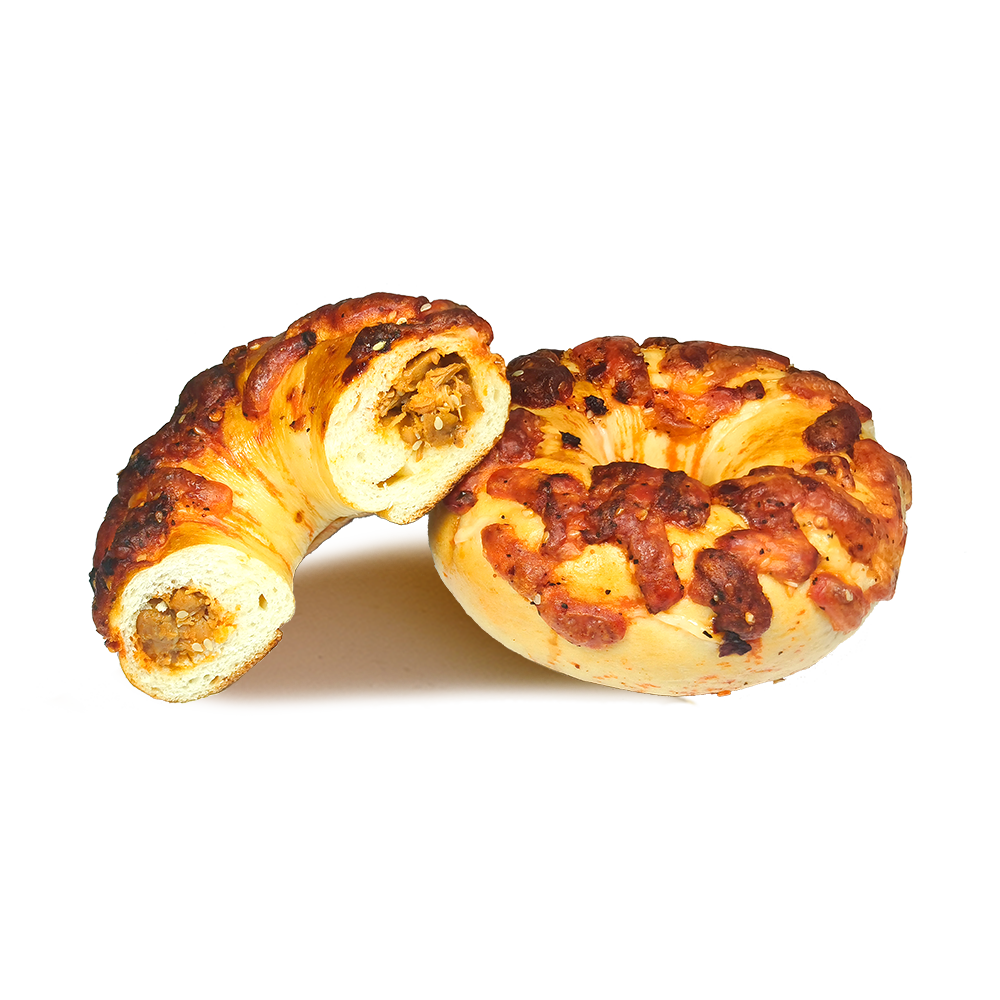
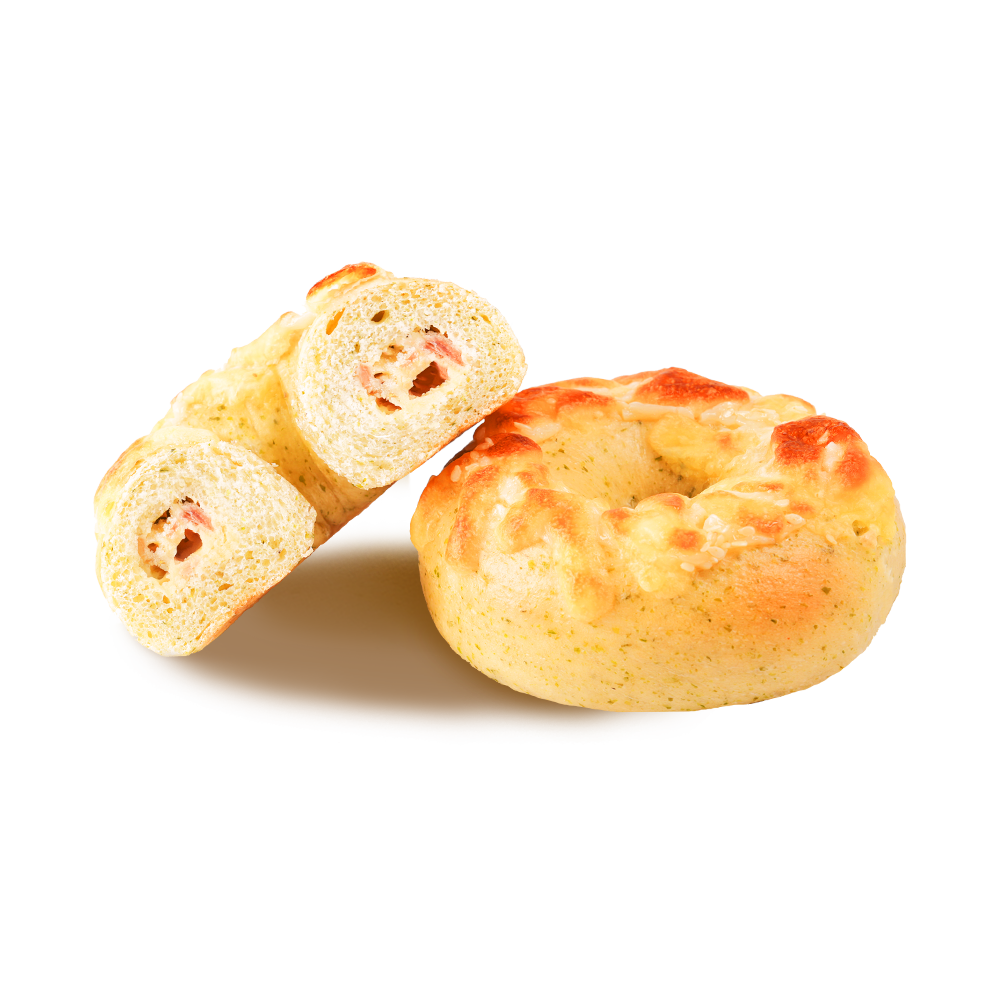
- Topping and filling: Surface seeds (sesame, poppy, everything blend), flavored dough (cinnamon, blueberry, matcha, cheese), or stuffed fillings (cream cheese, meat, fruit) each require different production line configurations and holding time parameters before freezing.
- Packaging: Private label artwork, poly bag vs. paperboard box, individual flow-wrap, or bulk foodservice case packing. Inner atmosphere (modified atmosphere packaging vs. standard) affects freezer life and thaw-time quality.
- Minimum order and lead time: Customized SKUs typically carry higher MOQs than standard lines because flavor changeovers, topping setups, and packaging changeovers consume production time. Understanding the MOQ structure per SKU — not just per order — is essential for planning.
With 100+ clean-label bagel varieties already in active production, Goobagel has resolved most of the formulation variables that slow down customization cycles. New flavor or format development can draw from existing validated bases rather than starting from scratch, which meaningfully compresses the timeline from specification to first production run.
Reading a Frozen Bagel Supplier's Capability — Beyond Certifications
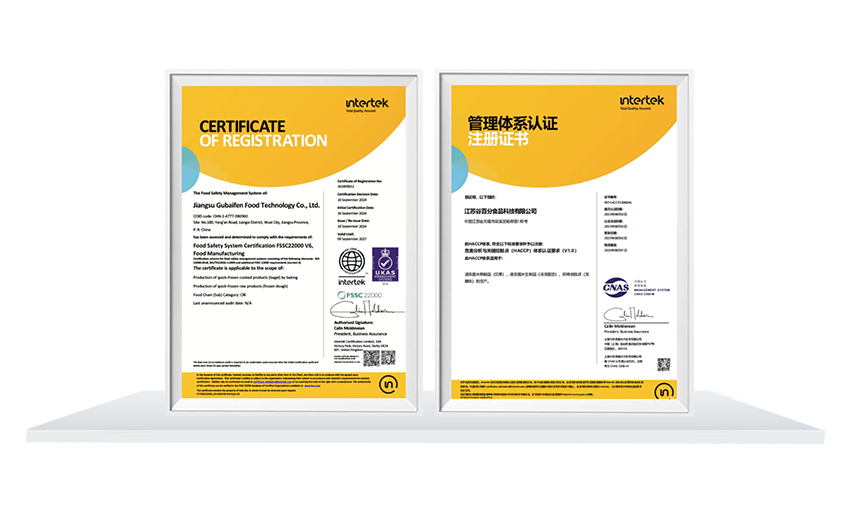
Food safety certifications (HACCP, ISO 22000, BRC, SQF) are entry-level qualifications, not differentiators. A supplier who holds these certifications has met a documented minimum — it says little about production consistency, R&D depth, or supply chain resilience under volume pressure. The questions that separate capable Frozen Bagels Suppliers from compliant-but-ordinary ones are operational and structural:
| Evaluation Area |
Surface-Level Signal |
Deeper Question to Ask |
| Raw material sourcing |
Uses "high-quality flour" |
Do they control the flour specification, or buy on open market? Is the supply chain integrated or third-party dependent? |
| R&D capability |
Claims innovation |
How many validated SKUs exist already? Can they show development timelines from spec to approved sample? |
| Production consistency |
Has automated line |
What is the weight variance tolerance per unit? How is it controlled between shifts? |
| Cold-chain integrity |
Mentions cold storage |
Is blast freezing in-house or outsourced? What is the temperature log protocol from production to container loading? |
| Scale and lead time |
States annual capacity |
What is the realistic lead time for a custom SKU vs. a standard line? How are peak-season order surges handled? |
Goobagel operates a fully integrated supply chain — raw materials, R&D, production, and nationwide distribution — which means answers to the above questions are grounded in internal processes rather than subcontractor performance. That integration is a structural advantage when buyers need accountability at every point in the chain, not just at the factory gate.
Why the Chinese Bagel Factory Model Is Gaining Traction in Global Procurement
Ten years ago, sourcing bagels from China for international markets was a niche consideration. Today it is a serious procurement option for distributors across Southeast Asia, the Middle East, and increasingly Europe, for reasons that have more to do with capability than cost. China's frozen bakery manufacturing sector has invested heavily since the mid-2010s in Western bakery techniques, ingredient standards, and food safety systems that meet or exceed import requirements in most target markets. The result is a cohort of Bagel Factory operations that can produce to international flavor profiles, hold tight weight tolerances, maintain cold-chain documentation to EU or FDA audit standards, and deliver consistent quality across large volumes — at price points that make private label programs viable for distributors who could not previously afford the margins of sourcing from North America or Western Europe.
Jiangsu Goobagel Food Technology Co., Ltd. represents this model specifically: founded in 2019 with a focus on bagel research from day one, the company has built its product development and production systems around the requirements of modern commercial buyers — clean-label formulation, flexible customization, and reliable export logistics — rather than adapting a general bakery operation to bagel production after the fact. Working closely with leading brands across China has also built the operational discipline to deliver consistently at retail-chain scale, which is a prerequisite for international buyers considering volume programs.
Clean Label in Bakery: What It Actually Requires at the Production Level
Clean label has moved from a marketing claim to a procurement requirement. More than 52% of consumers globally preferred bakery items with natural ingredients and preservative-free formulations in 2025, according to industry research — and that preference now flows directly into retailer specifications and foodservice purchasing standards. But meeting a clean-label standard in bagel production is not simply a matter of removing certain additives from a formula. It requires rethinking several technical dependencies that most conventional bakers have built around those additives:
- Dough conditioners and emulsifiers are routinely used to extend shelf life, improve machinability, and standardize crumb texture across ingredient batches. Removing them means tighter control of flour protein content, fermentation time, and hydration — variables that require more precise process management, not just a different ingredient list.
- Preservatives in baked goods typically address mold risk during ambient distribution. In frozen-format products like those produced by Jiangsu Goobagel Food Technology Co., Ltd., preservatives are unnecessary because the cold chain is the preservation mechanism — but only if blast-freeze protocols are executed correctly and cold-chain integrity is maintained through distribution.
- Artificial flavors and colors in flavored varieties (blueberry, cinnamon, everything) must be replaced with real fruit pieces, natural spice blends, or vegetable-based colors — each of which introduces moisture content variability and requires reformulation of the base dough hydration to compensate.
The practical implication for buyers is that a clean-label claim from a supplier should be backed by the ingredient declaration, not just asserted in marketing materials. The shortest ingredient lists — flour, water, yeast, malt syrup in a plain bagel — are also the most defensible and the easiest to verify. For flavored or seeded variants, asking for the full ingredient declaration at specification stage is the only reliable way to confirm that "clean label" in the supplier's usage means the same thing as it does in the buyer's retail or foodservice context.
Matching Bagel Formats to Commercial Channel Requirements
Not every buyer needs the same bagel, and choosing the wrong format for a channel creates operational problems that price and flavor cannot fix. The table below maps the most common commercial channels to the format specifications that actually serve them best — based on end-use requirements rather than general preference.
| Channel |
Recommended Format |
Key Spec Priority |
Common Mistake |
| Retail grocery |
Pre-sliced, poly-bagged, 4–6 pack |
Consistent weight per unit, clean label, shelf appeal |
Ordering foodservice bulk packs that are hard to merchandise |
| Café chains |
Whole, unsliced, ~90–110g, case-packed |
Consistent diameter for sandwich assembly, neutral flavor base |
Pre-sliced depth too shallow for sandwich fills |
| Tea / bubble tea brands |
Mini bagels 45–60g, distinctive flavor or topping |
Visual differentiation, Instagram-friendly appearance |
Standard plain format that doesn't match brand aesthetic |
| Hotel / catering |
Pre-sliced, mixed variety case, 80–100g |
Thaw-to-serve performance, variety across one SKU |
Single flavor that limits breakfast buffet variety |
| Bakery operators (private label) |
Custom size + brand packaging, full or par-baked |
MOQ flexibility, label artwork turnaround, exclusivity option |
Choosing a supplier without in-house packaging capability |
Goobagel's product development team, built since 2019 with a focus specifically on bagel R&D, is structured to support format discussions at the specification stage — not after production has started. Buyers who engage early in the specification process consistently achieve better unit economics and faster time-to-market than those who attempt to retrofit a standard SKU to their channel's real requirements.

 中文简体
中文简体
 English