
 中文简体
中文简体
 English

postmaster@goobagelfood.com
Content
- 1 Why bakery quality control matters beyond compliance
- 2 Core control points in a modern frozen bakery
- 3 Comparing quality control across delivery formats
- 4 Hidden indicators that drive texture and shelf life
- 5 Quality control focus by end-use channel
- 6 A practical supplier evaluation checklist for frozen bagels
- 7 Maintenance, compliance, and clean-label considerations
On a busy morning, a quality control manager at a coffee chain opens a carton of frozen par-baked bagels and sees that about a third of them have a dull surface and slightly collapsed rings. The batch passed its incoming weight check, but the visual standard is clearly off. This situation is more common than it should be, and it usually points to gaps across the whole bakery quality control system rather than to one bad batch.
Bakery quality control for frozen bagels is not a single inspection step. It is a system that spans ingredient verification, process control at the parbake or raw-dough stage, cold-chain monitoring, and final product testing. When a supplier controls these variables, the bagel a customer receives next month should look, feel, and taste like the one they received yesterday.
Core conclusion: For frozen bagel production, quality control is most effective when it is designed around raw material tolerances, water activity management, freezing speed, and cold-chain continuity. Visual inspection alone is not enough.
Why bakery quality control matters beyond compliance
Quality control is often framed as a food-safety obligation, and it is. But in commercial baking, QC is also the department that protects margin and customer trust. A consistent product reduces waste and rework, simplifies shelf-space planning, and gives brand owners confidence when they scale from one outlet to several hundred.
Three business-level reasons make bakery quality control a priority:
- Product consistency protects brand identity. A coffee chain or tea shop does not want to explain why a bagel looks different from store to store.
- Safety and regulatory compliance are non-negotiable. Allergen control, traceability, and environmental monitoring are part of the cost of being in food.
- Waste and error reduction directly affect unit cost. A batch that fails after freezing is far more expensive than a batch that fails at the mixing stage.
The best frozen bakery producers treat QC as part of the supply chain, not as a final filter. That mindset leads to tighter specifications, more reliable processes, and fewer surprises at the receiving dock.
Core control points in a modern frozen bakery
The critical control points in a frozen bakery shift slightly depending on the product form, but the underlying logic remains the same: control the raw material, control the process, control the storage.
Raw material verification
Flour protein content drives gluten development and chew. Fat quality affects mouthfeel and freezer stability. Fruit and cheese fillings introduce water activity and allergen risks, so each inbound lot should have a documented specification, not just a random visual check.
Dough mixing and fermentation
Dough temperature and mix time determine whether the gluten network can survive freezing. Under-mixing leads to weak shaping; over-mixing creates tough skins. A typical dough-out temperature target is 24–26°C, depending on the formulation and ambient conditions.
Kettle boiling and baking
Boiling in a kettle sets the crust and creates the distinctive dense, chewy crumb. Boil time, water pH, and malt content affect crust color and gloss. This is where a kettle-boiled New York-style bagel texture is locked in or lost.
Freezing and packaging
Freezing speed controls ice crystal size. Slow freezing damages the gluten network and encourages drip loss when the bagel is thawed. Core temperature should be pulled to about -18°C within a defined window, and packaging must create a moisture barrier to prevent freezer burn.
Finished product testing
Beyond visual checks, use objective measures: diameter, height, crust color, crumb structure, water activity, and firmness. Sensory testing with trained panels catches issues that a ruler cannot, especially when the product will be reheated in a busy café line.
Comparing quality control across delivery formats
For buyers, one of the first decisions is the delivery format. Each format has a different quality control profile, and a supplier who understands those differences can make the purchasing decision easier.
Format
Typical shelf life
Required skill
Main QC focus
Best fit
Raw dough
6 months at -18°C
Proofing and baking in-house
Yeast viability, gluten strength, dough temperature
Bake-off bakeries, cafés with ovens
Parbaked
3–4 months at -18°C
Final bake only
Crust color, internal moisture, volume stability
Retail outlets, foodservice with rack ovens
Thaw-serve
2–3 months at -18°C
Thaw and serve
Textural firmness, moisture migration, topping adhesion
Coffee chains, grab-and-go counters
Representative shelf-life ranges for illustration; always check the supplier's specification sheet.
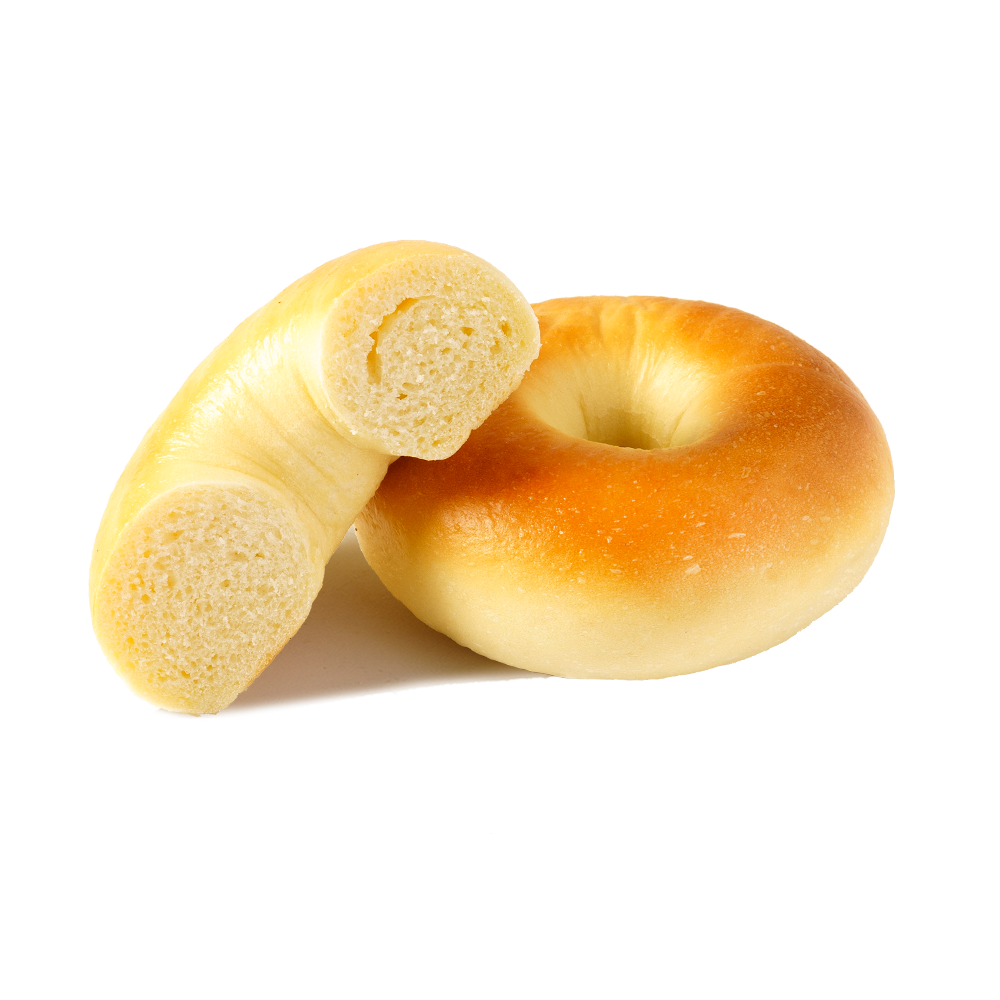
A parbaked product, for example, needs a stable crust during freezing so it can still turn glossy in the final bake. If you are sourcing this format, ask the manufacturer for data on color retention across the intended shelf life. A product like a glossy plain bagel with a brittle crust is a useful reference because the visual standard is easy to audit.
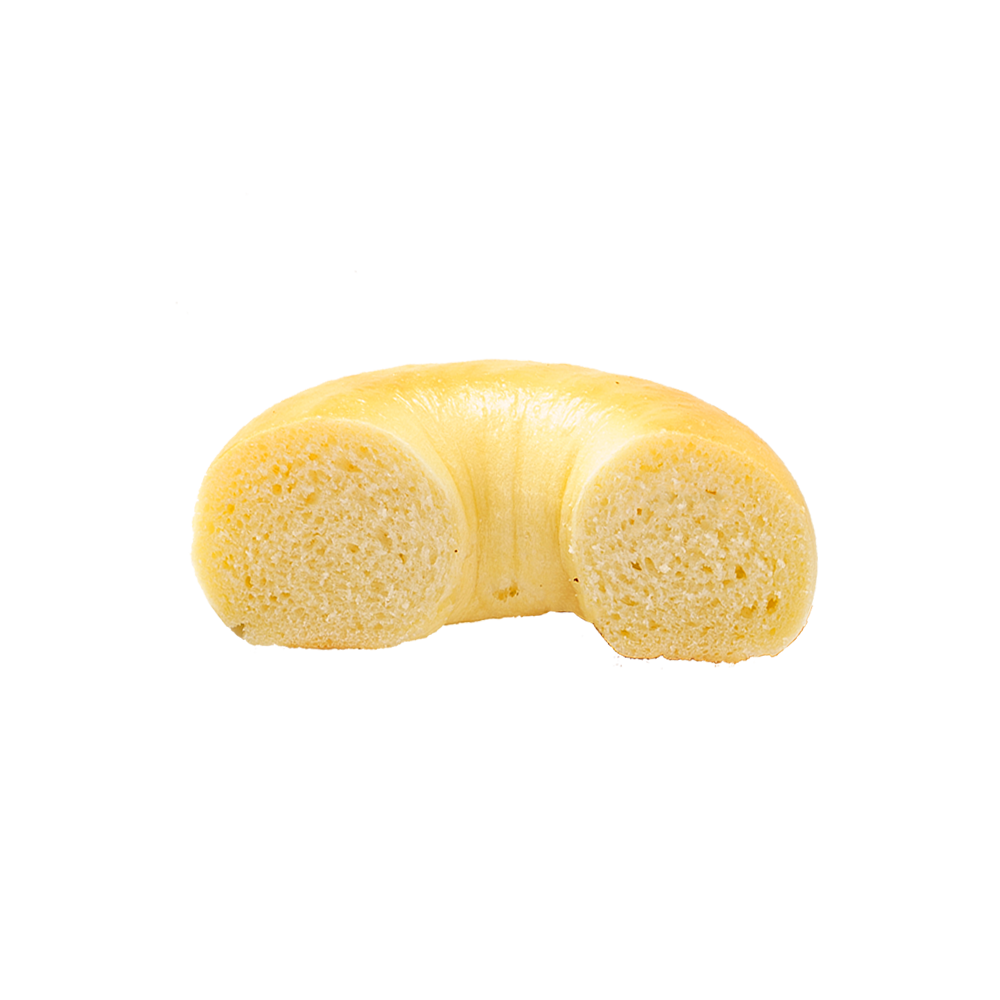 Glossy And Brittle Plain Bagel Suppliers, FactoryGoobagel is Custom Glossy And Brittle Plain Bagel Suppliers, Glossy And Brittle Plain Bagel Factory in China.View Product →
Hidden indicators that drive texture and shelf life
Written specifications usually cover size and weight, but less obvious indicators decide whether the product holds up after months in the freezer.
- Water activity: Controls microbial risk and crispness. A small shift can change the mouthfeel of the crust.
- Starch retrogradation: Causes firming in thaw-serve bagels. It is a natural process, but formulation and freezing speed can slow it down.
- Ice crystal growth: Damages the gluten network in raw dough. Slow freezing or temperature fluctuations make this worse.
You can think of it in a simple index. The chart below illustrates a common pattern, not a specific product claim.
Illustrative relative firmness index of a thaw-serve bagel stored at -18°C. Higher bars indicate firmer crumb.
A thaw-serve bagel is more exposed to starch retrogradation than a parbaked bagel because it has already been fully baked. For raw dough, the bigger risk is ice crystal damage to the gluten network. These mechanisms do not appear in a standard visual inspection, which is why objective measurements matter.
Quality control focus by end-use channel
Different end-use channels put different types of pressure on bakery quality control. The chart below shows how quality priorities are distributed across common frozen bagel channels, based on typical feedback patterns from foodservice and retail buyers.
- Coffee chains — 35%: Visual consistency and fast, even reheating.
- Tea shops — 25%: Flavor stability and filling integrity.
- Retail — 20%: Packaging, shelf life, and repeatable taste.
- Foodservice — 15%: Portion control and batch reliability.
- Others — 5%: Niche or export requirements.
These proportions explain why a supplier cannot rely on one QC protocol for every client. A coffee chain may be willing to trade a slightly thicker crust for a faster bake time, while a retail buyer may prioritize moisture barrier packaging more than any visual attribute.
A practical supplier evaluation checklist for frozen bagels
Before choosing a frozen bagel partner, run a structured evaluation rather than judging from a single sample.
1
Audit the specification sheet. Check protein content, water activity, dimensions, bake loss, and storage conditions. Insist on tolerances, not just averages.
2
Inspect the process line. Look at dough temperature logs, kettle boil times, freezer set points, and sanitation records. A data-driven line can answer questions that a desk-based supplier cannot.
3
Request third-party lab results. Pathogen tests, heavy metal limits, and allergen panels should come from accredited labs. In-house certificates alone are not enough.
4
Run a batch consistency test. Order samples from three different production dates and compare them side by side. A single good sample is marketing; three consistent batches are evidence.
5
Test the cold-chain, not just the product. The best frozen bagel cannot survive a warm truck. Ask about temperature mapping, carrier selection, and contingency plans.
When you set up the sample test, include a plain product and a whole-grain option. If the manufacturer can keep both within tolerance, the QC system is likely solid. For example, a dark whole-wheat multigrain bagel is a useful stress test because whole-grain flours are more variable than refined flour.
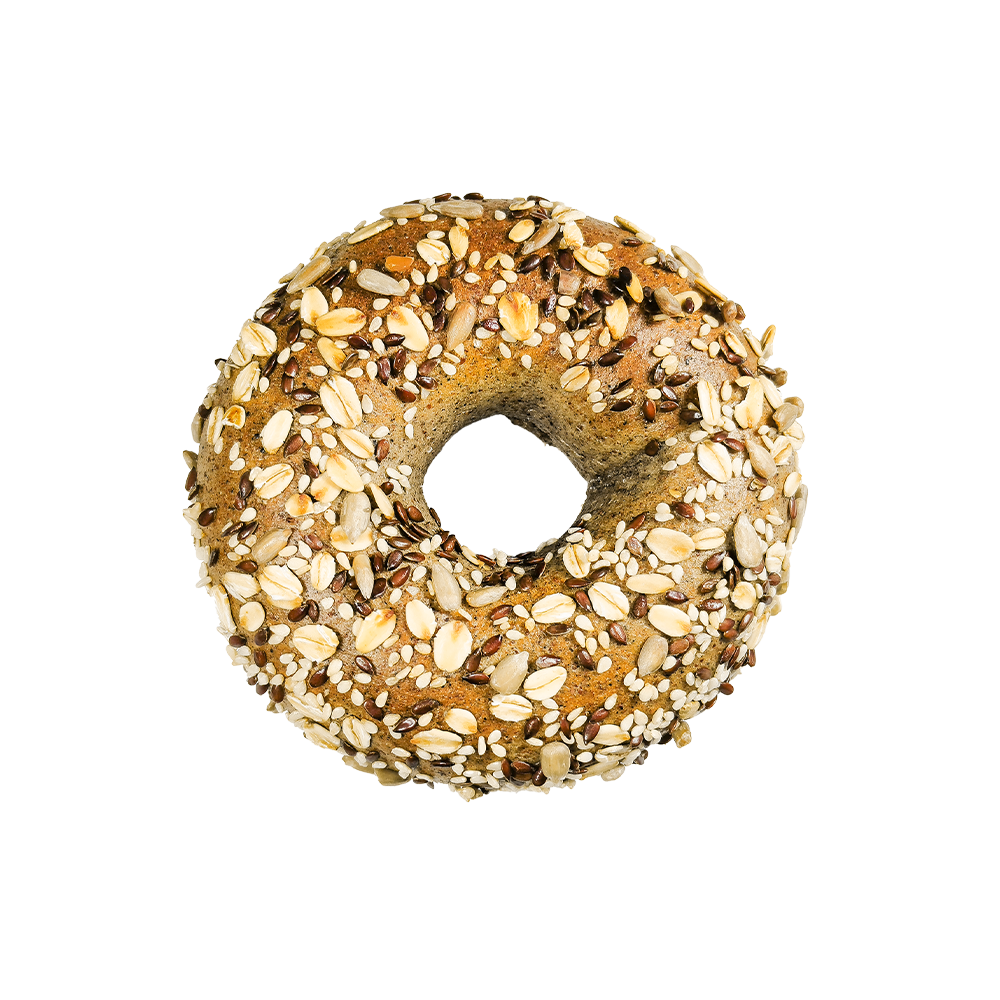 Dietary Nutrition Dark Whole Wheat Multigrain Bagel Manufacturers, Suppliers, WhGoobagel - China Dietary Nutrition Dark Whole Wheat Multigrain Bagel Suppliers and Wholesaler, Custom Dietary Nutrition Dark Whole Wheat ...View Product →
Maintenance, compliance, and clean-label considerations
Quality control does not stop at the factory door. Preventive maintenance on ovens and freezers, allergen segregation, and calibration routines are just as important as final product inspection. A small deviation in freezer temperature can undo what was controlled earlier in the line.
On the compliance side, pay attention to label claims, local food safety requirements, and export standards if the product will cross borders. Cold-chain customization may require additional documentation, especially for export where temperature records and batch traceability are often mandatory.
Clean-label expectations have changed bakery quality control. When a product is formulated without preservatives, the process must be reproducible within tighter windows because the margin for error is thinner. That is why clean-label bagel formulations without preservatives rely so heavily on ingredient sourcing and process control rather than on chemical shortcuts.
A benchmark product such as a low-fat whole-wheat oat-flaxseed bagel demonstrates how a clean-label formula can still deliver consistent texture during frozen storage. It also shows that a supplier can manage complex grains and seeds without sacrificing boil quality or volume.
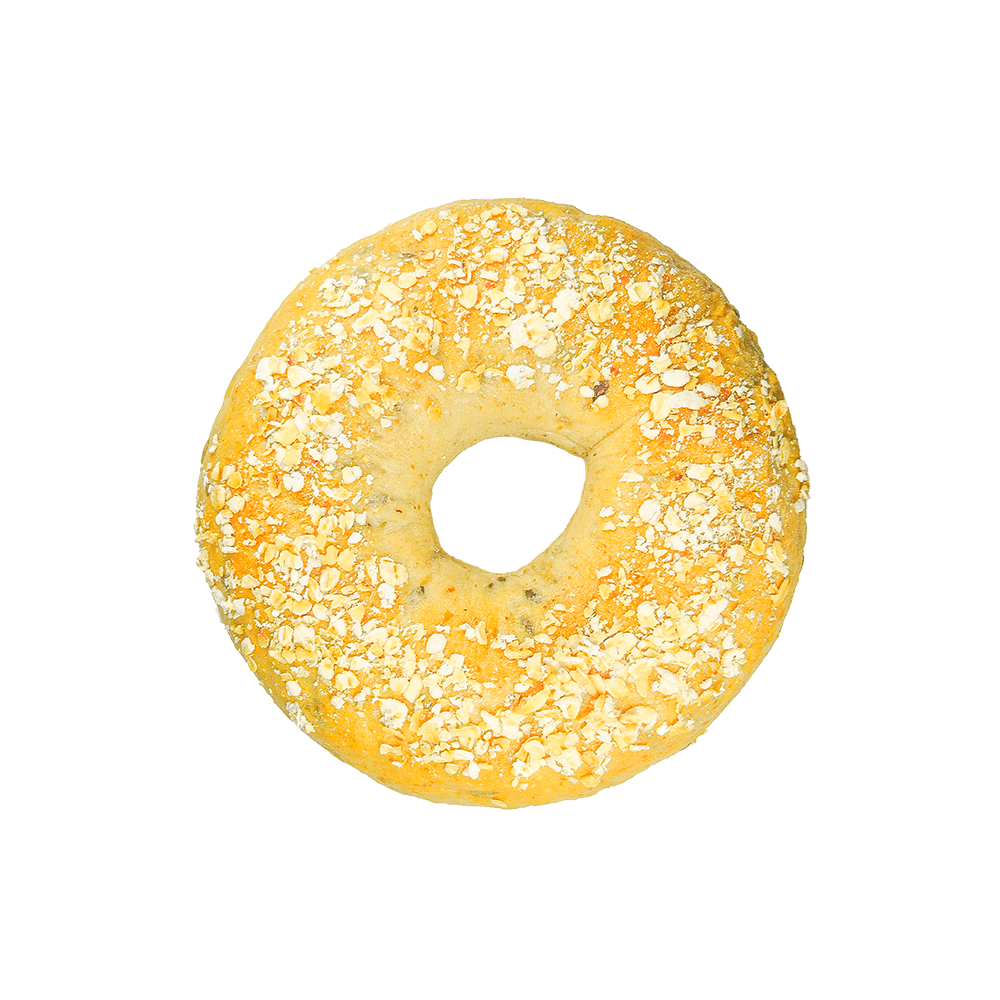 Low Fat Whole Wheat Oat Flaxseed Bagel Manufacturers, Suppliers, Wholesalers - JGoobagel - China Low Fat Whole Wheat Oat Flaxseed Bagel Suppliers and Wholesaler, Custom Low Fat Whole Wheat Oat Flaxseed Bagel Manufactu...View Product →
Bakery quality control is the thread that connects ingredient choice, process design, and the final eating experience. When a supplier treats it as a system, every bagel that leaves the freezer acts more like a consistent product and less like a gamble. The next time you receive a carton of frozen bagels, you no longer need to rely on a single visual check. You can ask the right questions, measure the right indicators, and choose a partner who has answers.
