
 中文简体
中文简体
 English
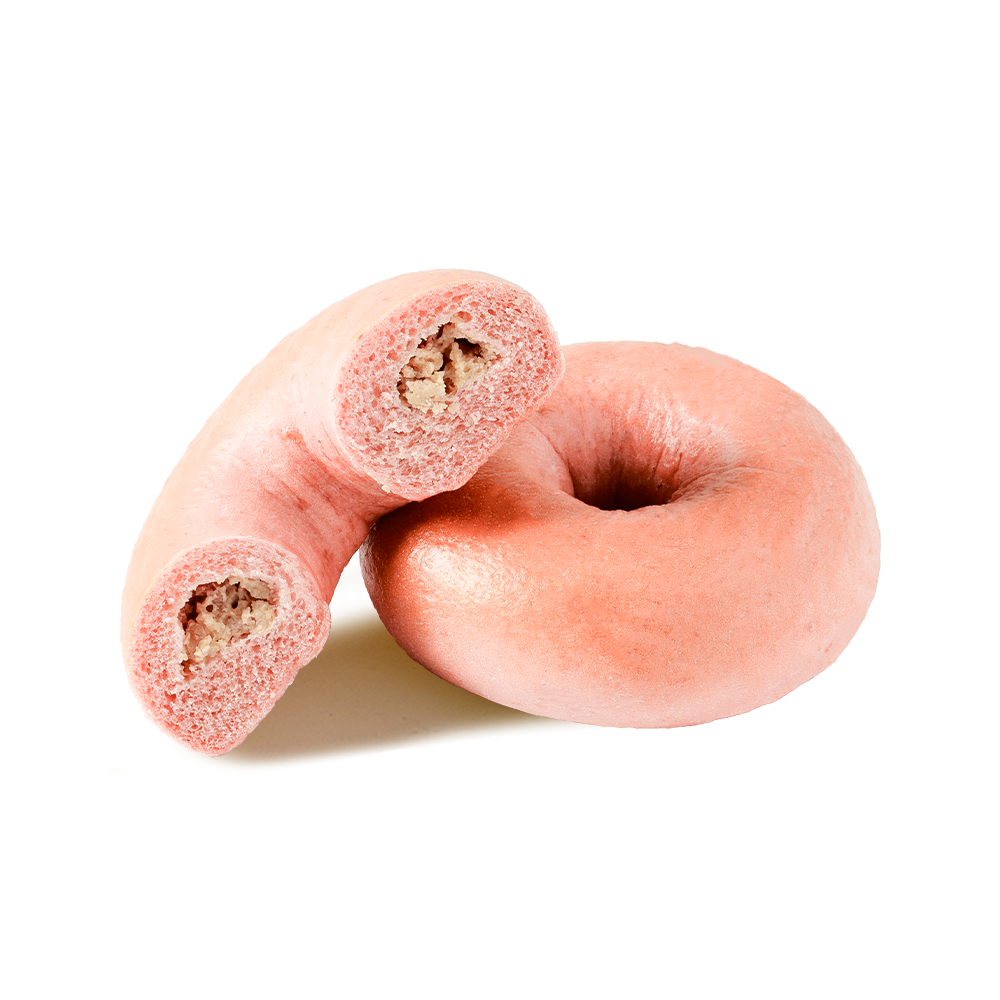
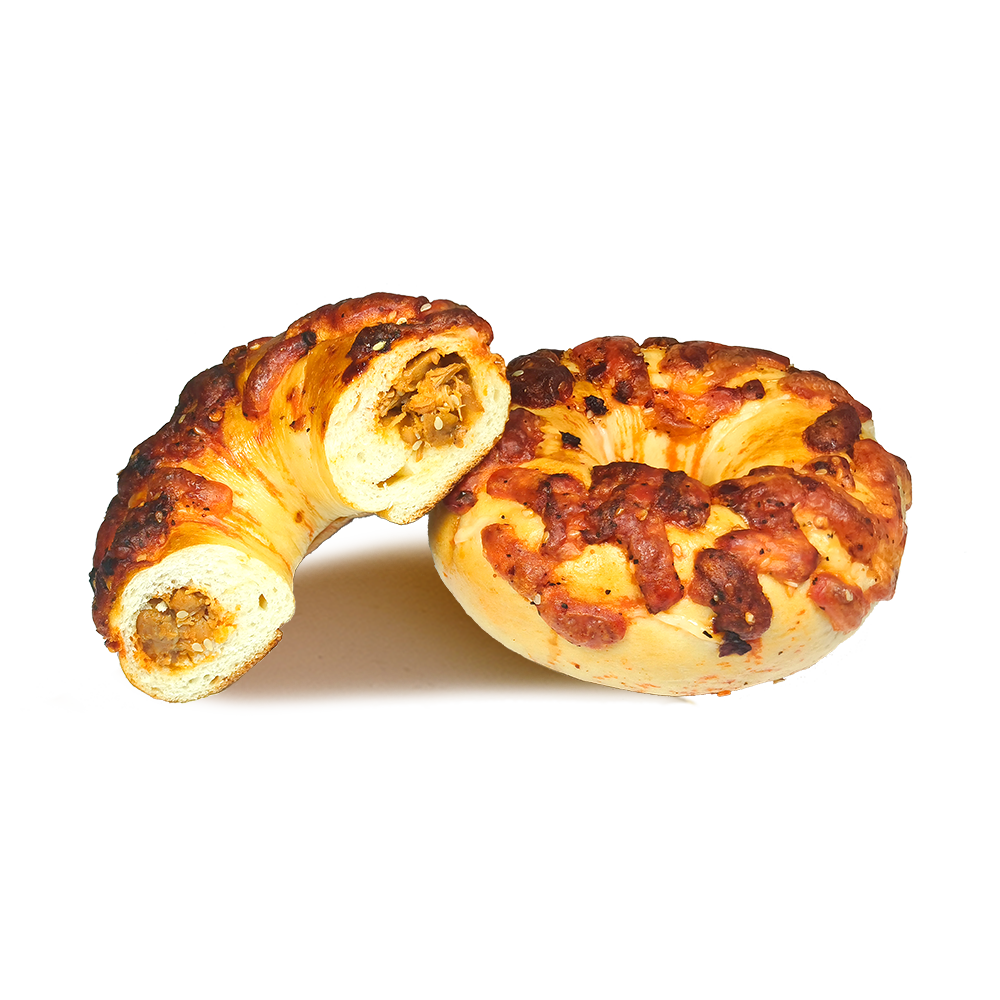
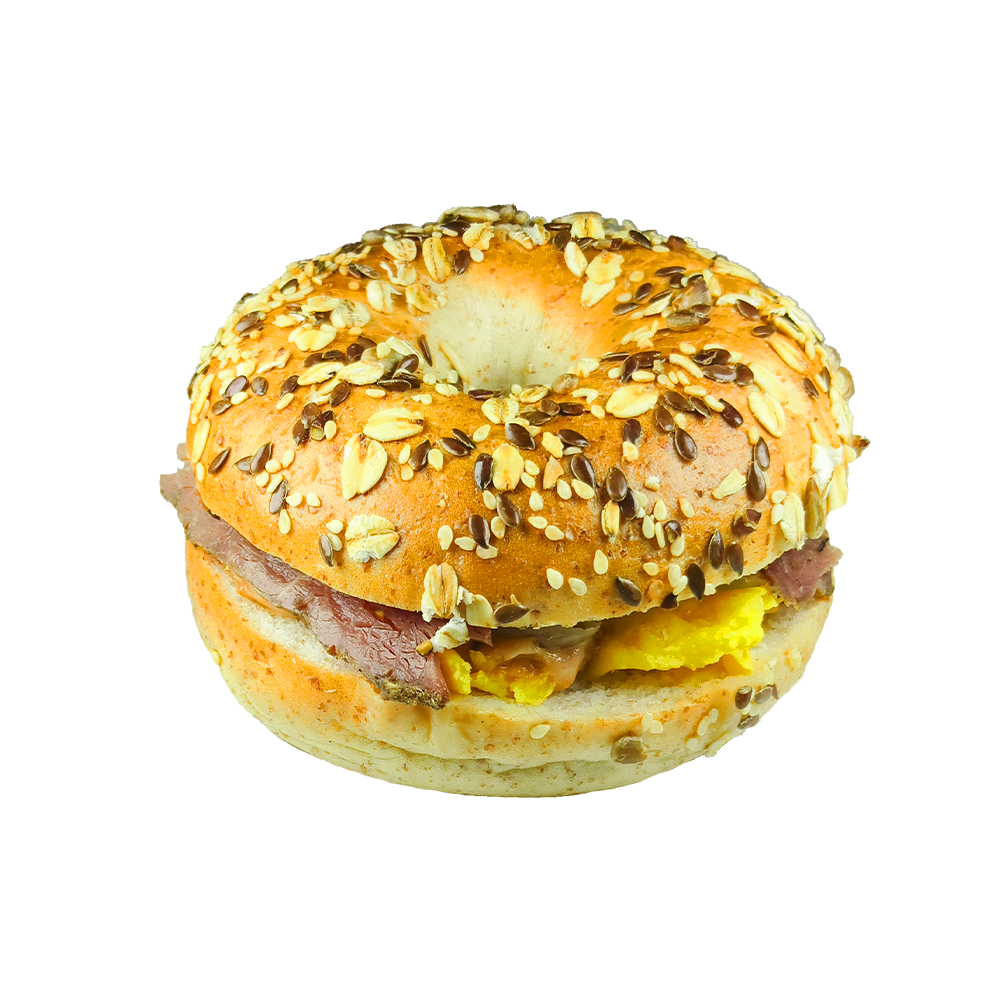
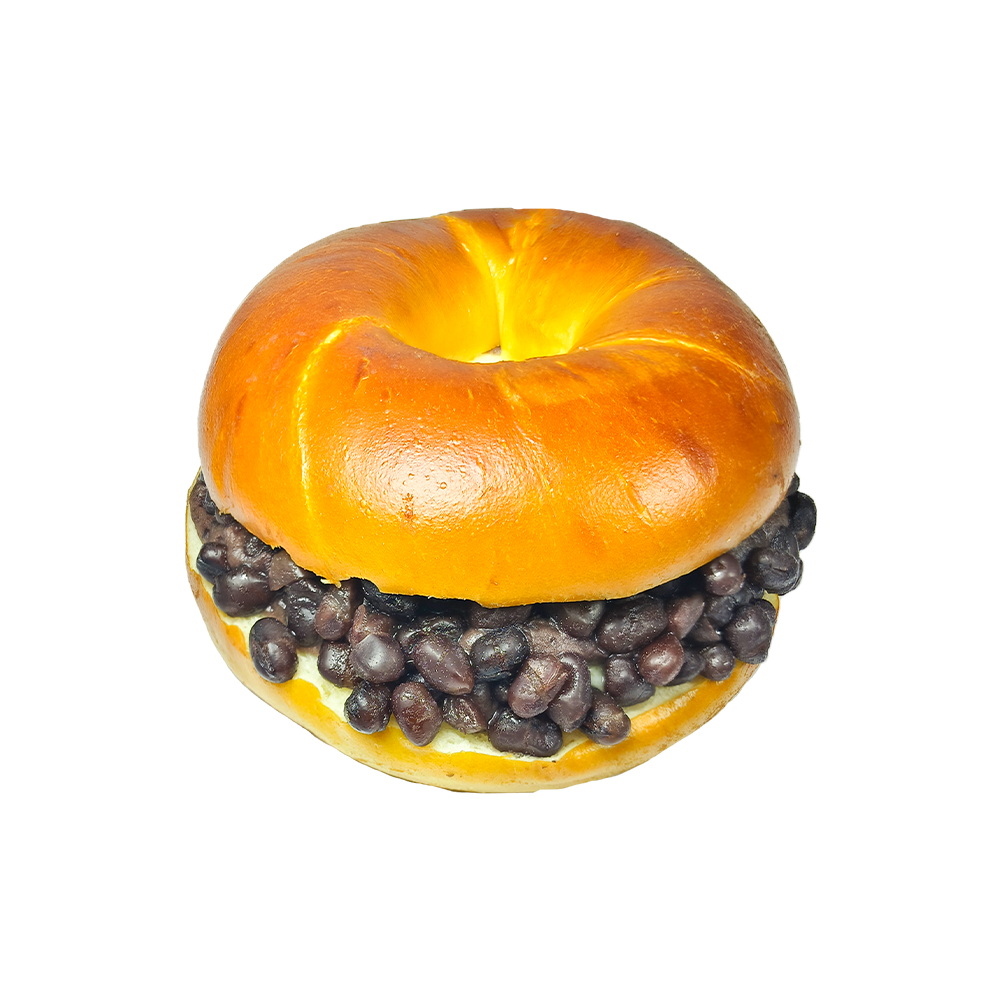
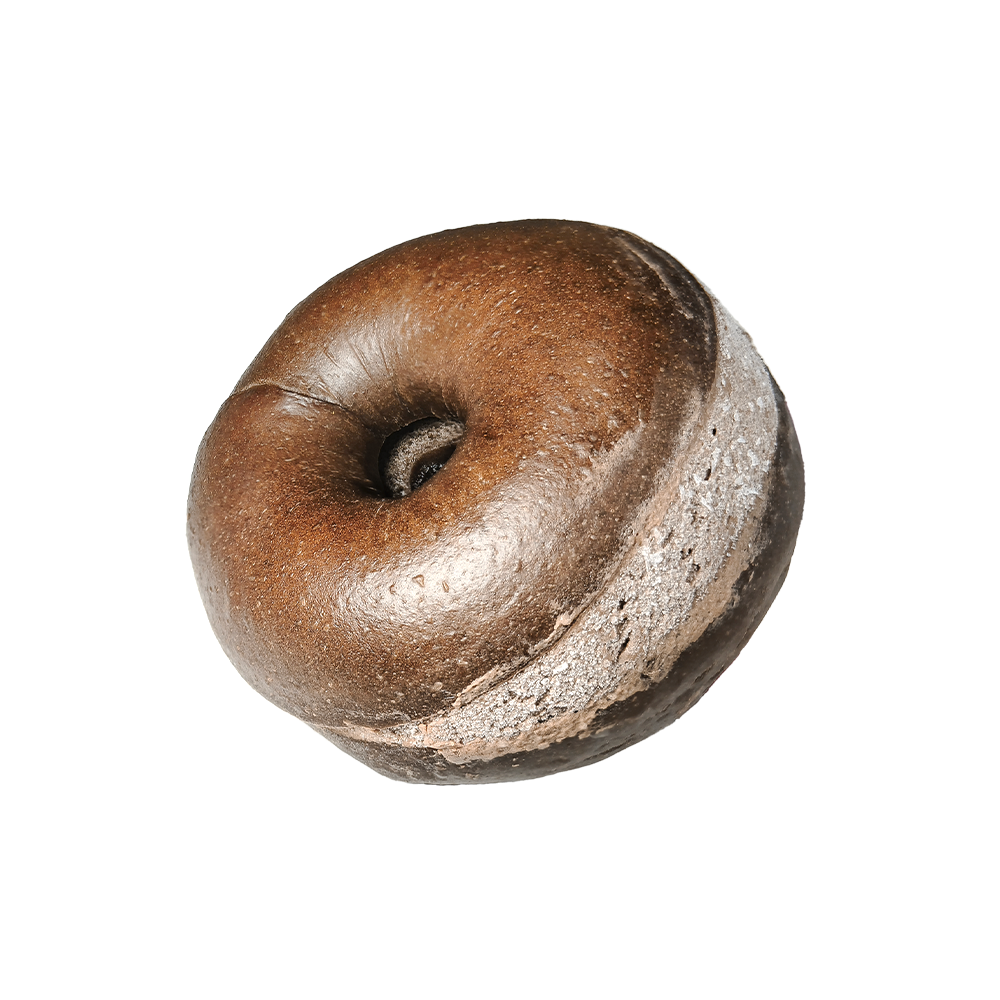
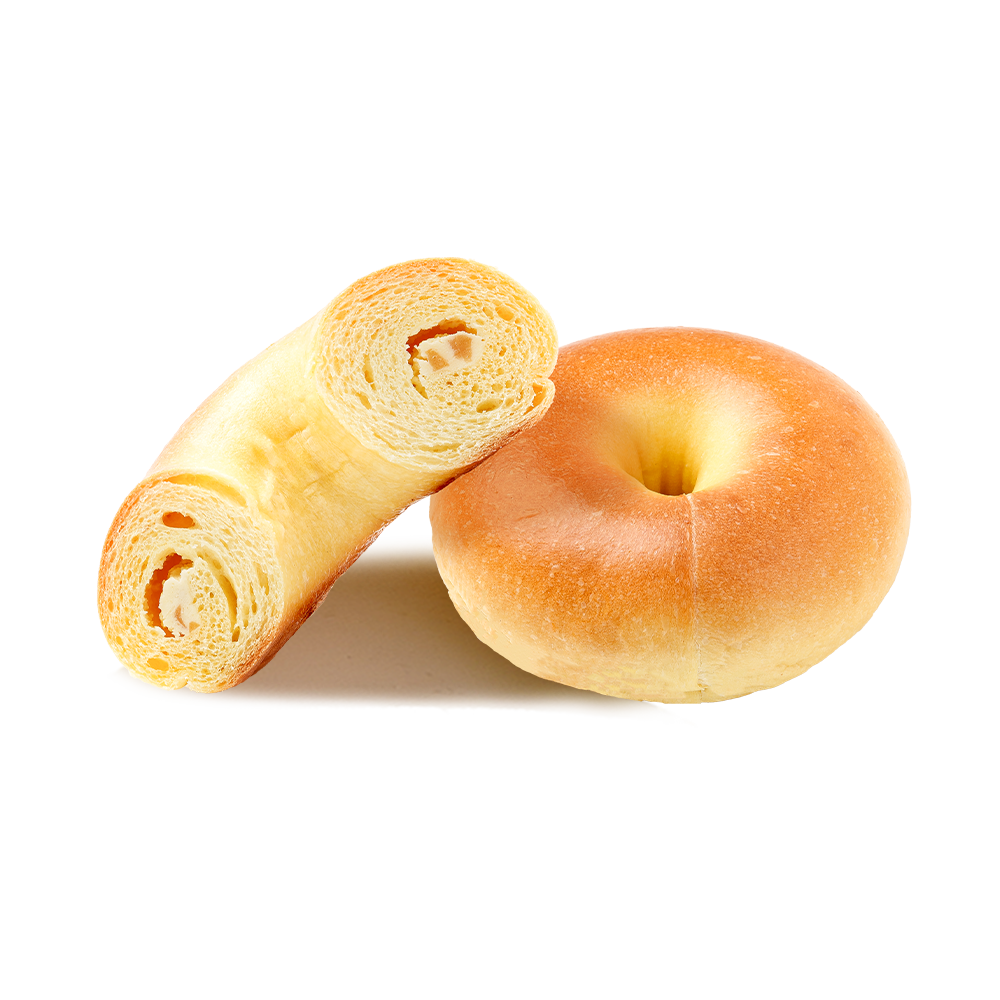
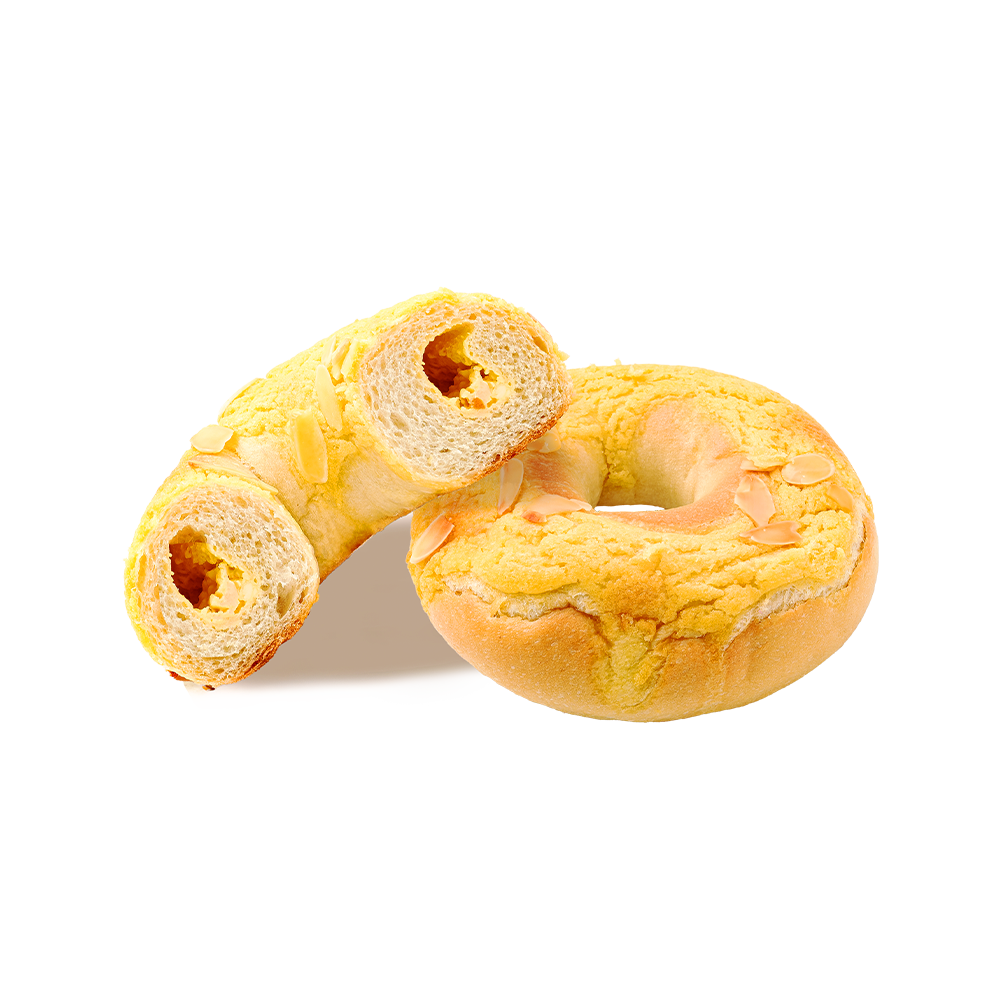
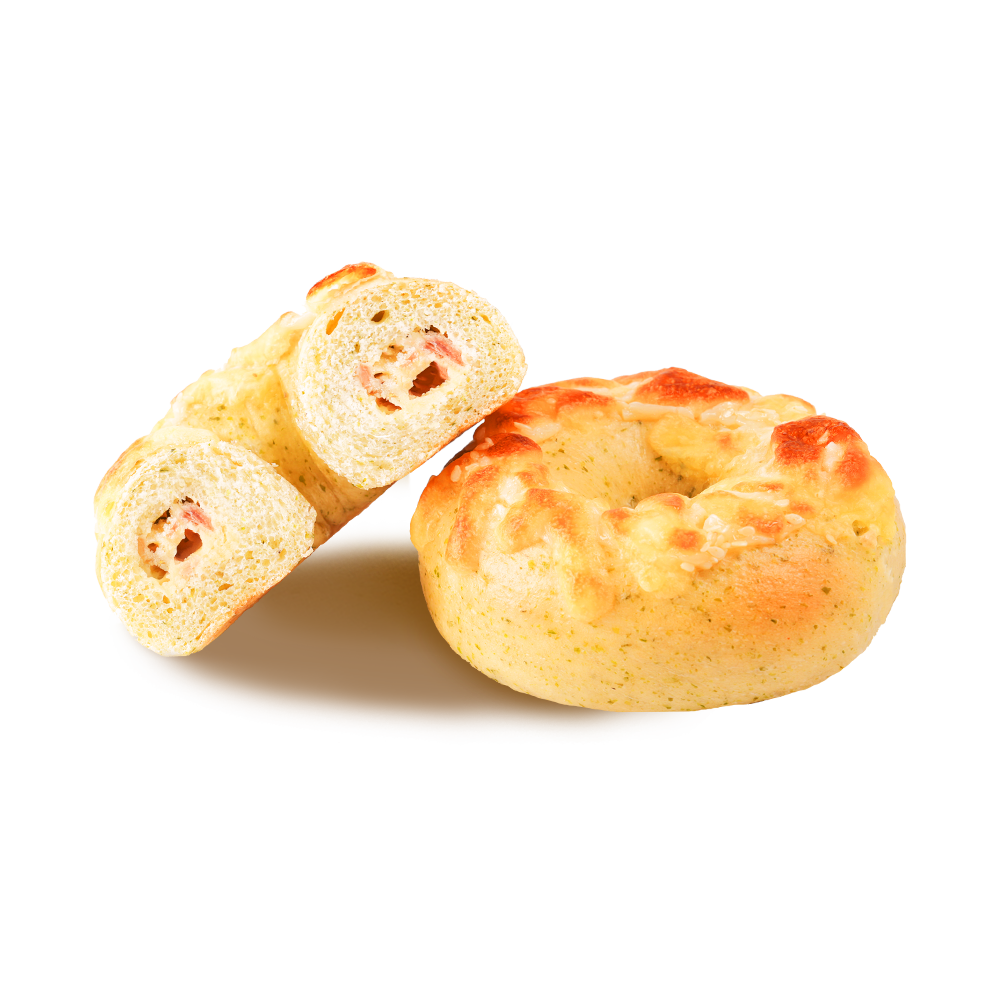
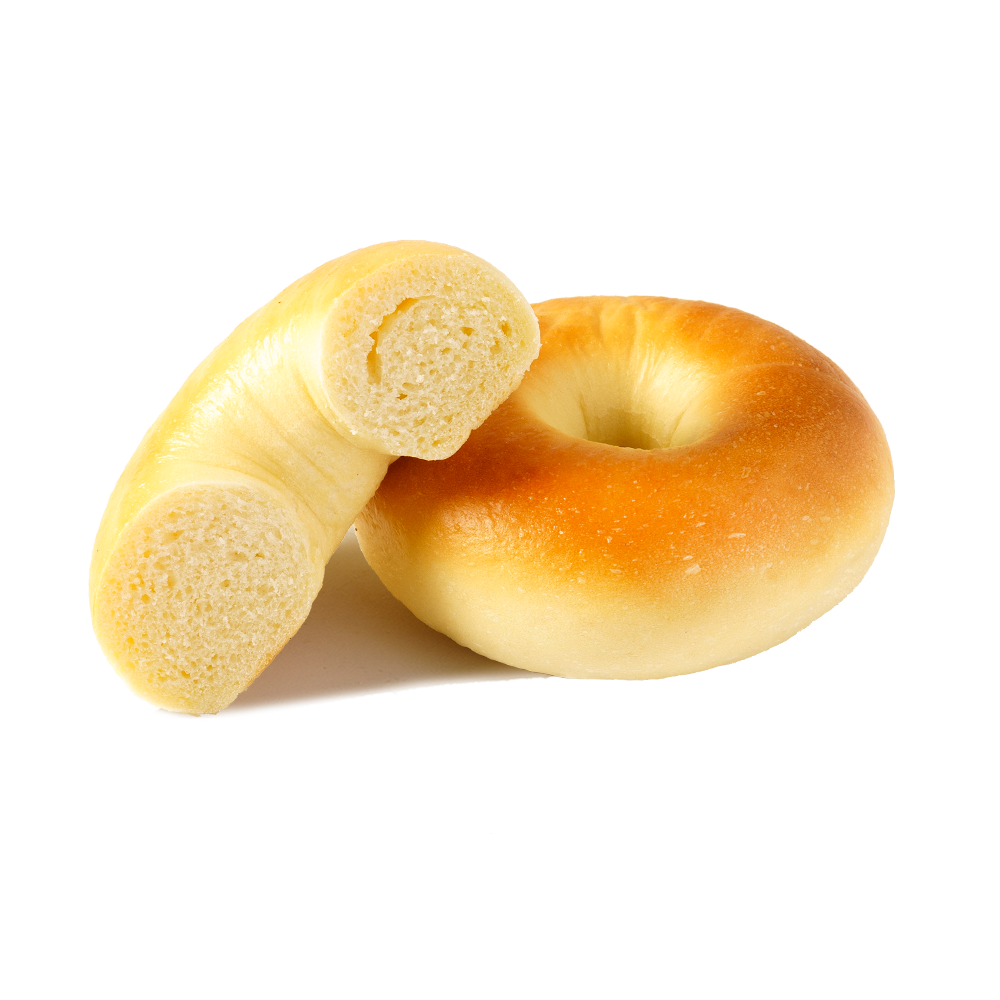
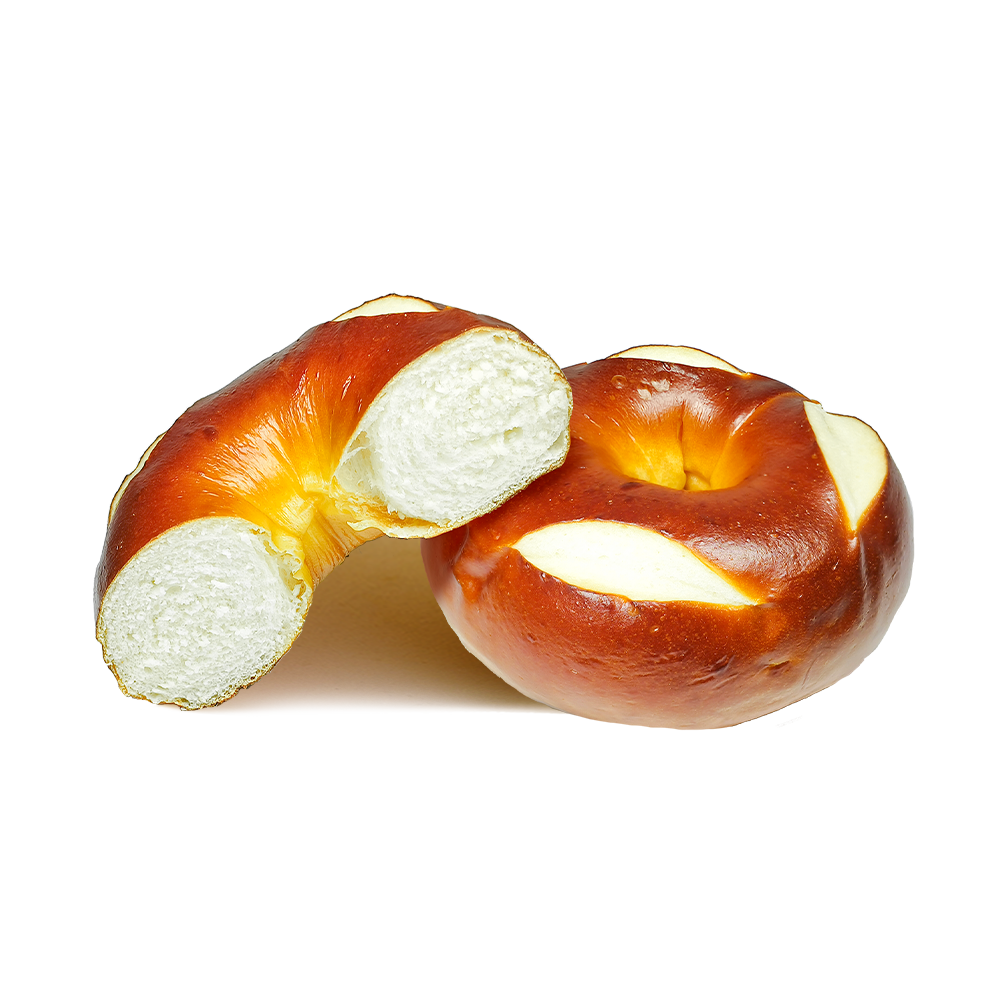
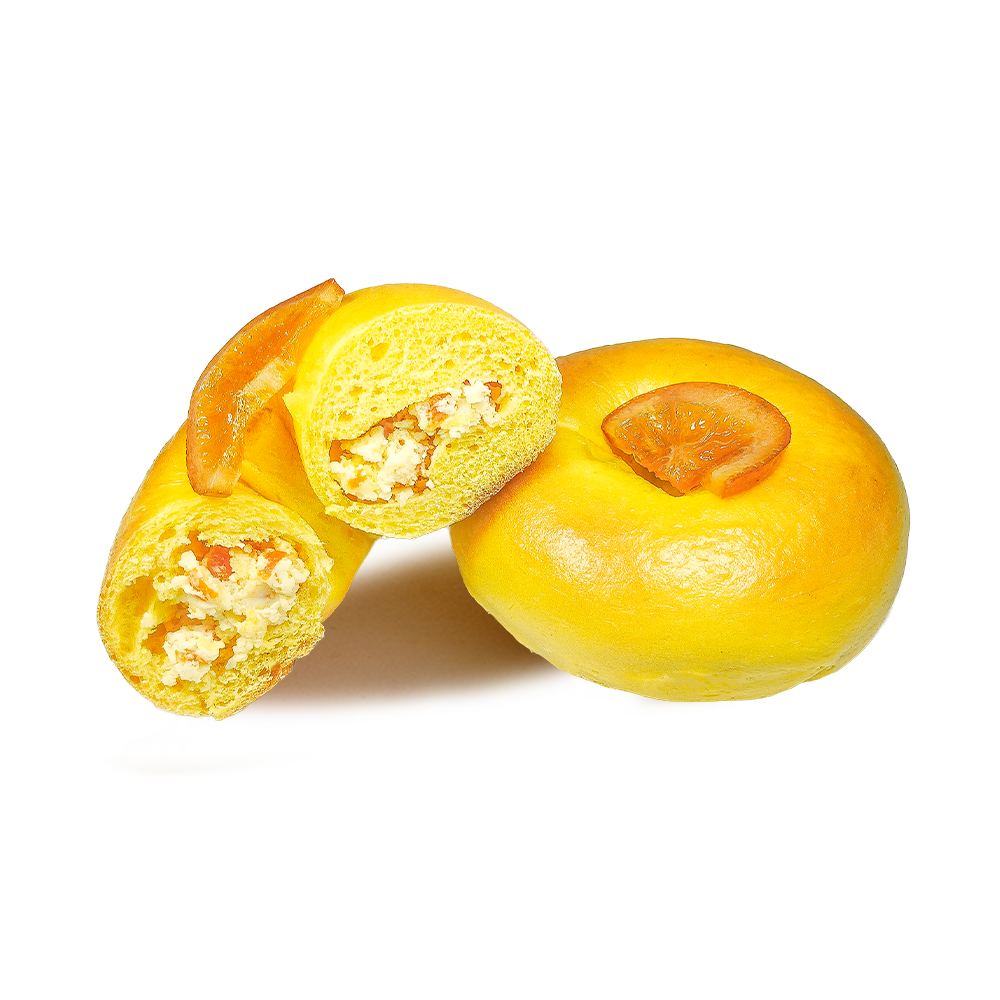
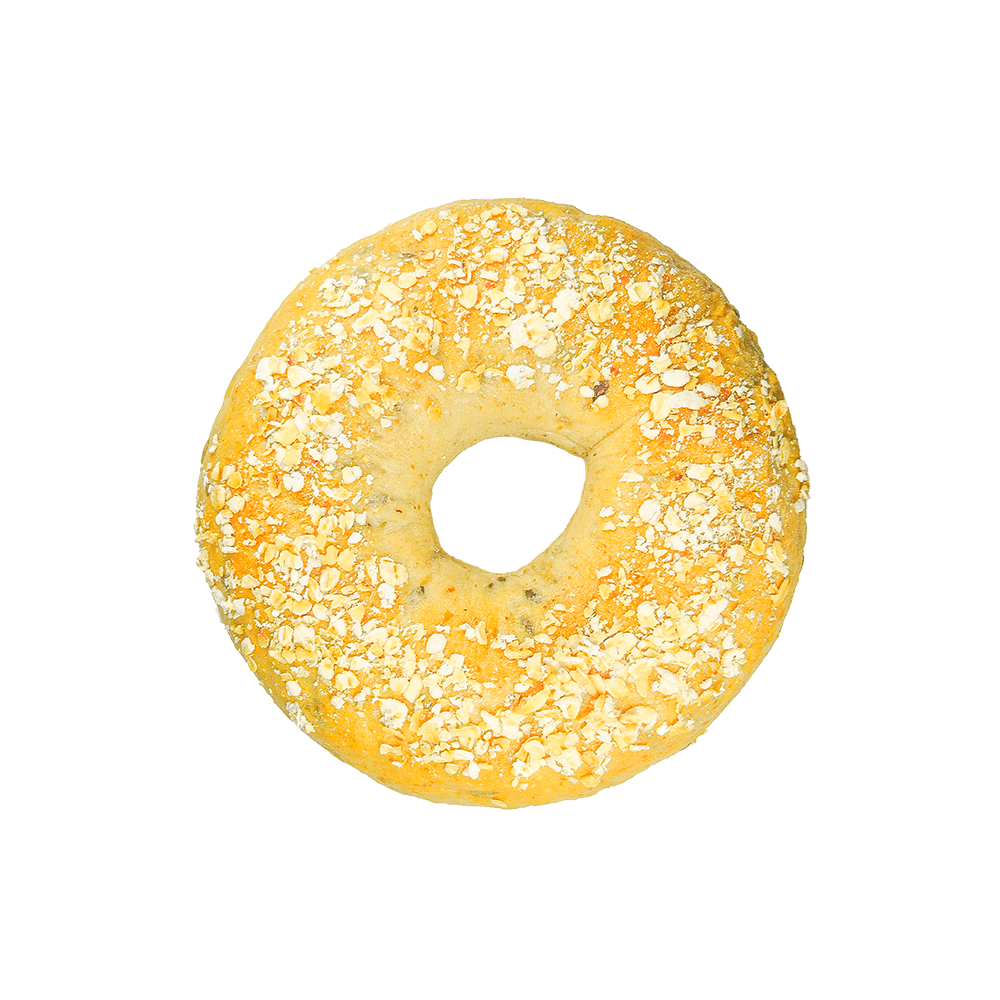
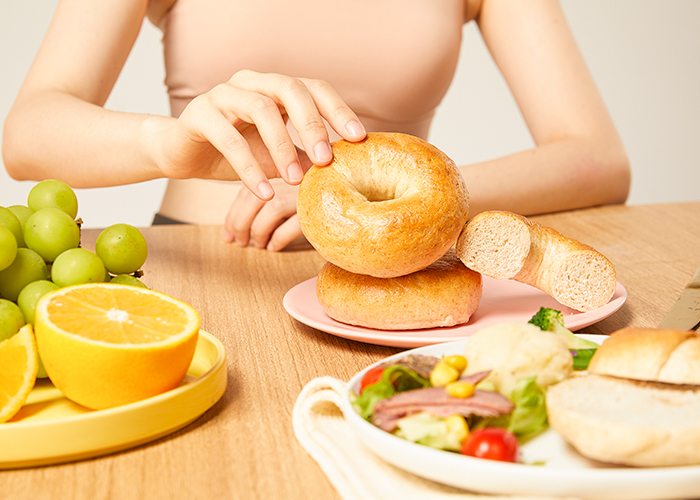
Goobagel Food has specialized in bagel research and manufacturing since 2019. As China Kettle-Boiled New York Style Bagel Texture Manufacturers, As a modern frozen bakery producer, Kettle-Boiled New York Style Bagel Texture Suppliers and Kettle-Boiled New York Style Bagel Texture Factory in China, we operate a fully integrated supply chain covering raw materials, R&D, production, and nationwide distribution.
With strong product development capabilities, we have created 100+ clean-label bagel varieties designed for retail, foodservice, café chains, tea brands, and bakery operators. Supply Kettle-Boiled New York Style Bagel Texture Wholesale. Our products offer stable quality, consistent performance, and reliable supply for a wide range of commercial applications.
Goobagel works closely with leading brands across China, providing high-quality and innovative bagel solutions that support their growth and product development needs.
With strong product development capabilities, we have created 100+ clean-label bagel varieties designed for retail, foodservice, café chains, tea brands, and bakery operators. Supply Kettle-Boiled New York Style Bagel Texture Wholesale. Our products offer stable quality, consistent performance, and reliable supply for a wide range of commercial applications.
Goobagel works closely with leading brands across China, providing high-quality and innovative bagel solutions that support their growth and product development needs.
