
 中文简体
 English
postmaster@goobagelfood.com
Content
- 1 Start With the Real Cause: Moisture, Temperature, and Spore Load
- 2 Core Principle: Mold Needs a Window, Not a Countdown
- 3 Storage Comparison: What Each Method Actually Buys You
- 4 Hidden Metric: The Two-Day Window Most Kitchens Miss
- 5 Where Mold Risk Shows Up by Product Type
- 6 Freezing, Thawing, and Packaging: The Practical Workflow
- 7 Maintenance and Compliance: What to Document
- 8 Bottom Line
Start With the Real Cause: Moisture, Temperature, and Spore Load
If a loaf or bagel is already showing mold, the problem began hours earlier. Mold spores are present on flour, in the air, and on hands and equipment. The practical goal is not sterility; it is slowing the period when moisture, warmth, and oxygen overlap long enough for visible growth.
High-value conclusion: For most bread, the best routine is to keep it cool and dry, avoid trapping steam, slice only what you need, and freeze the portion you will not eat within 48 hours. Refrigeration is a trade-off: it slows mold but stales the crumb faster.
That is why two loaves baked on the same day can behave differently. A fully cooled loaf in a breathable bag may last several days at room temperature. A warm loaf sealed in plastic can show mold in half that time, because the packaging traps moisture that would otherwise escape.
Core Principle: Mold Needs a Window, Not a Countdown
Mold prevention is a control problem, not a single trick. The four levers below matter most for sliced bread, bagels, and other baked goods.
Water activity
Surface moisture drives early mold. Steam from a warm loaf, condensation in a bag, or a damp bread box gives spores the water they need.
Temperature
Warm kitchens accelerate growth. Cool, dry storage slows it. Freezing stops mold growth, but it does not sterilize the bread.
Oxygen and packaging
Tight plastic film can trap moisture and create a humid microclimate. Paper bags breathe, but they also dry bread out faster.
Contamination load
Clean benches, dry cutters, and cool racks reduce the number of spores that land on the crust before packaging.
What matters most for sliced bread and bagels
- Cool completely before bagging; residual heat is the most common home-baking mistake.
- Keep the crust dry; avoid stacking warm slices or sealing them in a closed container.
- Slice cleanly and store cut faces away from damp surfaces.
- Freeze portions you will not finish within two days rather than waiting for visible mold.
Storage Comparison: What Each Method Actually Buys You
The right storage method depends on how soon you will eat the bread. The comparison below is a practical guide, not a guarantee; humid climates and high-moisture recipes shorten every window.
Table note: windows assume a fully cooled loaf, clean hands, and dry packaging; fresh bread with high moisture will sit at the shorter end.
For daily eating, room-temperature storage gives the best texture. For longer holding, freezing is more reliable than refrigeration because it stops mold growth and limits staling. The key is to freeze before mold has a chance to establish, not after a spot appears.
Hidden Metric: The Two-Day Window Most Kitchens Miss
Relative mold risk climbs sharply after the first 48 hours in a warm, humid kitchen. The chart below uses a simple index: lower bars mean more control, higher bars mean more risk.
Day 1
Day 2
Day 3
Day 4
This is why “it looked fine yesterday” is a weak planning rule. By the time a green or blue spot is visible, the surface has already supported growth for some time. For bread you plan to keep, portion and freeze it on day one or day two.
Where Mold Risk Shows Up by Product Type
Different baked goods carry different risk profiles. Soft, high-moisture products usually move faster than dry, crusty ones, and filled products add another surface for contamination.
- Soft sliced sandwich bread: high moisture, large cut surface, fast risk.
- Bagels and dense breads: lower surface moisture, but sliced or filled versions need tighter control.
- Cream-cheese or meat-filled products: additional handling and moisture make cold-chain discipline important.
- Dry crusty loaves: slower mold risk, but they stale quickly if over-wrapped.
For retail and foodservice, the lesson is to match packaging and shelf life to the product, not to use one bag for everything. A breathable bag may suit a crusty loaf; a filled bagel sandwich needs a colder, more controlled chain.
Freezing, Thawing, and Packaging: The Practical Workflow
Freezing is the most reliable home method because it pauses mold growth and preserves texture better than long refrigeration. Use a simple four-step routine.
1. Cool completely
Wait until the center is no longer warm. Sealing a warm loaf creates condensation inside the bag.
2. Wrap tight
Use freezer wrap or a heavy freezer bag, press out air, and label the date. Slice first if you want faster thawing.
3. Freeze fast
Place portions in the coldest part of the freezer and avoid stacking them until they are firm.
4. Thaw deliberately
Thaw at room temperature in the wrapper, or reheat from frozen. Do not refreeze thawed bread repeatedly.
For commercial bagel programs, the same logic applies to parbaked frozen bagel formats for foodservice: freeze at the right point, protect the surface, and control thaw conditions so the product reaches the customer without a moisture spike.
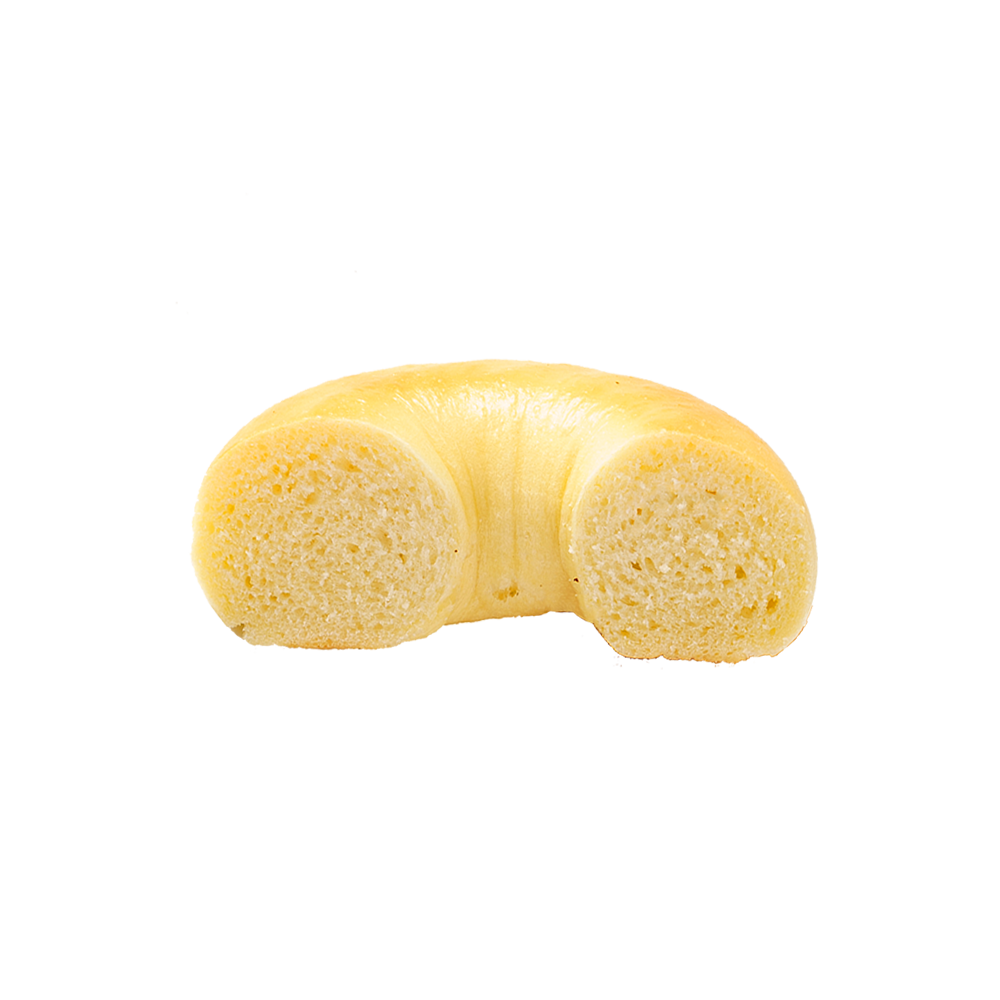 Glossy Brittle Plain Bagel for Foodservice and Private LabelA plain frozen bagel with glossy brittle crust and fine crumb, useful as a baseline for assessing bake and packaging consistency.View Product →
Plain bagels are a useful baseline because they show whether the crumb, crust, and packaging are balanced. Once that baseline is stable, seeded or whole-grain variants can be assessed for their own moisture behavior.
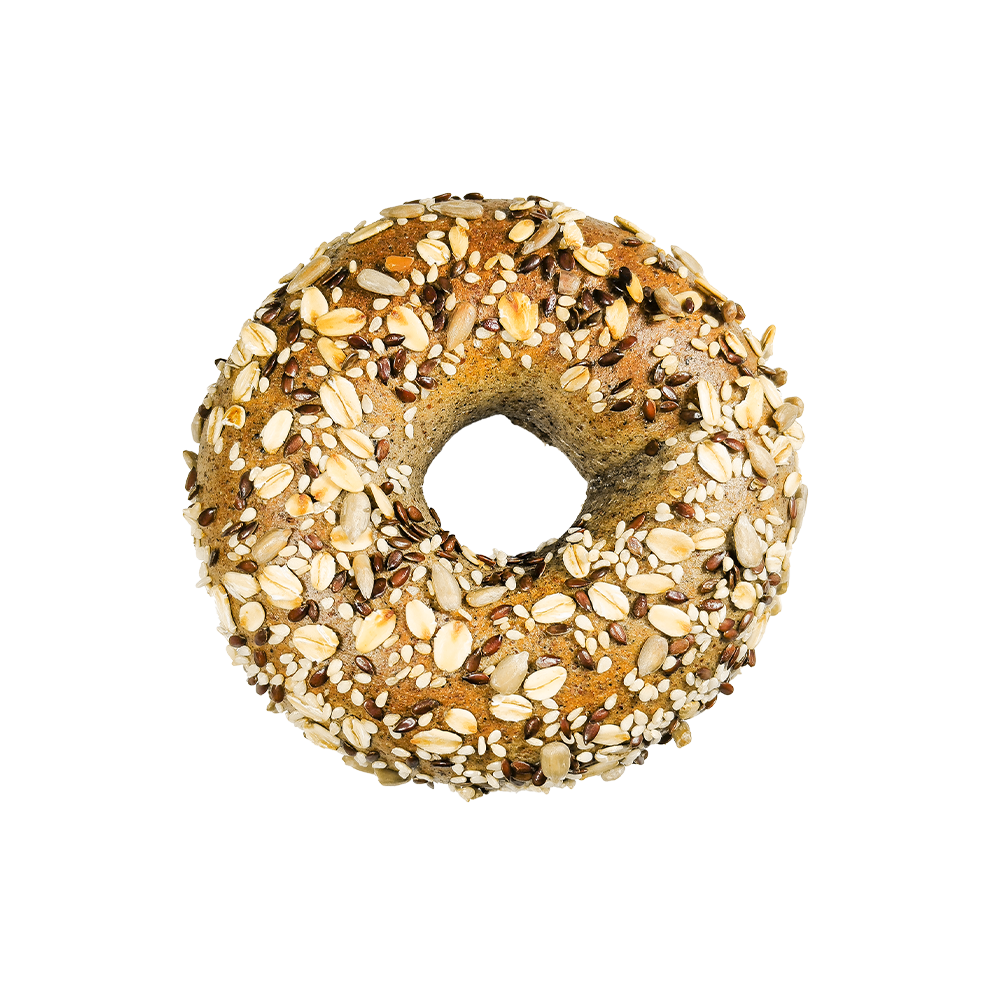 Dark Whole Wheat Multigrain Bagel with Seed ToppingA whole-wheat multigrain bagel topped with oats, flaxseed, and sesame, offering a seeded variant to compare moisture and shelf-life behavior.View Product →
Maintenance and Compliance: What to Document
Mold control is easier to defend when it is written down. Whether you run a bakery, a café, or a central kitchen, keep records that connect storage conditions to shelf-life decisions.
- Cooling time and internal temperature before packaging.
- Packaging type, seal integrity, and label date.
- Storage temperature and humidity checks for display cases and dry stores.
- Cleaning schedule for slicers, racks, bread boxes, and delivery crates.
- Thaw and hold times for frozen or parbaked products.
If you are reducing preservatives, the process window becomes narrower. That is why clean-label bagel formulations without preservatives depend on cooling discipline, moisture control, and realistic shelf-life claims rather than on packaging alone.
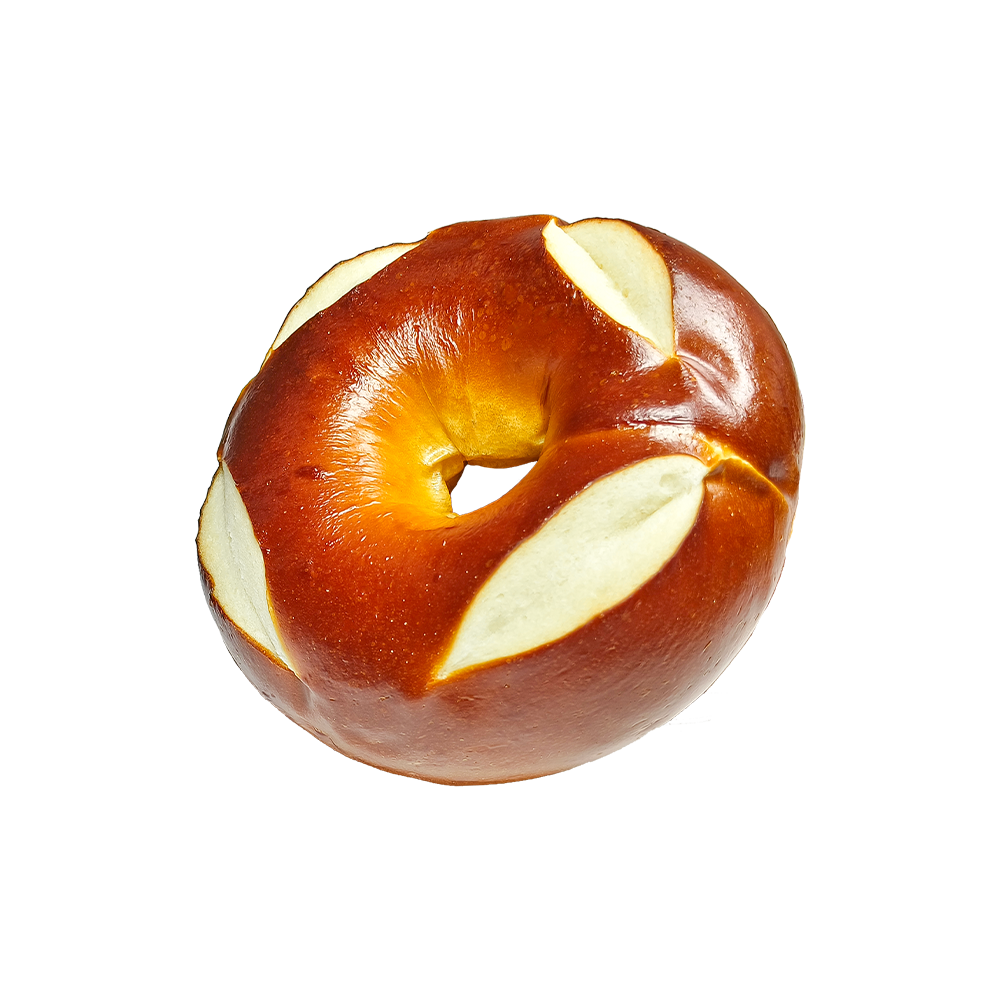 High-Temperature Baked Pretzel Bagel with Lye CrustA pretzel-style bagel with a glossy lye crust and salty-savory snap, suited to menus needing a distinct, resilient sandwich base.View Product →
A written shelf life should include the storage assumption behind it: room temperature, refrigerated, or frozen. Without that context, a date code can create more risk than it removes.
Bottom Line
To prevent bread from molding, control moisture first, cool completely before packaging, store in a cool dry place, and freeze anything you will not finish within two days. Clean handling and realistic shelf-life labels matter as much as the bag. For bakery and foodservice operators, the most reliable result comes from matching recipe, packaging, and cold-chain practice to the actual holding time.
