
 中文简体
中文简体
 English

postmaster@goobagelfood.com
Content
What Makes a Meal Both High-Protein and Filling
A meal that actually holds a customer over for hours needs more than a big protein number on paper. Protein slows digestion and keeps blood sugar steadier than carbs alone, but it works best paired with fiber and a bit of healthy fat, which is why a plain grilled chicken breast on its own often feels less satisfying than the same chicken tucked into a sandwich with greens and a spread.
For menu planning purposes, a useful target is 20 to 30 grams of protein per meal, layered with a fiber source like whole grains or vegetables. That combination is what turns a snack-sized item into something a customer will call a real meal.
The Base Layer: Why Your Starch Choice Matters
Most high-protein meal building starts with the filling and treats the bread or grain base as an afterthought. That's a missed opportunity, because the base itself can contribute meaningful protein and fiber before a single topping goes on.
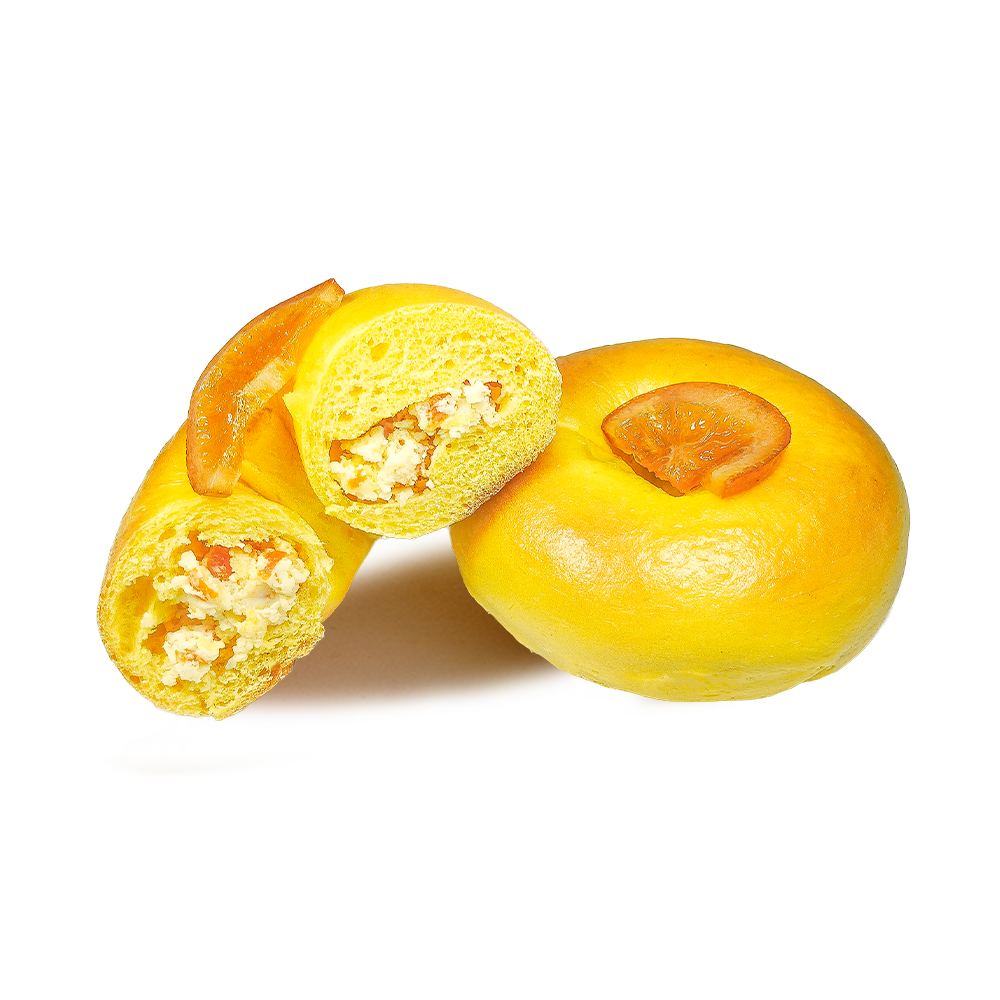
A a dark whole wheat multigrain bagel base brings noticeably more fiber and protein to the plate than a standard white roll, and a low-fat oat and flaxseed multigrain bagel adds omega-3s along with a denser, more filling crumb. Choosing a base like this before layering on protein means the final plate hits its numbers without relying on oversized portions of meat or cheese.
A Simple Formula for Building High-Protein Meals
Rather than memorizing individual recipes, it helps to work from a repeatable formula: base, primary protein, fiber or vegetable, and a spread that ties it together.
- Base: a whole grain or multigrain bagel, split and toasted
- Primary protein: egg, chicken, turkey, beef, tuna, or a plant-based option like hummus and beans
- Fiber or vegetable: greens, tomato, cucumber, roasted peppers
- Spread: Greek yogurt-based spread, cream cheese blended with cottage cheese, or a light vinaigrette
This structure scales easily across a menu. Swap the protein and spread while keeping the base consistent, and a kitchen can produce a dozen distinct combinations without adding real prep complexity.
Breakfast Combinations That Deliver 20g+ Protein
Breakfast is where high-protein positioning tends to sell best, since customers are actively looking for something that will carry them to lunch.
- Egg and cheese classic: two eggs, melted cheddar, and a light spread on a toasted bagel — roughly 22g protein
- Mediterranean egg and feta: sliced hard-boiled egg, whipped feta, arugula, and olive oil — around 24g protein
- Smoked salmon and yogurt spread: salmon, a Greek yogurt cream cheese blend, cucumber, and dill — about 26g protein
Each of these keeps prep to a few standardized components, which matters more for consistency than a long ingredient list.
Lunch and Dinner Combinations That Hold Up
For lunch and dinner, heartier proteins and warm preparations tend to perform better, especially in colder months or for customers looking for a full meal rather than a snack.
- Chicken, spinach, and mushroom: built from a chicken, spinach, and mushroom hot bagel sandwich, this combination pairs lean protein with sautéed vegetables for a warm, savory option
- Spiced pepper chicken: a savory chicken-and-pepper stuffed bagel offers bold flavor with the protein baked directly into the dough, reducing assembly time during service
- Tuna and white bean: tuna mixed with cannellini beans, lemon, and a light mayo, served open-faced for extra fiber without excess bread
Menu Development Tips for Foodservice Operators
Building a high-protein section on a menu works best when the offerings are standardized rather than custom-built per order. Starting from ready-to-eat hot bagel sandwiches built around cooked protein lets a kitchen offer consistent portions without training staff on multiple assembly methods.
A few practical points worth checking before finalizing a lineup:
- Confirm actual protein grams per portion rather than estimating, since spreads and fillings vary widely
- Choose two or three base options, such as slow-roasted beef and cheese hot bagel sandwich, and rotate toppings rather than expanding the base count
- Batch-prep proteins and spreads ahead of service to keep ticket times low during rush periods
- Label protein content clearly on menu boards, since it is often the deciding factor for customers choosing between similar-priced items
For a broader look at pairing structures beyond protein-focused builds, our guide to classic bagel sandwich combos covers additional combinations worth testing on a rotating menu.
