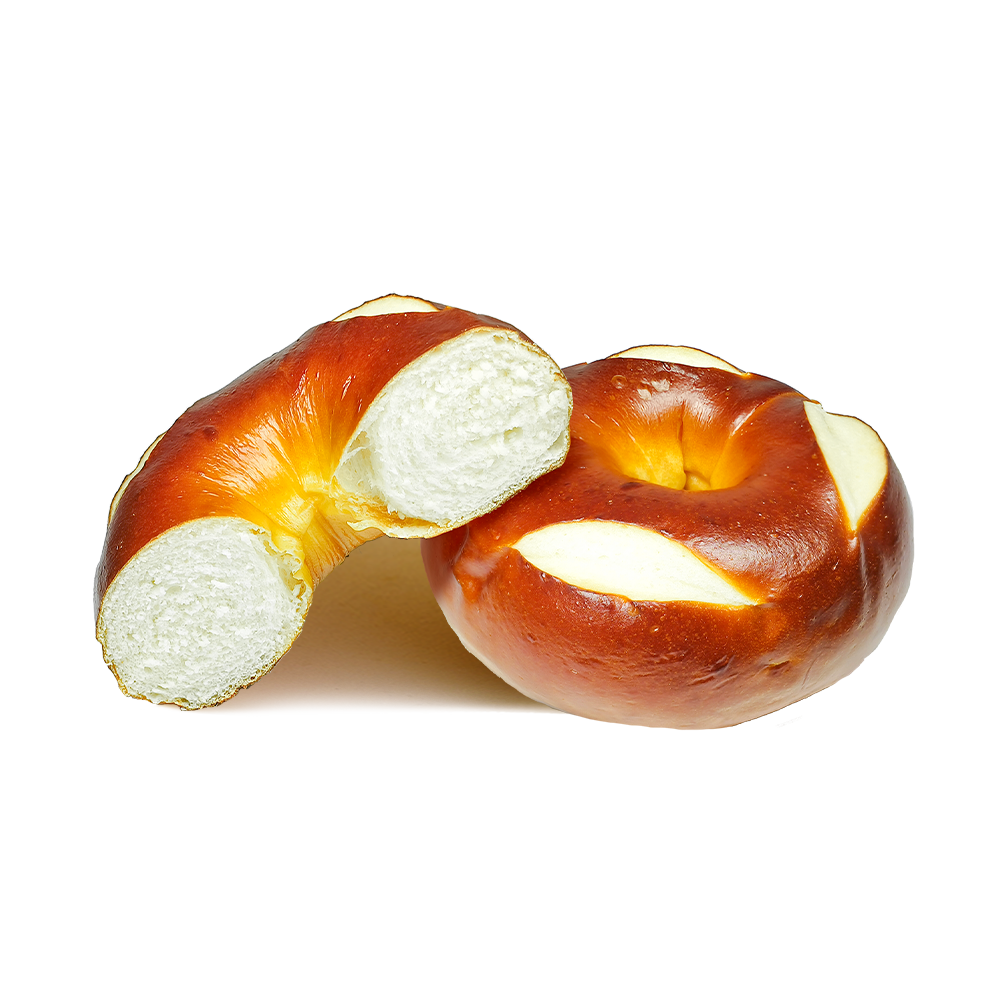
The Engineering Behind Authentic Original Bagel Formulation
Achieving the signature chew and structural integrity of an Original Bagel requires precise control over dough hydration, gluten development, and thermal processing. Traditional bagel dough operates at a lower hydration level (typically 55% to 58%) compared to standard bread, which creates a denser crumb and a firmer bite. During mixing, high-shear mechanical action aligns the gluten proteins into a tight network that can withstand the stress of boiling and rapid oven spring. Commercial producers must replicate this manual kneading effect through calibrated spiral mixers, ensuring consistent dough temperature and extensibility across large batches.
Boiling Parameters and Crust Development
The boiling stage is the defining step that separates bagels from other yeast-leavened products. Submerging proofed dough in water heated to 90°C–95°C gelatinizes the outer starch layer, creating a barrier that limits further expansion during baking. This process yields the characteristic glossy, tight crust. The duration of the boil directly influences crust thickness; a 30-second dip produces a thinner, more pliable skin, while a 60-second immersion creates a heavier, chewier exterior. Modern automated lines use continuous water baths with precise pH and malt syrup concentration controls to ensure uniform color and texture without manual intervention.
Navigating Clean Label Compliance in Frozen Bakery Systems
The shift toward Clean label formulations in frozen bakery products is driven by retailer mandates and consumer demand for transparent ingredient decks. Removing synthetic dough conditioners, artificial flavors, and chemical preservatives requires a fundamental reformulation strategy. Manufacturers now rely on enzymatic systems, cultured fermentation products, and natural acidulants to achieve the same functional benefits. Amylase enzymes regulate starch breakdown to maintain softness, while protease modifiers fine-tune dough elasticity. This biochemical approach preserves the sensory profile while meeting strict labeling standards across retail and foodservice channels.
Natural Preservation and Freeze-Thaw Stability
Operating a No preservatives line in a frozen environment demands rigorous control over water activity and microbial load. Rapid freezing at -35°C or below locks moisture into microscopic ice crystals, effectively halting bacterial and mold proliferation without chemical inhibitors. Packaging plays an equally critical role; high-barrier multilayer films with oxygen scavengers prevent freezer burn and oxidative rancidity. When combined with strict cold-chain monitoring, these physical preservation methods allow products to maintain peak quality for 9 to 12 months while adhering to minimalist ingredient philosophies.
Cold Chain Logistics and Quality Assurance Protocols
Maintaining product integrity from production floor to end-user freezer requires a documented cold-chain management system. Temperature excursions above -15°C trigger ice crystal recrystallization, which ruptures cell walls and causes crumb collapse upon thawing. Reputable manufacturers equip transport vehicles with real-time GPS telemetry and continuous temperature logging. Receiving protocols at distribution centers mandate immediate verification of internal pallet temperatures before unloading. This systematic approach eliminates blind spots in the supply chain and ensures that every unit arrives in optimal condition.
Quality Control Metrics for Frozen Dough Products
- Core temperature verification at multiple stages: post-freezing, pre-loading, and upon delivery, with acceptable variance limited to ±2°C.
- Moisture content testing using loss-on-drying methods to ensure water activity remains below 0.85, preventing microbial growth and staling acceleration.
- Sensory panel evaluations focusing on crust integrity, crumb spring, and flavor neutrality after standardized thaw and toast cycles.
- Microbiological screening for total plate count, yeast, mold, and pathogens according to regional food safety standards before product release.
Strategic Manufacturing and Brand Development Support
Goobagel Food has specialized in bagel research and manufacturing since 2019. As a modern frozen bakery producer, Custom Bagel Factory and Frozen Bagels Suppliers in China, we operate a fully integrated supply chain covering raw materials, R&D, production, and nationwide distribution. With strong product development capabilities, we have created 100+ clean-label bagel varieties designed for retail, foodservice, café chains, tea brands, and bakery operators. Supply Customization Bagels. Our products offer stable quality, consistent performance, and reliable supply for a wide range of commercial applications. Goobagel works closely with leading brands across China, providing high-quality and innovative bagel solutions that support their growth and product development needs.
Comparative Analysis of Frozen Bakery Preservation Methods
| Preservation Approach |
Mechanism of Action |
Shelf Life Potential |
Label Impact |
| Rapid IQF Freezing |
Micro-crystal formation halts molecular degradation |
9–12 months at -18°C |
Zero additive requirement |
| Cultured Wheat Starch |
Natural organic acids inhibit mold spores |
Extends chilled life by 30–40% |
Recognized as Clean label ingredient |
| Modified Atmosphere Packaging |
Reduced oxygen slows oxidation and microbial growth |
Doubles ambient shelf stability |
No chemical preservatives needed |
| Enzyme-Based Dough Conditioners |
Optimizes starch gelatinization and gluten relaxation |
Maintains texture through freeze-thaw cycles |
Processing aid, often exempt from labeling |
Scaling Customization Without Compromising Standards
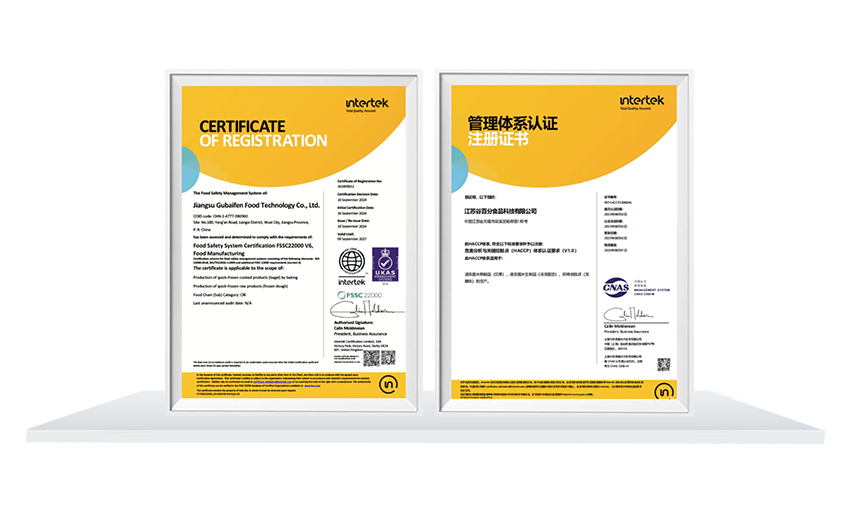
Delivering tailored bagel solutions while maintaining strict quality thresholds requires modular production architecture and agile R&D workflows. Jiangsu Goobagel Food Technology Co., Ltd. utilizes segmented production lines that allow rapid changeovers between standard Original Bagel batches and specialized formulations. Ingredient pre-mixing stations ensure precise dosing of inclusions and flavor compounds, while inline metal detection and check-weighing systems guarantee uniformity. This operational flexibility enables brands to launch limited-edition flavors or dietary-specific variants without disrupting core supply continuity or diluting manufacturing focus.

 中文简体
中文简体
 English