
 中文简体
中文简体
 English
postmaster@goobagelfood.com
Content
Bite into a mediocre bagel and you know it immediately. The crust gives way too easily, the inside is soft and bready, and the whole thing collapses under a smear of cream cheese. Now bite into a real one — a classic chewy bagel made the traditional way — and the difference is unmistakable. There's resistance. There's chew. There's a crust that crackles before yielding to a dense, springy interior with a warm, natural wheat aroma.
That contrast is exactly what this article is about. Not a recipe, but an explanation: what separates a genuinely classic chewy bagel from an ordinary roll with a hole in the middle — and why it matters when you're choosing one to eat.

What Makes a Bagel Truly "Classic"?
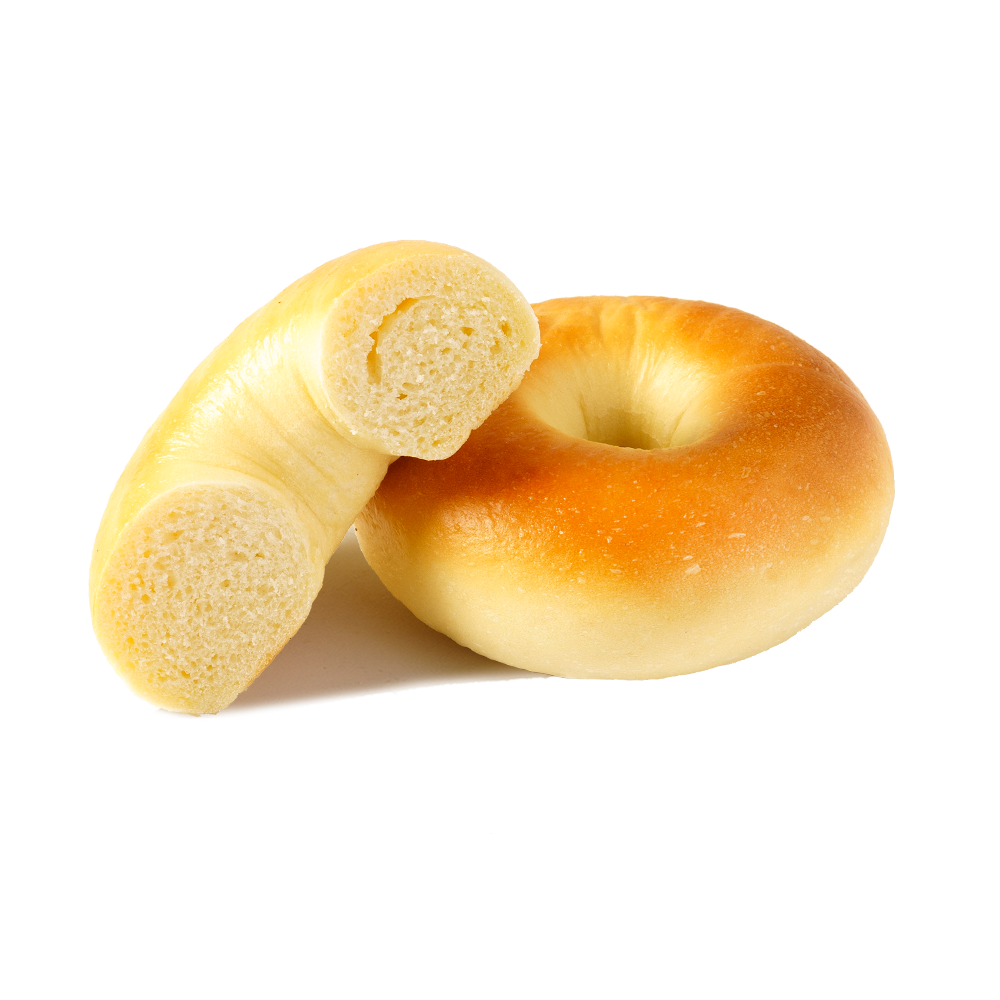
The word "classic" gets applied to almost every baked good these days, but for bagels it has a real, technical meaning. A classic chewy bagel has three defining characteristics: a thin, firm outer crust with a slight shine; a dense, tightly structured crumb inside; and a chew that requires actual effort — not toughness, but resistance that releases slowly as you eat.
That texture is not a happy accident. It is the result of specific decisions made at every stage of production: the protein content of the flour, the hydration level of the dough, the fermentation time, and — most critically — the method of cooking before baking.
Supermarket bagels often skip or shortcut several of these steps. They're lighter, airier, and easier to eat quickly. They are also, by any traditional standard, not really bagels. A classic bagel is a more deliberate thing. It takes longer to make and rewards slower eating.
The Boil-Then-Bake Method: Why It Can't Be Skipped
The single most important step in making an authentic bagel recipe is one that surprises many people: boiling. Before a bagel ever sees the inside of an oven, it goes into a pot of simmering water. This is not optional. This is, historically and technically, what makes a bagel a bagel.
Bagels originated in the Jewish communities of Poland, likely between the 13th and 17th centuries. As culinary historians at the Institute of Culinary Education have documented, the boil-then-bake approach became the defining characteristic of the bagel — producing a leaner, denser bread distinctly different from conventional loaves of the time. The technique traveled with Jewish immigrants to America and has remained the standard ever since.
What does boiling actually do? Two things, both essential. First, it gelatinizes the outer layer of starch on the dough's surface. This creates the bagel's signature skin — shiny, firm, and slightly chewy — before the oven adds its color and crunch. Second, it slows the oven spring. Because the exterior has already set, the bagel doesn't puff and expand the way bread does. It stays dense. That's the chew you're looking for.
The duration of boiling matters, too. A shorter boil produces a thinner crust and a slightly softer crumb. A longer boil — or double-sided boiling, flipping the bagel halfway through — creates a more pronounced chew and a firmer outer layer. Traditional producers who take this step seriously will often boil both sides, ensuring even texture across the entire surface.
Skip the boil, and you have a bread roll. It might be good. It might even be round with a hole. But it isn't a bagel in any meaningful sense of the word.
Flour, Fermentation, and the Art of Getting the Chew Right
After the boiling method, two other factors define whether a chewy bagel is genuinely classic or just dense: the flour and the fermentation process.
Flour protein content is everything. Standard all-purpose flour contains around 10–11% protein. Bread flour sits closer to 12–13%. High-gluten flour — the kind serious bagel makers reach for — can reach 14% or higher. The difference in chew between these three is dramatic. More protein means more gluten development when the dough is worked, and more gluten means a more elastic, cohesive crumb that holds its structure under the boil and throughout baking.
A bagel made with low-protein flour bakes up soft and open-crumbed. It's fine bread. But it lacks the density and resistance that define a classic chewy bagel. The wheat itself needs to do more of the structural work — which is also why high-quality wheat, with a clean, natural flavor, matters so much. When the ingredient list is short, each ingredient is audible. The flavor of the grain comes through clearly.
Fermentation is equally important, and it's where shortcuts become most tempting. Traditional bagel dough uses less yeast than standard bread dough, and it ferments slowly — often at low temperatures, sometimes overnight. This extended fermentation does two things: it develops a more complex flavor, with subtle sweetness and depth that fast-risen dough simply cannot replicate, and it builds a stronger gluten network, contributing further to the final chew.
Fast fermentation produces a bagel that looks right but tastes flat. The interior is often too airy, the crust too thin, and the overall impression is of something that could have been left in the oven a little longer. Slow, low-temperature fermentation is slower and less efficient — and produces a noticeably better result.
Clean Ingredients, Real Flavor
One of the quiet indicators of an authentic bagel is the ingredient list. Traditional bagels contain very few components: flour, water, yeast, salt, and sometimes a small amount of malt or honey. That's it. The natural wheat aroma, the mild tang from fermentation, the slight sweetness of a honey boil — these flavors emerge from the process, not from additives.
Many commercial bagels compensate for shortcuts in process by adding flavor enhancers, dough conditioners, or preservatives that extend shelf life and improve texture artificially. The result is a product that is consistent, shelf-stable, and largely flavorless on its own. The bagel becomes a delivery mechanism for whatever you put on top of it, rather than something worth tasting by itself.
A genuine classic bagel made with minimal oil and sugar, no artificial flavors or colorings, and high-quality wheat flour is a different experience. It has its own character. Toasted lightly, it smells like real bread. Eaten plain, it has warmth and depth. The clean label is not just a marketing position — it's a reflection of a process that doesn't need to hide behind anything.
How to Enjoy a Classic Bagel: From Cream Cheese to Sandwich
The most classic way to eat a chewy bagel is also the simplest: slice it horizontally, toast it just enough to warm the cut surface and sharpen the crust, then spread a generous layer of cream cheese. The cool, smooth richness of the cream cheese against the warm, dense bagel is a combination that has remained unchanged for generations — and for good reason. It works.
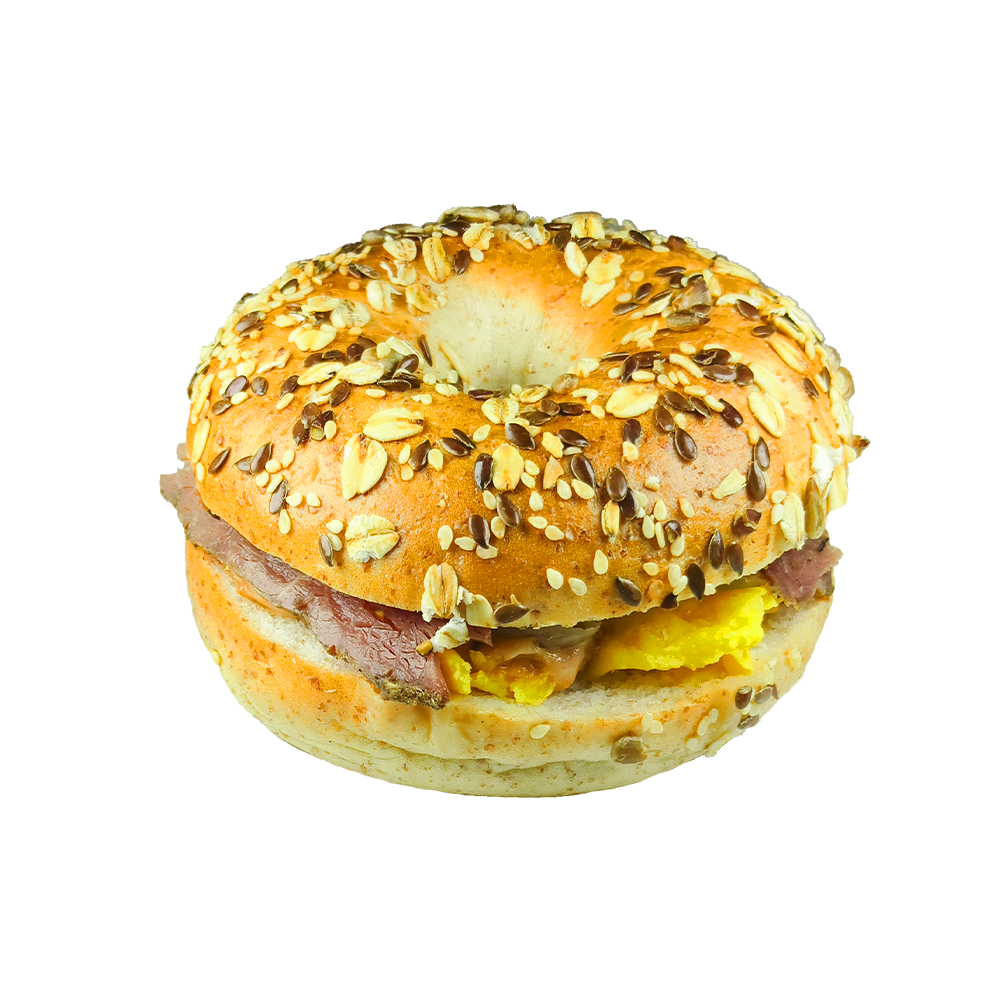
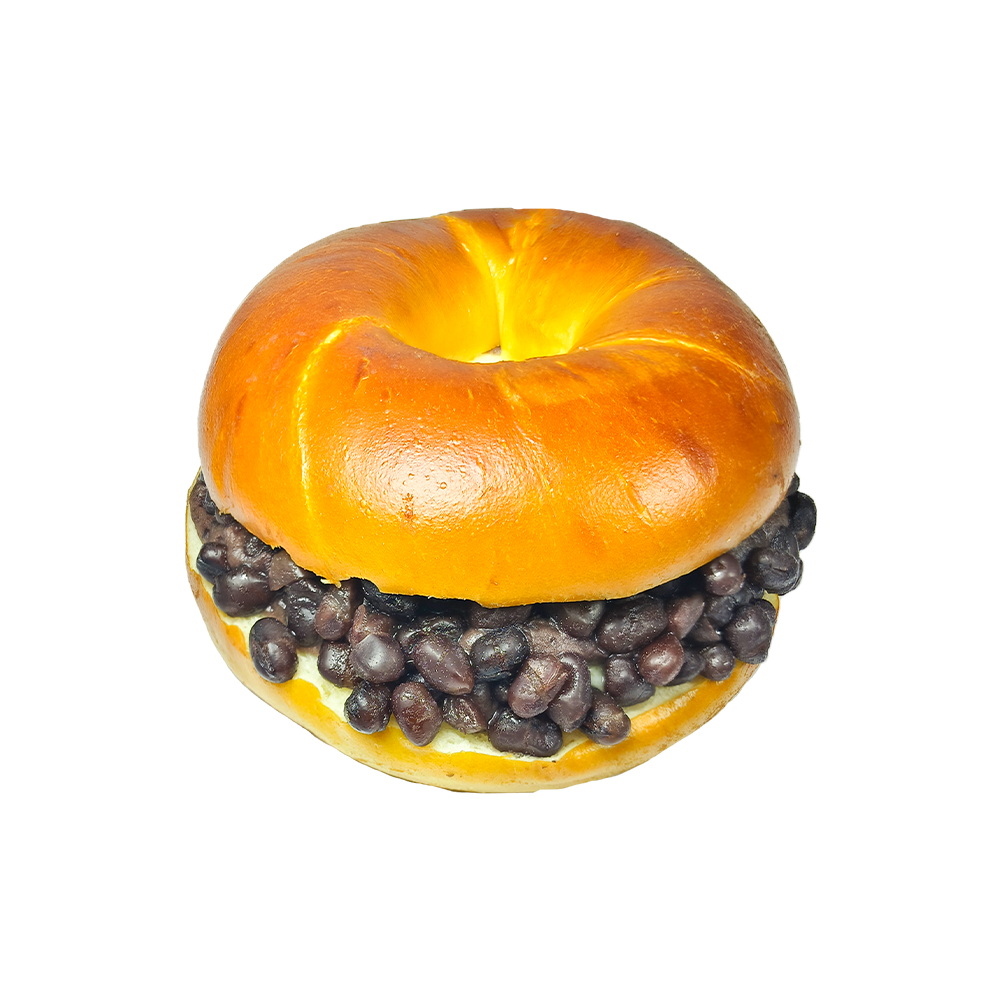
Beyond cream cheese, the classic chewy bagel is one of the more versatile bases in everyday food. Its density means it holds up to fillings that would turn a softer bread soggy. Smoked salmon with cream cheese and capers. A fried egg with sharp cheddar. Thinly sliced ham with mustard. Roasted vegetables with hummus. Each of these becomes a proper meal on a good bagel rather than something that disintegrates by the third bite.
The toasting question is worth addressing directly: a fresh bagel rarely needs it. The crust is already firm, the crumb already has texture, and toasting can dry out the interior. For bagels that are a day old, or that have been frozen and thawed, a light toast restores much of the original quality. A well-made bagel that has been properly flash-frozen and thawed at room temperature is often indistinguishable from a freshly baked one — which is why freezing is one of the few storage methods that genuinely preserves quality rather than just extending shelf life.
What to Look For When Choosing a Classic Chewy Bagel
If you're buying rather than baking, a few simple indicators separate a genuinely classic chewy bagel from one that merely resembles one.
Weight. A real bagel is heavier than it looks. Pick it up. If it feels light and airy, it probably baked up too fast with too much yeast. A dense, substantial bagel signals proper dough development.
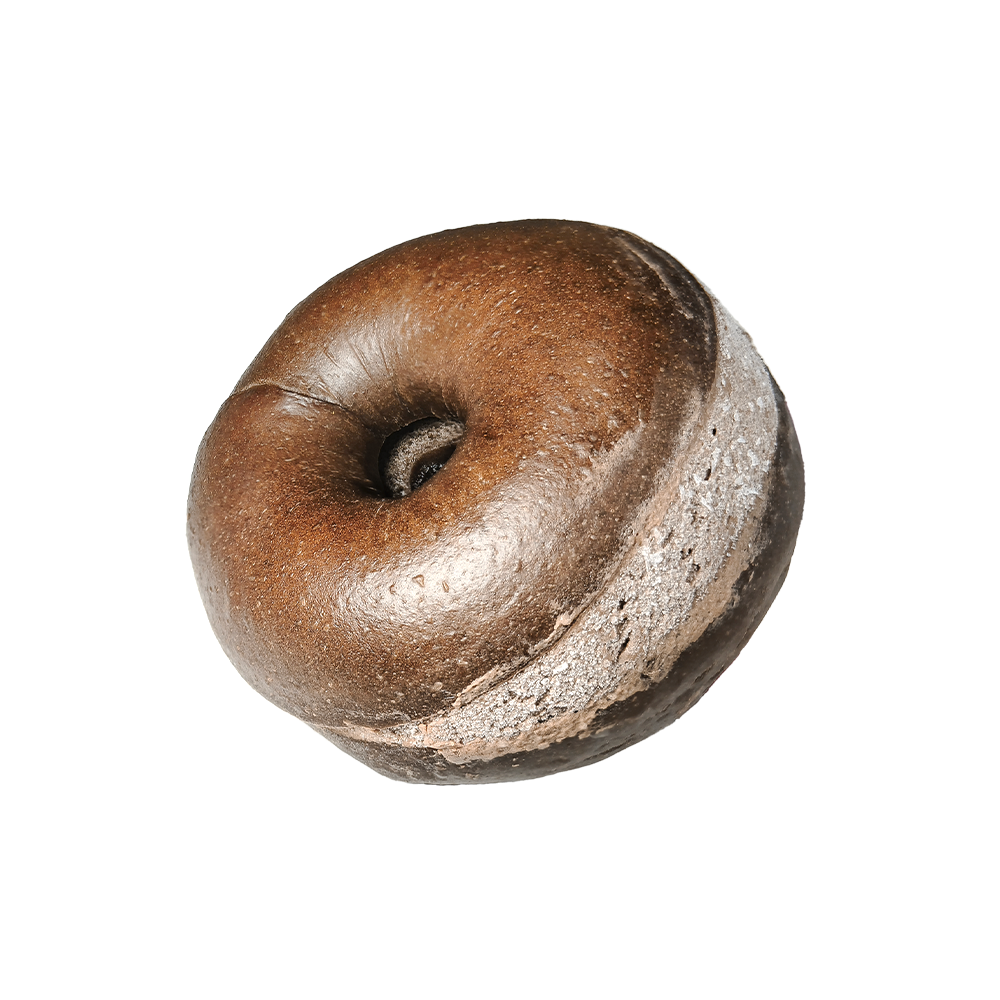
The crust. Look for a surface that is smooth, slightly shiny, and firm to the touch. This is the gelatinized exterior from the boiling step. A matte, dry crust suggests the bagel was steamed or baked without boiling — a common shortcut in mass production.
The ingredient list. The shorter, the better. Flour, water, yeast, salt, perhaps malt or honey. If you see a long list of stabilizers, emulsifiers, or flavor compounds, the process has been supplemented rather than executed properly.
The process description. Producers who take the traditional method seriously will say so. Look for terms like hand-shaped, slow-fermented, boiled, or low-temperature fermentation. These are not marketing embellishments — they are descriptions of steps that take more time and produce a better result.
A good classic chewy bagel is worth paying attention to. Made right, from honest ingredients, with the boiling step intact and the fermentation given room to develop, it is one of the more satisfying things you can eat for breakfast — or any other meal, for that matter.
