
 中文简体
中文简体
 English
postmaster@goobagelfood.com
Content
The stuffed bagel is having a moment — and it's easy to understand why. What started as a niche idea circulating on food blogs has become one of the most talked-about breakfast formats of the past two years, with countless variations showing up in bakeries, brunch menus, and home kitchens alike. But beneath the trend is a simple, enduring idea: a bagel isn't just a vehicle for toppings. With the right filling and the right bagel, it becomes something genuinely complete.
This piece covers everything worth knowing about stuffed bagels — what they are, how the best ones are made, what fillings work, and how to choose one that actually delivers on the promise of that first bite.
What Exactly Is a Stuffed Bagel?
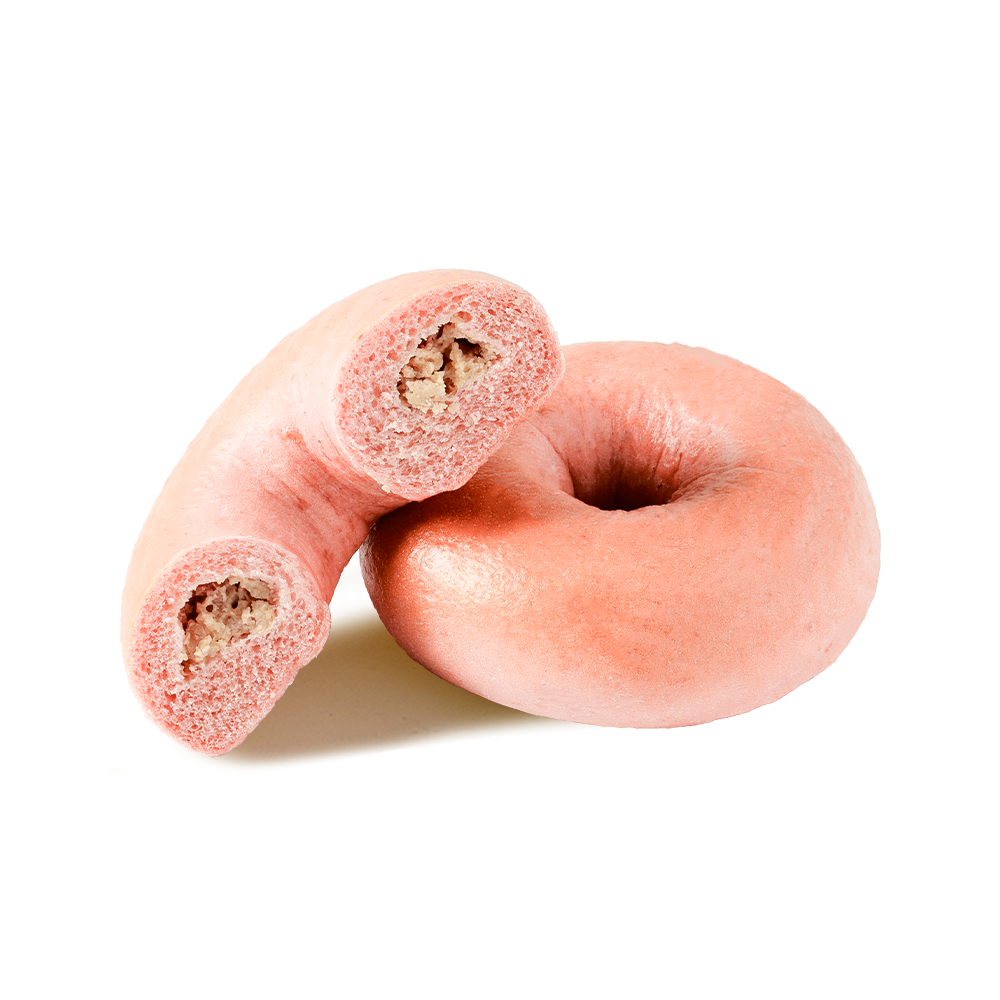
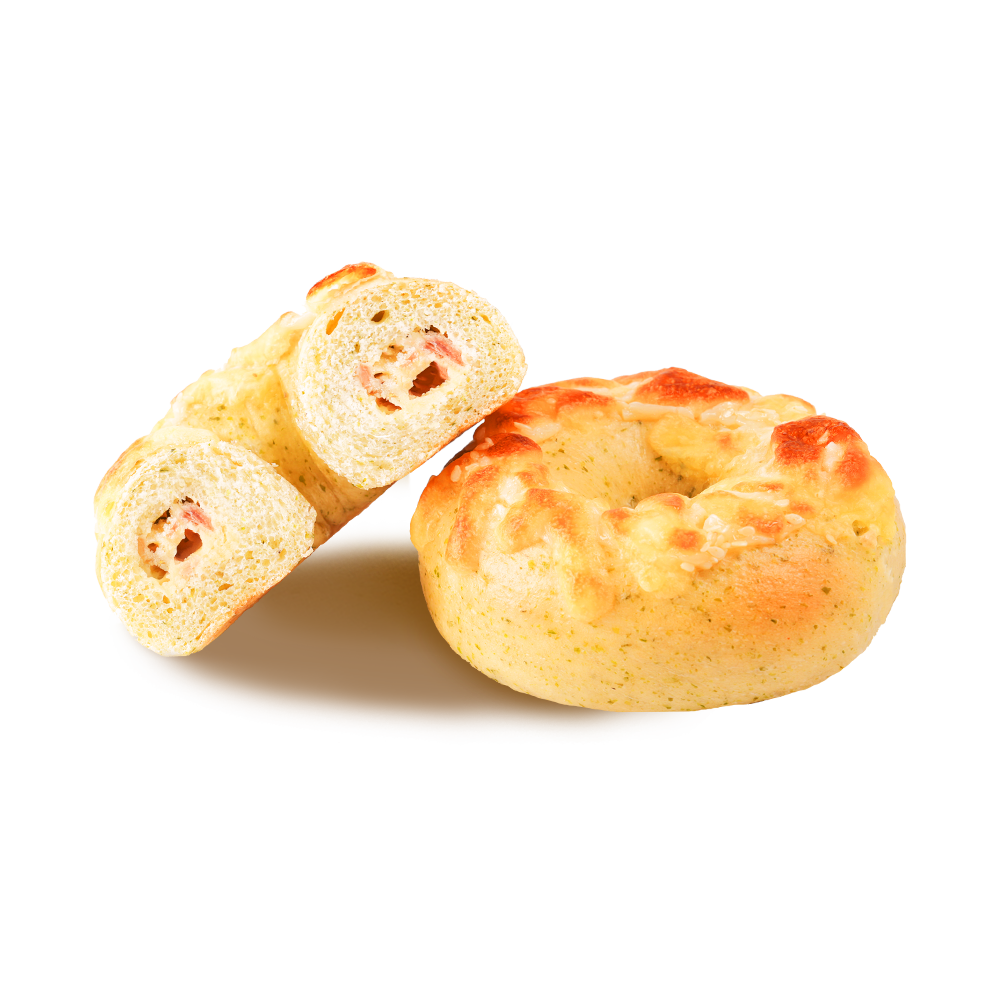
A stuffed bagel is a bagel in which the filling is enclosed within or layered deeply inside the bread itself, rather than simply spread on top or tucked between two halves. The distinction matters more than it sounds. A stuffed bagel retains the cream cheese or other filling through the heat of baking or reheating — the filling melds with the crumb, becomes slightly warm and fluid, and is present in every bite rather than sliding off the surface.
There are two primary formats. The first involves slicing a bagel partway through without fully separating the halves, packing the filling into the opening, and baking the whole thing until the exterior crisps and the filling warms through. The second — seen increasingly in artisan bakeries — stuffs raw bagel dough around a filling before boiling and baking, encasing the filling completely inside a sealed shell. Both are legitimately "stuffed," but they produce quite different results in texture and eating experience.
The key requirement in either case is that the bagel itself be structurally sound. A dense, well-made bagel with real chew holds up to fillings that a lighter, airier bagel simply cannot. If the bread collapses under the weight of warm cream cheese, the whole concept falls apart — sometimes literally.
Why the Bagel Quality Matters More Than the Filling
There's a temptation, when thinking about stuffed bagels, to focus entirely on what goes inside. The filling is exciting. The filling is customizable. The filling is the whole point, right?
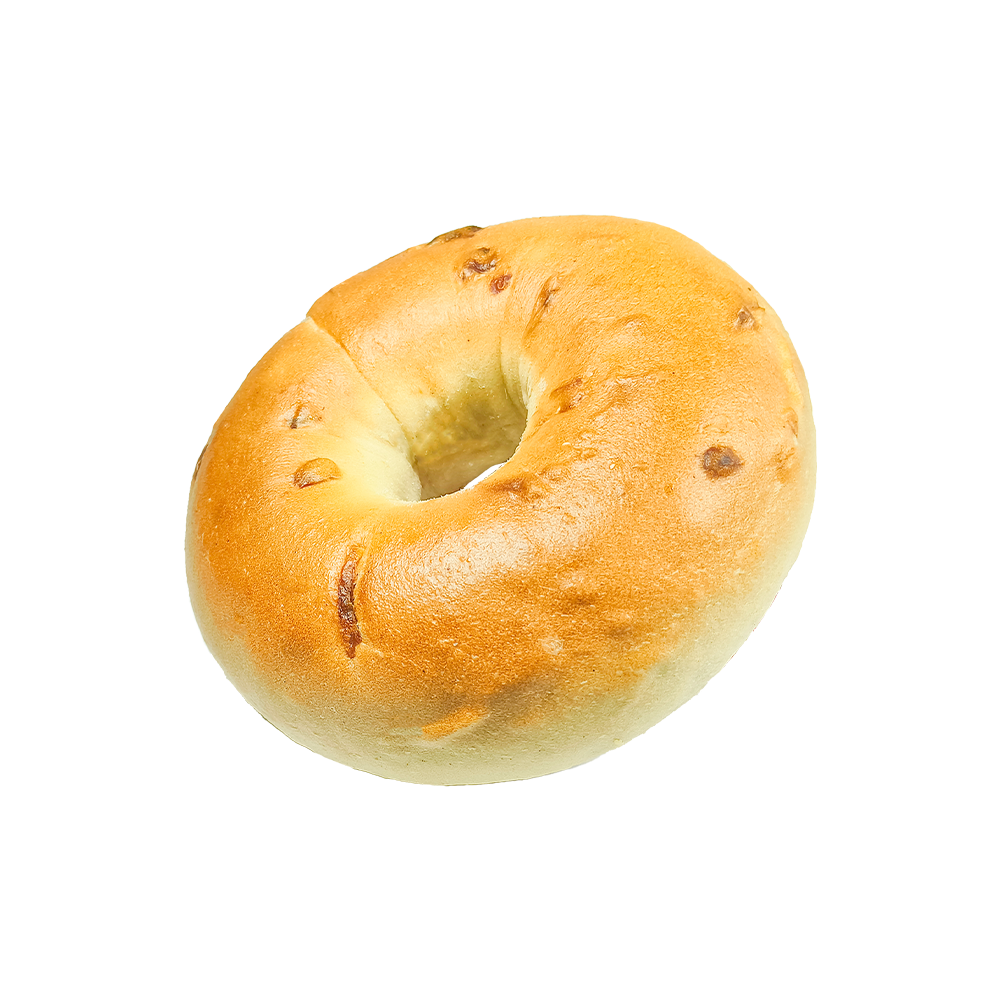
Not quite. The bagel is the structure that makes everything else possible, and a substandard bagel undermines even the most carefully composed filling. A chewy, properly made bagel — one with a thin, crisp outer crust and a tight, dense crumb — does three things that a lesser bagel cannot: it holds its shape during baking, it provides textural contrast against a soft, creamy filling, and it contributes its own flavor to the overall experience rather than simply disappearing into the background.
The difference comes down to process. A traditional bagel is boiled before it is baked. This step gelatinizes the exterior starch, creating a skin that firms up in the oven and remains structurally intact even when the inside is soft from a warm filling. Bagels made without this step — or with very abbreviated boiling — have a softer, more uniform texture that lacks the contrast a stuffed preparation demands.
Fermentation matters too. A slow-fermented bagel dough, using less yeast and more time, develops a more complex wheat flavor that stands up to rich fillings like cream cheese, smoked salmon, or melted cheddar. A fast-risen dough tastes flat next to these ingredients. The bread becomes invisible, and the filling has no partner.
The Most Popular Stuffed Bagel Fillings — Savory and Sweet
The range of stuffed bagel fillings has expanded considerably as the format has grown in popularity. A useful way to think about them is by flavor direction: savory classic, savory bold, and sweet.
Savory classic fillings are built around cream cheese, which remains the most natural partner for a bagel. Plain cream cheese stuffed into a sliced bagel and baked until warm and slightly runny is the benchmark — simple, rich, and deeply satisfying. Adding garlic butter to the exterior before baking creates a golden, crispy crust that elevates the whole thing further. Herb cream cheese, chive cream cheese, or smoked salmon cream cheese are all natural extensions of this foundation.
Savory bold fillings move into sandwich territory: scrambled egg with cheddar and bacon; pastrami with Swiss and sauerkraut; buffalo chicken with mozzarella. These fillings are heartier and function less as a breakfast item and more as a complete meal. They require a particularly sturdy bagel, and they benefit enormously from a dense, chewy crumb that won't become soggy during the baking process.
Sweet fillings have grown from novelty into a legitimate category. Cinnamon cream cheese with roasted apple, sweetened ricotta with honey, or Nutella paired with a lightly sweet dough are all popular choices. The key for sweet stuffed bagels is balance: the bagel itself should have minimal sugar so that the sweetness of the filling reads clearly rather than competing with an already-sweet base.
The Viral Cream Cheese Stuffed Bagel: Why It Works
Of all the stuffed bagel variations that have circulated widely in the past two years, the cream cheese and garlic butter version has proven the most durable. It is worth understanding exactly why it caught on so quickly — because the reasons go beyond novelty.
The preparation is simple: a bagel is sliced into segments without fully separating them, cream cheese is packed into each cut, garlic butter is brushed generously over the top, and the whole thing goes into a hot oven for ten to twelve minutes. What emerges is a bagel with a crackling, golden exterior and a warm, almost molten cream cheese interior — and the contrast between the two is precisely what makes it work.
It also travels well, reheats cleanly, and requires no assembly at the table. For a breakfast item, these are significant practical advantages. The format has spread because it genuinely improves on the standard bagel-and-cream-cheese experience, rather than simply complicating it.
The one variable that determines whether this preparation succeeds or fails is, again, the bagel itself. A thin-crusted, soft bagel will turn soggy before the cream cheese has a chance to warm through. A dense, properly boiled bagel emerges from the oven firmer and more golden, with the filling held cleanly in place. The process does what it is supposed to do.
Bagel Bombs and Dough-Sealed Stuffed Bagels
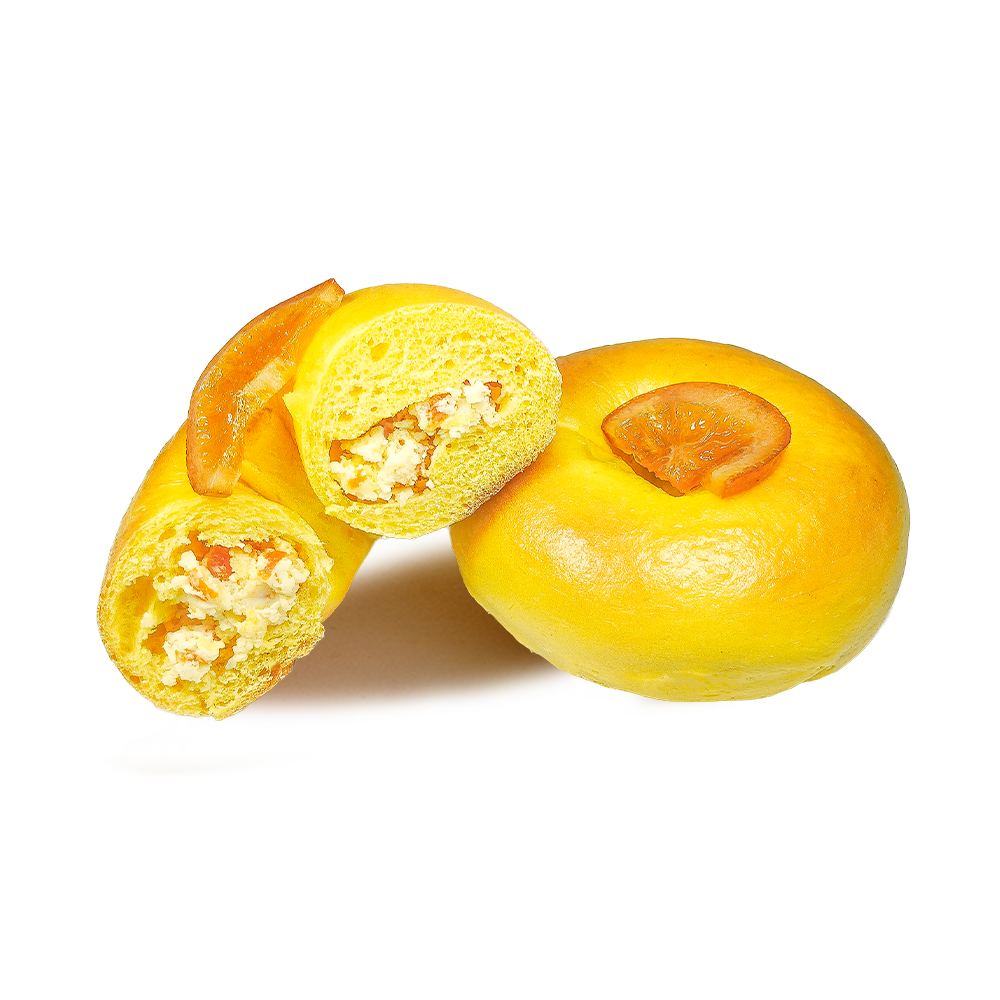
The more demanding — and arguably more impressive — version of the stuffed bagel involves sealing the filling inside the raw dough before boiling and baking. The result is what bakeries often call a bagel bomb: a round, sealed, slightly flattened ball of bagel with a hidden center of cream cheese, cheddar, or another filling that reveals itself only when you bite in or pull it apart.
The technique requires a bagel dough that is firm enough to hold its shape through the boiling stage without the seal opening and releasing the filling into the water. This is why dough quality is even more critical here than in the sliced-and-baked format. High-gluten flour, proper hydration, and adequate kneading all contribute to a dough that stays closed under boiling conditions and bakes up with the filling fully intact.
The eating experience is different from a sliced stuffed bagel. The exterior is all bagel — crust, chew, seeds if applied before baking — and the interior is a warm, slightly pressurized pocket of filling. It is a more self-contained object, closer in concept to a filled bun than to a traditional bagel presentation. For cream cheese fillings in particular, the sealed format produces a noticeably more intense, concentrated flavor.
How to Choose a Good Stuffed Bagel
Whether you are buying a stuffed bagel ready-made or selecting a bagel to stuff at home, a few practical indicators separate the good from the mediocre.
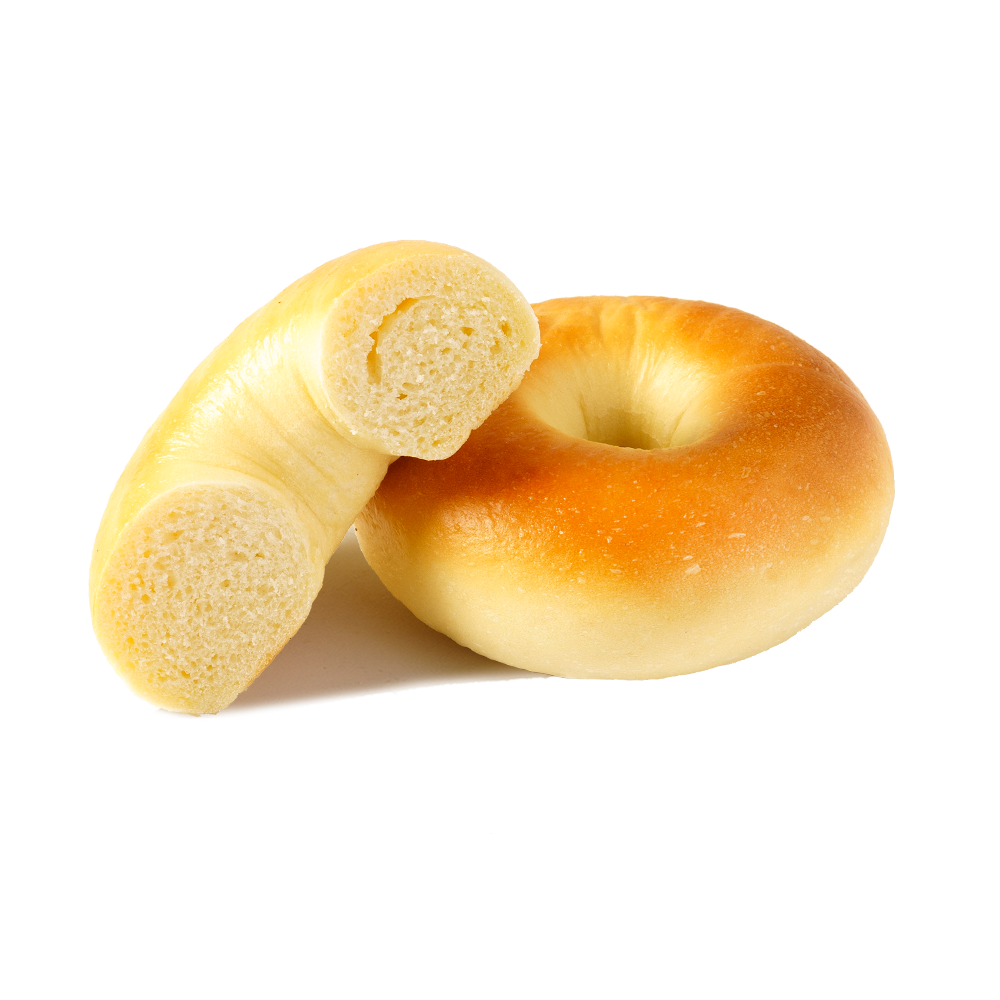
Look at the crust. A properly boiled bagel has a smooth, slightly shiny surface. This exterior is what crisps up during baking and provides the textural contrast that makes a stuffed preparation work. A matte or very pale crust suggests the bagel was not boiled, or was boiled very briefly — it will soften too quickly in the oven.
Consider the weight. A dense bagel is a structurally capable bagel. Pick it up and notice whether it has substance. Light, airy bagels are pleasant on their own but collapse under warm fillings during baking.
Check the ingredients. The best stuffed bagels start with bagels that contain minimal additives — flour, water, yeast, salt, perhaps a touch of malt. Clean ingredients mean the bagel contributes real flavor to the overall experience. A bagel loaded with dough conditioners and preservatives will taste like filler rather than bread.
For store-bought or shipped bagels, look for flash-frozen options. A well-made bagel that has been properly frozen at peak freshness retains its texture and flavor better than a bagel that has sat on a shelf. Properly thawed, it is nearly indistinguishable from a fresh-baked one — and it performs just as well in a stuffed preparation.
The stuffed bagel trend has staying power because the core idea is genuinely good. It makes a strong breakfast stronger, turns a practical food into something a little more special, and rewards the effort of using quality ingredients throughout. Start with a real bagel, and the rest follows naturally.

