
 中文简体
中文简体
 English

postmaster@goobagelfood.com
Content
Bagel sales have held steady for decades — but what consumers expect from the bag has changed dramatically. A growing share of shoppers now flip the package over before they buy, scanning for ingredients they can actually pronounce. For classic bagels, this shift isn't a threat. It's a return to form.
The clean label movement is accelerating across all baked goods, and bagels sit at an interesting crossroads: a product with deep traditional roots, where the original recipe was already free of artificial shortcuts. The question is whether today's producers are honoring that heritage — or quietly drifting from it.

Why Clean Label Is Reshaping the Bagel Market
Consumer behavior data tells a clear story. Nearly 1 in 2 consumers globally have increased their purchases of fresh, unprocessed foods over the past year. Meanwhile, close to 3 in 4 consumers now report reconsidering a purchase after reading the ingredient list. That's no longer niche behavior — it's mainstream buying logic.
In the bakery segment, clean label claims have become the single fastest-growing consumer demand. Bagels, long dominated by mass-market brands with lengthy additive lists, are now seeing a meaningful shift. Wholesale buyers and retail consumers alike are asking harder questions about what goes into the dough before it ever reaches a shelf — and they expect straightforward answers.
The demands converge around a consistent set of expectations: no artificial preservatives, no synthetic dyes, no high-fructose corn syrup, and ingredient lists short enough to read in under ten seconds. For original and multi-grain classic bagel options rooted in traditional methods, meeting these expectations is less about reformulation and more about discipline — resisting the operational shortcuts that creep into high-volume production.
What Makes a Classic Bagel Truly "Classic"
The word "classic" gets used loosely in food marketing. For bagels, it has a specific technical meaning — and it's inseparable from what clean label looks like in practice.
A genuinely classic bagel is built on three production principles that predate modern food additives entirely. First, slow, low-temperature fermentation: extended cold proofing allows natural yeast activity to develop the dough's structure and flavor depth without relying on artificial flavor enhancers. Cut the fermentation time and you cut the flavor — which is why so many mass-produced bagels compensate with additives.
Second, double-sided boiling before baking. This step is what gives a real bagel its signature crust — a gelatinized outer layer that crisps in the oven without the help of dough conditioners or emulsifiers. Skip it, and you get something closer to a bread roll with a hole. Include it, and the texture speaks for itself.
Third, minimal, purposeful ingredients. Flour, water, yeast, salt, and sometimes malt — that's the foundation. Every addition beyond that should serve the product, not the production line. When the process is done right, there's simply no need for the artificial fillers that inflate conventional ingredient lists.
The Craftsmanship Behind Clean Label Classic Bagels
Saying a bagel is "clean label" is easy. Proving it through process is harder. The difference shows up not in marketing copy, but in the detail of how each batch is made — and how consistently those standards hold at scale.
Production that takes clean label seriously typically runs 16 or more distinct process steps, each one serving a specific purpose in achieving the final texture and flavor profile. Low-temperature fermentation is held for precise time windows. Boiling is calibrated for even gelatinization on both sides. Flash freezing locks in quality at peak freshness rather than relying on preservatives to extend shelf life after the fact.
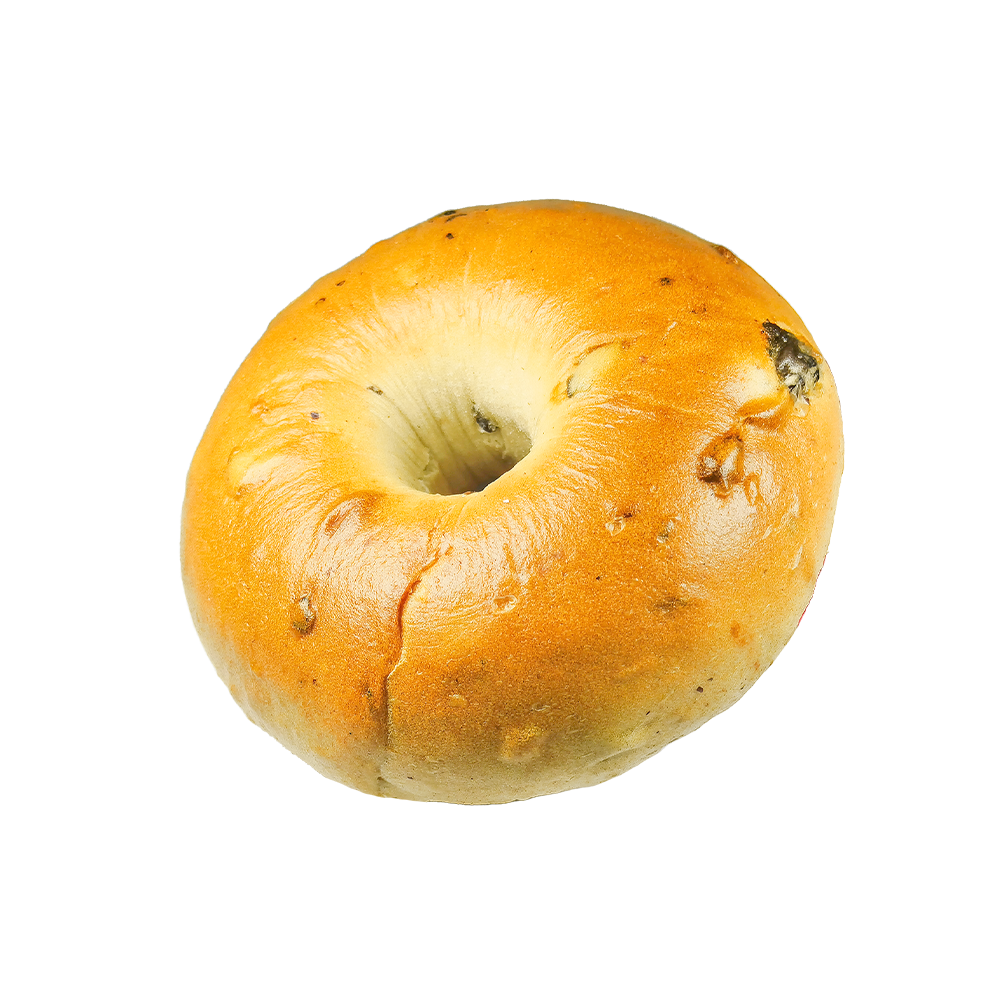
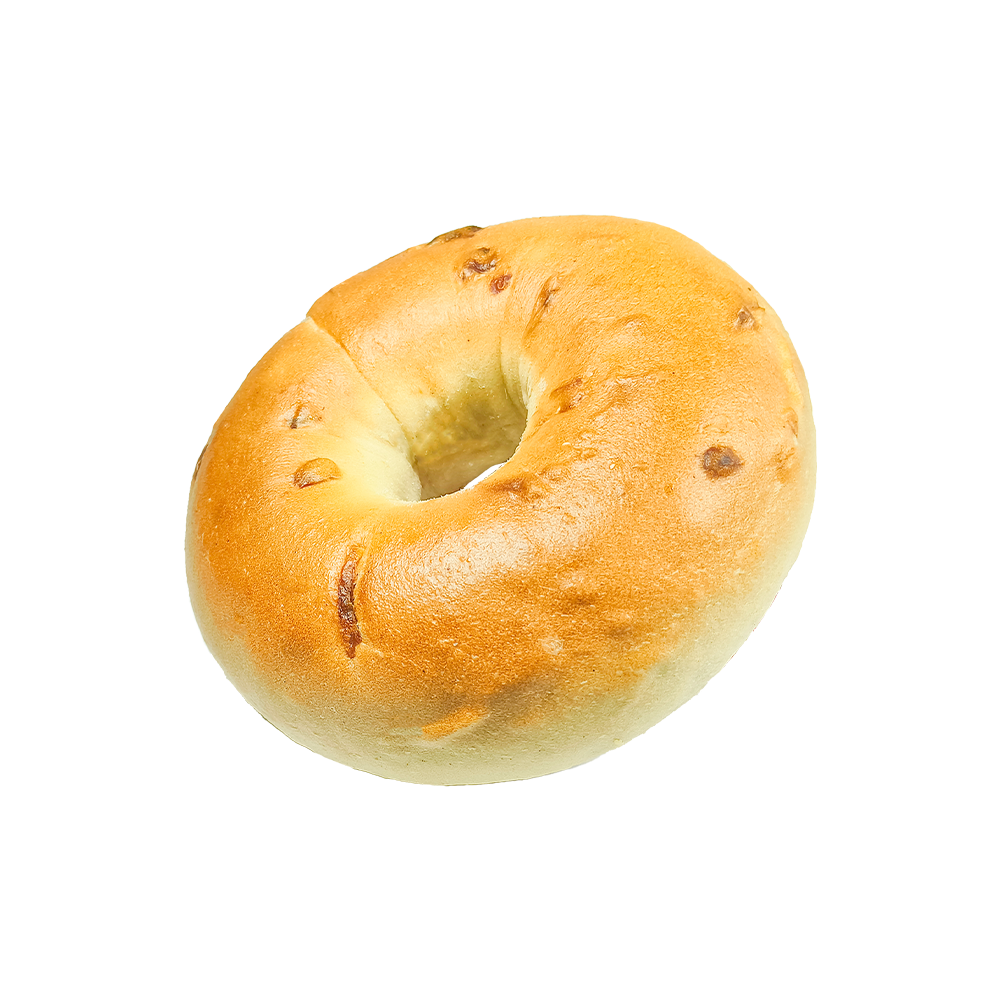
The result is a bagel with a crisp outer crust, a firm yet yielding interior, and a natural wheat aroma that doesn't need artificial flavoring to come through. This is what clean label commitment and production standards look like when they're embedded in the manufacturing process rather than added as a marketing claim at the end.
It's also worth noting what this approach avoids: no artificial colors, no synthetic flavor compounds, no chemical preservatives. Low oil, low sugar, and a formulation clean enough to read aloud without hesitation. For buyers sourcing product in 2026, that transparency has measurable commercial value.
Meeting the Demand: What Buyers Should Look for
For importers, distributors, and retail buyers evaluating bagel suppliers, clean label claims need to be verified — not taken at face value. A few practical checkpoints make that easier.
- Ingredient list length and legibility. A clean label classic bagel should have a short, recognizable ingredient list. If the list runs past five or six items and includes words that require a chemistry background to parse, that's a signal.
- Process documentation. Genuine craft production — fermentation times, boiling protocols, freezing methods — should be documentable. Suppliers who can walk buyers through each step are the ones whose claims hold up under scrutiny.
- Certifications and food safety standards. Look for compliance with internationally recognized food safety frameworks. This matters both for market entry requirements and for consumer trust in the final product.
- Flexibility without compromising standards. The best suppliers can adapt to market-specific needs — flavors, formats, packaging — without rewriting the core recipe to accommodate additives.
For buyers seeking a manufacturing partner rather than just a product source, private label and OEM bagel solutions built on clean label foundations offer a meaningful competitive edge — particularly as ingredient transparency becomes a purchasing criterion across more retail markets globally.
Classic bagels made the right way have always been clean label. The market is finally catching up to what good process always looked like.
