
 中文简体
中文简体
 English
postmaster@goobagelfood.com
Content
- 1 Why the Original Bagel Remains the Top-Selling Format Globally
- 2 What "Authentic Texture" Actually Means — and Why It's Hard to Replicate
- 3 The Original Bagel as a Versatile Base: Use Cases Across Foodservice Channels
- 4 How Frozen Production Preserves Authentic Texture at Scale
- 5 What to Look for When Sourcing Original Bagels for OEM or Private Label
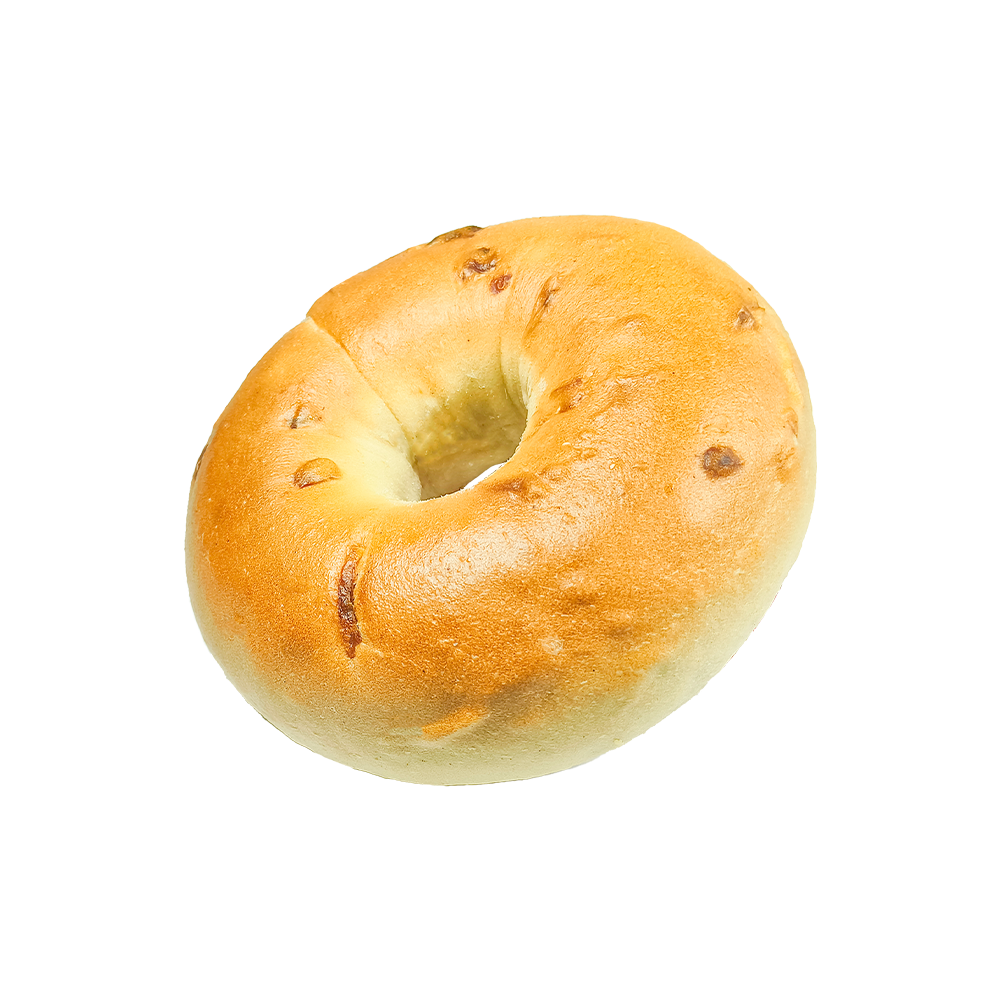
Plain bagels account for more than 44% of global bagel market share — a figure that has held remarkably steady even as the category has diversified into dozens of flavored and functional variants. That dominance is not accidental. The original bagel earns its position not because it competes on flavor complexity, but because its neutral profile and structural integrity make it the most commercially useful format in the entire product category. For foodservice operators, café chains, retail buyers, and OEM sourcing teams, the original bagel is rarely the end product — it is the platform everything else is built on.
Why the Original Bagel Remains the Top-Selling Format Globally
The global bagel market is projected to grow steadily through the end of the decade, with plain bagels consistently commanding the largest share of both retail and foodservice volume. The reason is structural. Buyers across categories — supermarkets, coffee chains, convenience operators, airline catering, institutional food service — all anchor their bagel selections with a plain original SKU before adding specialty variants. It is the format that converts most reliably across consumer demographics, carries the widest topping compatibility, and creates the fewest menu development constraints.
From a procurement standpoint, this makes the plain and classic bagel product range the lowest-risk entry point and the highest-volume workhorse in any bagel-based product line. A café that launches with a single original bagel SKU and two cream cheese options can generate meaningful sales immediately, then layer in seeded, flavored, or stuffed variants as volume justifies the range expansion. That sequential logic — original first, specialty second — is consistent across mature and emerging bagel markets alike.
What is shifting is the quality threshold. As bagel availability has expanded globally, the gap between an authentic, properly made original bagel and a soft bread roll with a hole is increasingly visible to consumers. Buyers who source below that threshold now face repurchase friction that erodes the category's convenience appeal. The demand signal reaching foodservice procurement teams in 2026 is clear: authentic texture is no longer a premium differentiator — it is the baseline expectation.
What "Authentic Texture" Actually Means — and Why It's Hard to Replicate
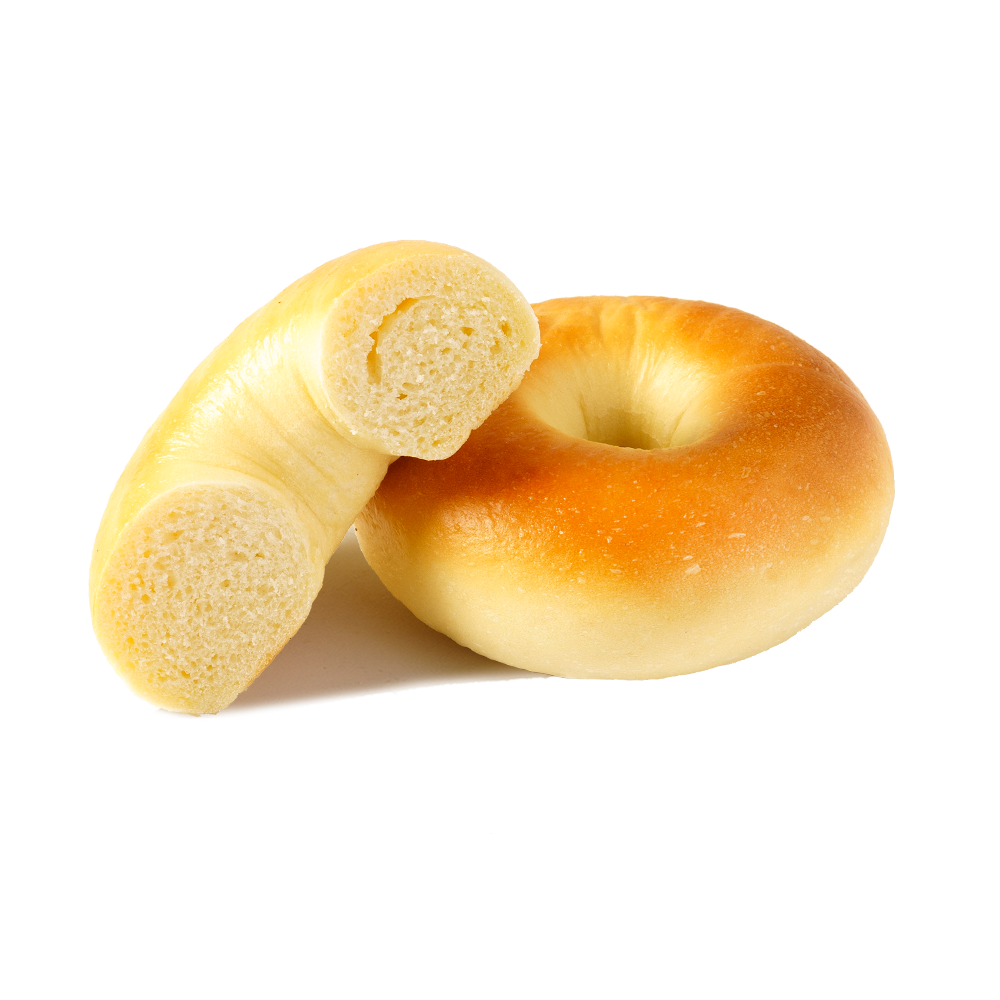
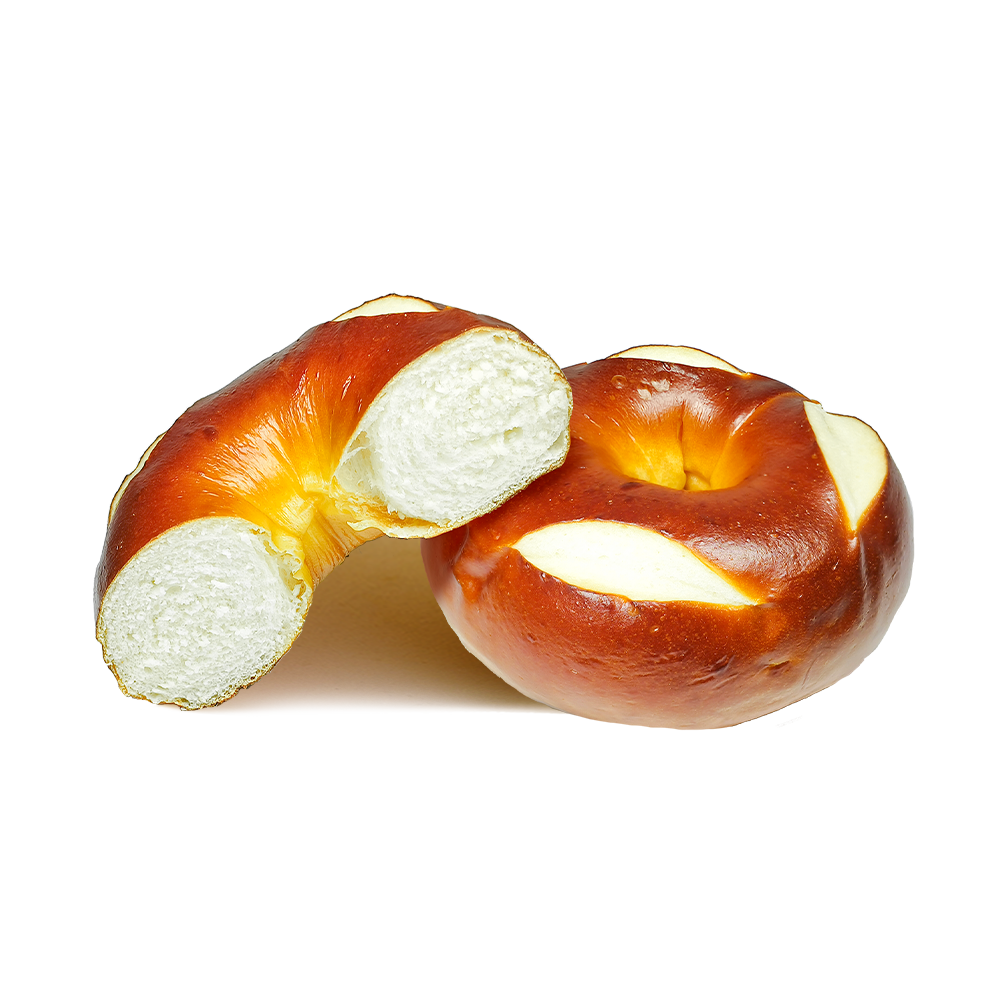
The phrase "authentic texture" appears in nearly every bagel supplier's positioning, but the underlying mechanics are specific and demanding. An authentic original bagel has three measurable characteristics: a thin, glossy, slightly resistant outer crust; a dense, tight interior crumb with a porous honeycomb structure; and a chew profile that offers real resistance without becoming gummy or tough. These properties are inseparable from one production step that most industrial bread formats skip entirely: kettle boiling before baking.
When raw bagel dough is submerged in boiling water — typically 30 to 90 seconds per side — the outermost layer of starch undergoes rapid gelatinization. The starch granules absorb water, swell, and form a semi-rigid gel network that effectively seals the surface before the dough enters the oven. This gelatinized layer prevents the rapid oven rise that gives soft breads their open, airy crumb, which is precisely why a properly boiled bagel remains dense and tight-textured after baking. The addition of malt syrup or baking soda to the boiling water deepens Maillard browning during the bake, producing the characteristic amber crust color and the subtly sweet, roasted flavor note that distinguishes a real bagel from an imitation.
Steaming, frequently used as an industrial shortcut, does not replicate this outcome. Steam delivers moisture to the surface but does not create the hydrostatic pressure or uniform starch gelatinization that immersion boiling achieves. The result is a softer, more bread-like exterior that lacks the structural integrity and chew depth that define authentic texture. At Jiangsu Goobagel Food Technology Co., Ltd., water temperature, alkalinity level, and immersion time are calibrated precisely for each product variant — including the original bagel line — to ensure that the authentic texture profile is reproduced consistently across high-volume frozen production runs.
Fermentation parameters are equally important. A short fermentation cycle produces a serviceable dough but a shallow flavor profile. Goobagel's original bagel formulations use a low-temperature, extended fermentation process that allows the gluten network to develop fully and the yeast to generate the organic acids responsible for the characteristic wheat aroma that distinguishes a well-made bagel. The result is a porous, honeycomb-like interior that is soft without being spongy, paired with an outer crust that springs back slowly when pressed — the tactile signal that buyers and end consumers use to assess quality before the first bite.
The Original Bagel as a Versatile Base: Use Cases Across Foodservice Channels
The original bagel's commercial value as a versatile base derives from a single characteristic: its flavor profile does not compete with whatever is placed on or inside it. The neutral, lightly malty taste and the dense, resilient crumb structure mean it can carry virtually any flavor direction — savory or sweet, mild or bold — without creating flavor conflicts that limit menu applications.
In the café and specialty coffee segment, the original bagel is the default platform for branded cream cheese programs, seasonal topping variations, and house-made spread development. Because the bagel contributes structure and chew rather than a dominant flavor, the operator retains full control over the taste experience. This matters particularly for coffee brands entering the food pairing space, where the beverage is the primary flavor anchor and the food item needs to complement rather than compete. Tea brands in East and Southeast Asian markets have adopted a similar approach, using the plain bagel format as a canvas for matcha glazes, oolong-infused cream fillings, and osmanthus-flavored toppings that would be overwhelmed by a pre-flavored bagel base.
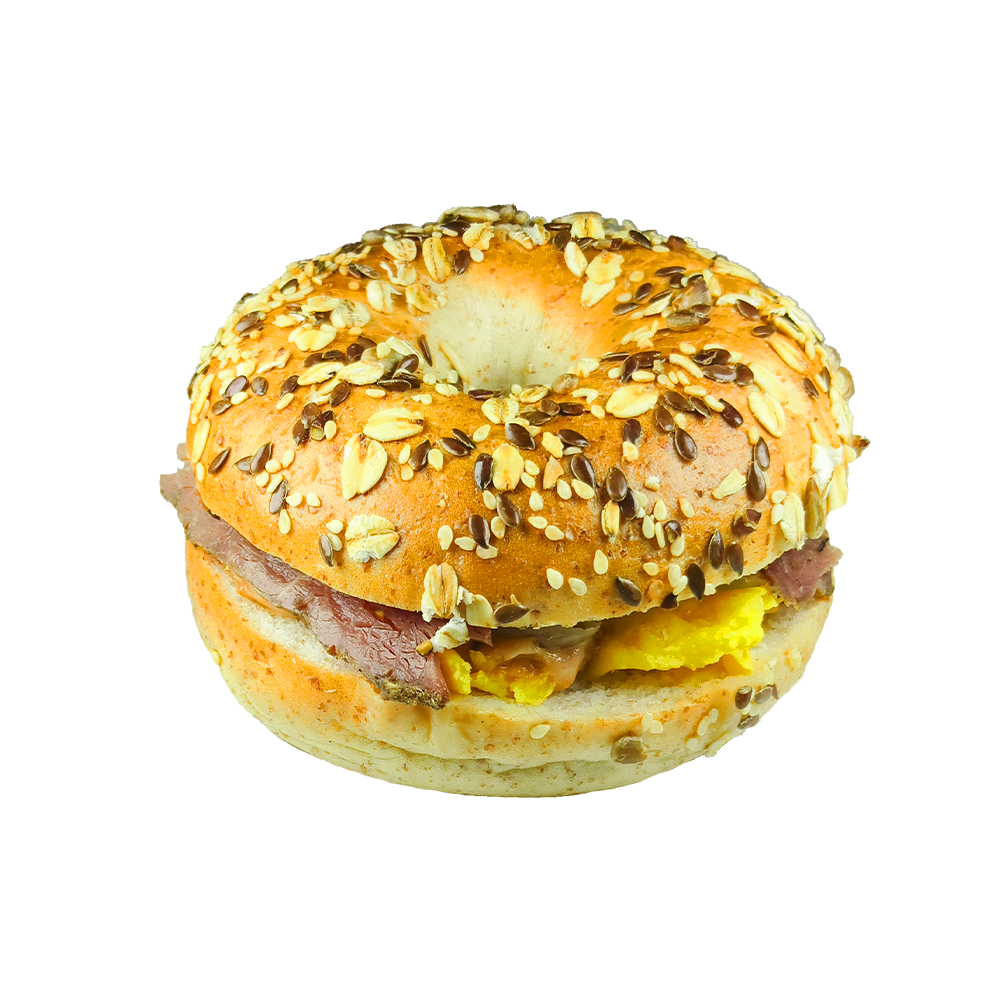
In the breakfast sandwich segment, the original bagel's structural integrity is the key advantage. Its dense crumb holds up to hot fillings — eggs, cheese, meat proteins — without becoming soggy during the hold time that QSR and convenience store operations require. A brioche bun or a croissant softens within minutes of being filled and held; a properly made original bagel maintains its crust integrity for significantly longer, which is a meaningful operational advantage at scale.
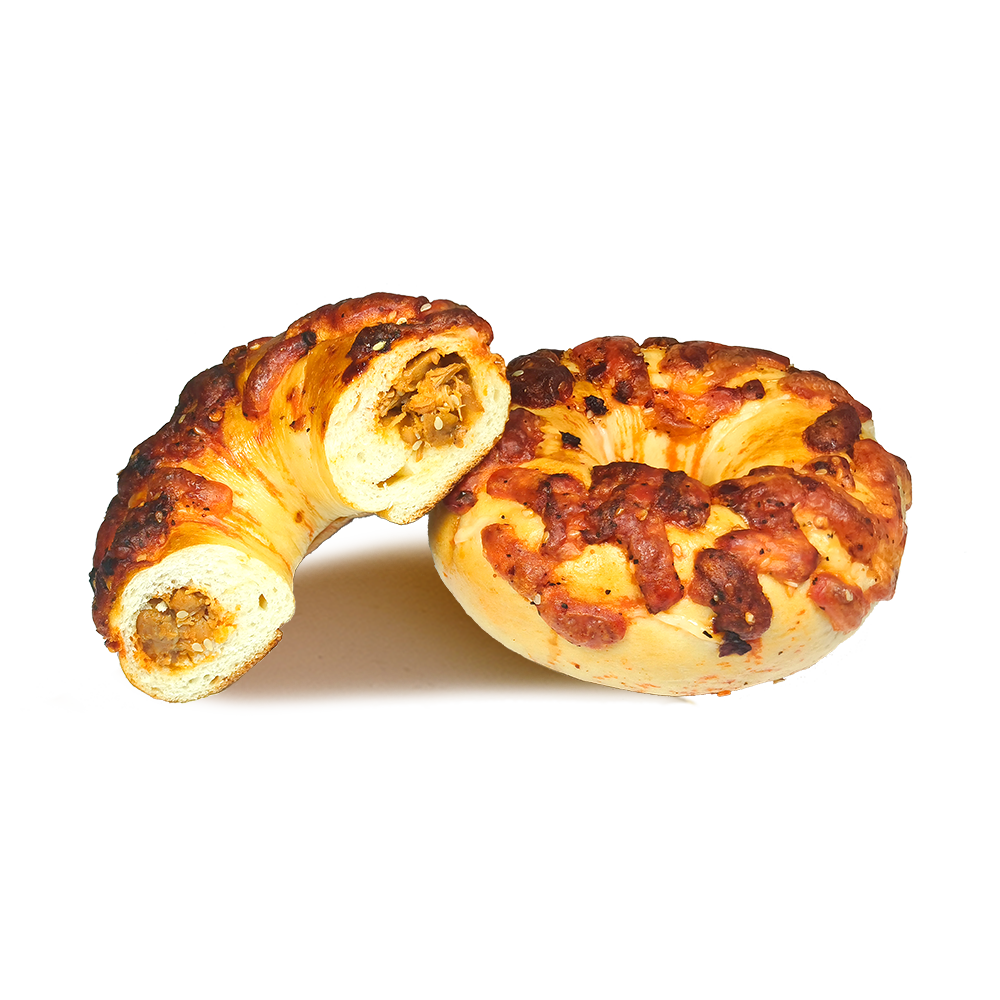
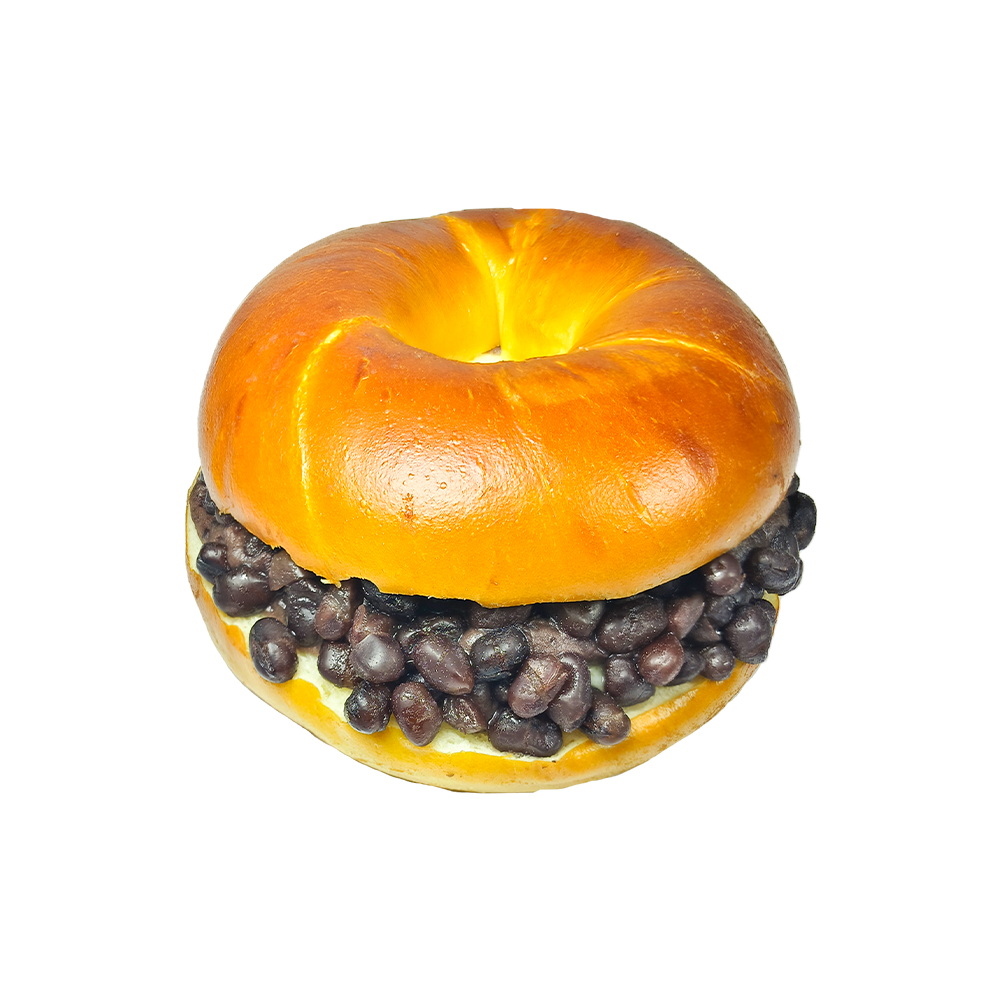
Retail private label programs use the original bagel as the anchor SKU around which flavored variants are tested. The range logic is well established: launch with original, add sesame and everything, then test seasonal or regional flavors against the original's baseline volume. Beyond the classic bagel, operators building fuller menus also integrate pre-filled stuffed bagel formats that extend the platform into ready-to-eat segments without requiring additional kitchen preparation.
How Frozen Production Preserves Authentic Texture at Scale
Freezing is the mechanism by which high-quality bagels reach global retail and foodservice markets, but it introduces a specific degradation risk: starch retrogradation. After baking, gelatinized starch molecules gradually realign into crystalline structures during cold storage, causing the crumb to become firmer, drier, and less cohesive — the staling process that is the primary enemy of frozen bakery quality. Counterintuitively, this process is most rapid between 0°C and 5°C (the temperature range of a standard refrigerator), while storage below -18°C slows it significantly. A properly frozen bagel can maintain near-fresh texture for 90 to 180 days; a refrigerated bagel stales within three to five days.
Individual quick freezing (IQF) technology is the production-side solution to this challenge. In IQF processes, individual bagels pass through a cryogenic or mechanical blast freezer on a conveyor belt, minimizing the time each unit spends in the 0°C to -5°C zone where ice crystal formation is largest and most damaging to crumb structure. Goobagel applies IQF processes across its production lines, enabling consistent texture reproduction upon reheating — a critical requirement for foodservice operators who depend on product uniformity across every outlet in their network. The food quality and safety systems underpinning this process, including FSSC 22000 and HACCP certification, provide the traceability and control documentation that international retail and foodservice buyers require.
Two frozen formats serve different channel needs. Par-baked bagels are removed from the oven before full crust development, then IQF-frozen; end operators rebake for three to five minutes, producing a fresh-from-oven result that café and bakery operators value. Fully baked frozen bagels complete the baking cycle before freezing and are designed for direct consumption after rapid toaster or oven reheating — the preferred format for retail packaging and convenience channel distribution. The choice between formats is an operational decision driven by the buyer's kitchen setup, and both are available across Goobagel's original bagel product line.
What to Look for When Sourcing Original Bagels for OEM or Private Label
The decision to source original bagels from an OEM manufacturer rather than producing in-house turns on four variables that buyers who focus exclusively on unit price tend to overlook until they encounter quality consistency or supply reliability problems.
Supply chain integration is the first filter. A factory that controls its own raw material sourcing can absorb commodity price fluctuations and seasonal flour variability without passing disruptions downstream. Protein content in wheat flour varies by harvest season and growing region — a formula calibrated for a 13.8% protein flour produces measurably different results when a 12.9% flour from a different crop is substituted without formula adjustment. Goobagel manages this through a vertically integrated procurement process that includes incoming ingredient testing and formula adaptation protocols, ensuring that the target texture specification is maintained regardless of seasonal variation in flour supply.
R&D capability determines how precisely a factory can translate a buyer's brief into a finished product. Key questions: Does the factory maintain an in-house food technologist team capable of developing and iterating on custom formulas? How many active SKUs is it currently producing — Goobagel's 100+ clean label varieties across multiple format categories suggests genuine formulation breadth rather than a fixed-recipe templating approach. What is the sample-to-production timeline, and can the factory provide texture, moisture, and microbial analysis data for reference products to allow objective comparison against buyer benchmarks?
Certification readiness is non-negotiable for export-oriented buyers. Required documentation varies by destination market and may include HACCP, FSSC 22000, BRC, or specific retailer audit schemes. A certification that covers only one production line does not automatically extend to a newly developed custom SKU — buyers should verify audit scope, not just certificate existence.
Finally, OEM flexibility — the ability to accommodate custom sizing, weight specifications, modified hydration levels for specific toasting or slicing applications, and tailored packaging formats — determines whether a factory can actually deliver the private label product the buyer's brand requires, rather than an off-the-shelf SKU with a custom sticker. The private label and OEM bagel capabilities at Jiangsu Goobagel Food Technology Co., Ltd. are structured to support this level of customization while maintaining the clean label positioning and authentic texture profile that increasingly define premium foodservice procurement standards globally.
