
 中文简体
中文简体
 English


postmaster@goobagelfood.com
Content
Not all bagels are created equal. While the classic plain bagel remains a breakfast staple, a growing number of consumers and food businesses are turning to multi-grain bagels that deliver real nutritional substance — particularly when it comes to dietary fiber. A high fiber multi-grain bagel combines the chewy, satisfying texture people love with a blend of whole grains and seeds that support digestive health, sustained energy, and better appetite control. Understanding what goes into these bagels — and why the distinction matters — is essential for anyone sourcing or selecting them.

What Is a High Fiber Multi-Grain Bagel?
A high fiber multi-grain bagel is a bagel made from a blend of two or more whole grains and seeds, formulated to deliver significantly more dietary fiber per serving than a standard white or plain bagel. While a typical plain bagel made from refined white flour contains just 1 to 2 grams of fiber per serving, a well-formulated high fiber multi-grain bagel can provide 6 to 9 grams of fiber — a meaningful contribution toward the daily recommended intake of 25 grams for women and 38 grams for men.
The key distinction lies in the ingredients. A genuine high fiber multi-grain bagel uses whole grain flours — where the entire grain kernel, including the bran and germ, is preserved — rather than enriched or refined flours where most of the fiber has been stripped away during processing. The word "multigrain" on a label alone does not guarantee high fiber content; only products listing whole grain as the primary ingredient actually deliver the nutritional benefit.
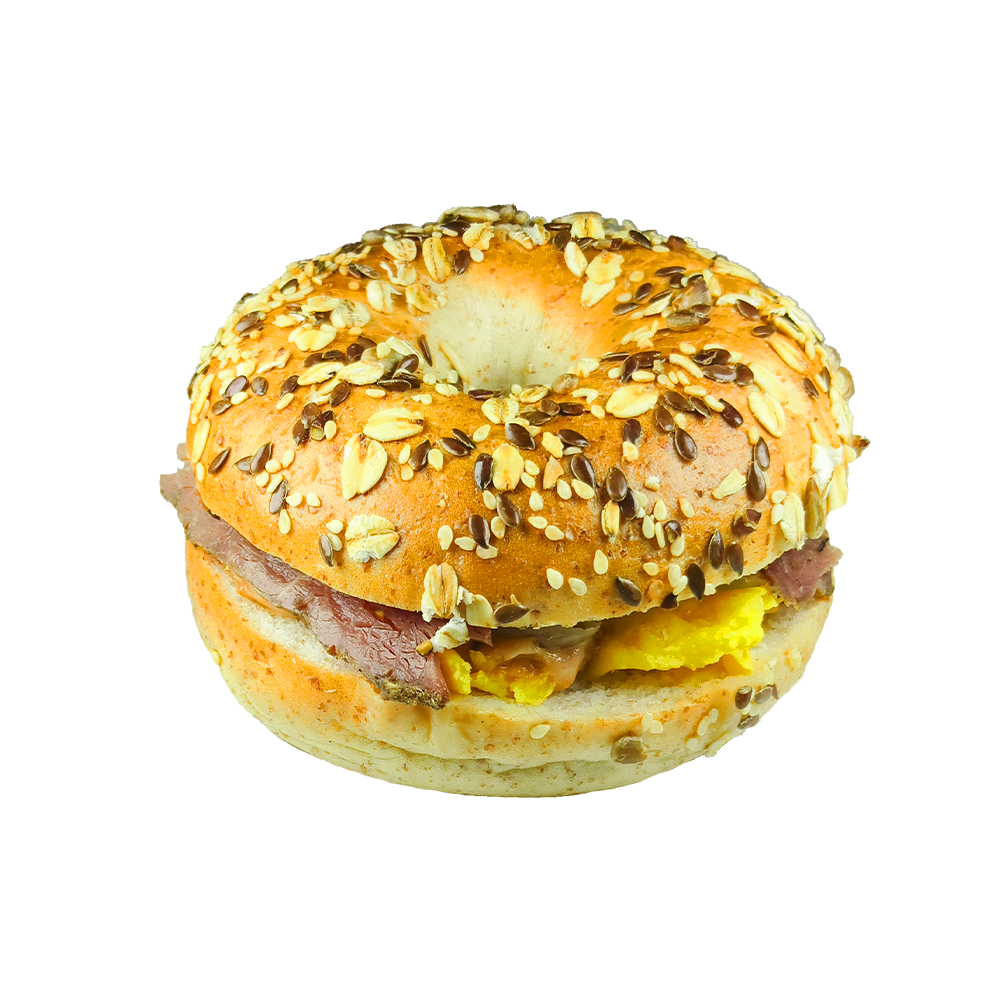
Beyond flour, high fiber variants typically incorporate seeds and additional grain components — such as oats, flaxseed, chia seeds, or millet — that further increase the fiber count while adding texture, flavor complexity, and visual appeal to the finished product.
Key Grains and Seeds That Boost Fiber Content
The fiber profile of a multi-grain bagel depends directly on the specific ingredients used. Each grain and seed contributes differently — both in terms of fiber quantity and functional properties. Here is a breakdown of the most commonly used components and what they bring to the formulation:
Whole Wheat Flour is the backbone of most high fiber bagel formulations. With approximately 12 to 14 grams of fiber per 100 grams, whole wheat flour provides far more fiber than all-purpose or bread flour. It also contributes a slightly nutty flavor and a denser, more satisfying chew that consumers associate with a "hearty" bagel.
Rolled Oats add both soluble and insoluble fiber, with soluble beta-glucan being particularly well-documented for its role in supporting healthy cholesterol levels and stabilizing blood sugar response after meals. Oats are often incorporated as a topping or mixed directly into the dough, contributing around 10 grams of fiber per 100 grams.
Flaxseeds are one of the most fiber-dense seeds used in baked goods, providing approximately 27 grams of fiber per 100 grams. They also contribute omega-3 fatty acids, making them a nutritional standout among seed additions. Ground flaxseed integrates smoothly into dough; whole seeds add visible texture on the crust via our savory and seeded bagel options.
Chia Seeds deliver around 34 grams of fiber per 100 grams — among the highest of any seed — along with protein and minerals. When hydrated, chia seeds form a gel that can also improve dough moisture retention, contributing to a softer crumb in the finished bagel.
Millet and Quinoa are increasingly included in premium multi-grain formulations. Both contribute meaningful fiber content alongside complete or near-complete amino acid profiles, allowing the bagel to make a stronger claim as a nutritionally balanced product rather than simply a high-carbohydrate item.
Sunflower and Sesame Seeds are primarily used for texture and flavor, but also contribute moderate fiber content. They are particularly effective as topical additions, creating the appealing visual and textural variety that consumers expect from a multi-grain product.
Health Benefits Backed by Nutrition Data
The case for high fiber multi-grain bagels is supported by well-established nutritional science. Dietary fiber delivers benefits that go far beyond basic digestion, touching on some of the most common health concerns among today's consumers.
Sustained satiety and appetite control. Fiber slows gastric emptying — the rate at which food leaves the stomach — which prolongs the feeling of fullness after eating. Research consistently shows that higher-fiber breakfasts reduce calorie intake later in the day. For consumers managing weight or seeking to avoid mid-morning energy crashes, a high fiber bagel provides a practical, enjoyable solution.
Blood sugar stabilization. Refined carbohydrates digest rapidly, causing a sharp spike in blood glucose followed by an equally sharp drop — the cycle that contributes to energy slumps and cravings. The fiber in whole grain bagels slows carbohydrate absorption, producing a more gradual glucose curve. This is particularly relevant for health-conscious consumers, those managing prediabetes, or individuals following lower-glycemic dietary approaches.
Digestive health. Insoluble fiber — found abundantly in whole wheat bran — adds bulk to stool and supports regular bowel function. Soluble fiber, present in oats and chia, feeds beneficial gut bacteria, supporting a healthy microbiome. Regular fiber consumption is associated with reduced risk of constipation, diverticular disease, and colorectal cancer.
Cardiovascular support. Soluble fiber, particularly beta-glucan from oats, has been shown to reduce LDL cholesterol levels. The FDA allows foods containing sufficient amounts of oat fiber to carry a health claim linking oat consumption to reduced risk of heart disease — a significant marketing asset for food businesses formulating with oats as a primary grain component.
Collectively, these benefits align closely with the dietary priorities reported by consumers in current market research: gut health, energy management, and heart health consistently rank among the top reasons people choose functional, fiber-forward food products.
How to Identify a Truly High Fiber Multi-Grain Bagel
The term "multigrain" is frequently misused in food marketing, and consumers — as well as buyers sourcing for food service or retail — need to know how to evaluate a product's actual fiber credentials. Here are the key indicators:
- Check the first ingredient: The ingredient list is ordered by weight. If "whole wheat flour," "whole grain oat flour," or another intact whole grain is the first ingredient, the product is built on a genuinely fibrous foundation. If "enriched wheat flour" or "unbleached wheat flour" appears first, the product is primarily refined — regardless of how many additional grains are listed.
- Look for the fiber count on the nutrition label: A high fiber bagel should deliver at least 5 grams of dietary fiber per serving. Products in the 7 to 9 gram range represent the upper tier of what is typically available in the market.
- Count the grains: A meaningful multi-grain product typically incorporates three or more distinct whole grains or seeds in quantities large enough to contribute nutritionally — not merely for label appeal. Look for visible seeds and grains in the product itself, not just on the label.
- Avoid "multigrain" as a sole claim: Under current food labeling standards, a product can legally be called "multigrain" even if it contains multiple refined grains with minimal fiber. The presence of whole grains must be explicitly stated.
For buyers evaluating products at scale — whether for retail distribution, food service, or private label programs — requesting a full specification sheet that includes fiber content per 100 grams, grain inclusion rates, and ingredient sourcing documentation is standard practice.
Why Food Businesses Are Adding Multi-Grain Bagels to Their Menu
The growth in demand for high fiber multi-grain bagels reflects a broader and durable shift in consumer behavior. Health-positioned bakery products have consistently outperformed conventional alternatives in retail and food service channels over the past decade, and bagels are no exception.
For food businesses — whether cafés, hotel breakfast programs, institutional food service operations, or retail grocery buyers — adding a credible high fiber multi-grain option serves several strategic purposes:
- Menu differentiation: A high fiber multi-grain bagel signals to health-conscious customers that the operation takes nutrition seriously, without requiring significant menu complexity. It is a single product that meaningfully broadens appeal.
- Premium positioning: Multi-grain and whole grain products command higher price points than plain equivalents in both retail and food service. The ingredient investment in quality whole grains and seeds is typically reflected in pricing that sustains healthy margins.
- Dietary inclusivity: High fiber multi-grain bagels align with multiple dietary frameworks simultaneously — including high-fiber diets, heart-healthy eating patterns, and general clean-label preferences — reducing the need for additional specialty SKUs.
- Frozen supply chain advantage: For businesses that cannot bake daily, frozen bagel wholesale programs offer a practical path to consistent, high-quality multi-grain bagels without the operational complexity of in-house production. Properly frozen whole grain bagels retain their nutritional profile and texture quality through the freeze-thaw cycle, making them a reliable solution for consistent menu execution.
As consumer scrutiny of food labels continues to intensify, products that can genuinely substantiate their fiber and whole grain claims — backed by transparent ingredient sourcing and clear nutritional data — are positioned to capture and hold market share in a competitive breakfast category.
A high fiber multi-grain bagel is more than a health trend — it is a product category with real nutritional substance, a compelling consumer story, and growing commercial demand. Whether you are a food buyer evaluating suppliers, a food service operator building a health-forward breakfast menu, or a brand developing a private label product, the right multi-grain bagel formulation delivers value at every level of the supply chain. Understanding what separates a genuinely high fiber product from a marketing claim is the first step toward making sourcing decisions that serve both your customers and your business.
