
 中文简体
中文简体
 English
postmaster@goobagelfood.com
Content
Dessert-Style Bagels Are Becoming a Bakery Growth Category
A cinnamon raisin bagel used to be the outer edge of what a "sweet bagel" could be. That line has moved. Bakery buyers are now stocking chocolate chip, fruit-swirled, and cream-cheese-stuffed bagels next to muffins and croissants, not tucked away as a breakfast afterthought. The shift tracks a broader pattern in bakery: bakery products account for the largest share of the clean label ingredients market, at 35% in 2025, driven by strong consumer preference for baked goods made with natural, minimally processed ingredients.
For retailers and coffee chains, that translates into real shelf decisions. A dessert-style bagel occupies a different price point and a different occasion than a plain bagel — closer to a pastry purchase than a breakfast staple. Getting the flavor and ingredient story right matters more here than in almost any other bagel segment.
Why "Natural Flavors" Now Define the Dessert-Style Category
Sweetness alone no longer sells a dessert bagel. Shoppers scan the ingredient panel before they scan the price tag, and that scrutiny is sharper on indulgent products than on savory ones — a chocolate chip bagel invites more label-reading than a sesame bagel does. Industry data backs up what buyers are already seeing on the floor: natural flavors hold the largest share of the clean label ingredients market at 25% as of 2025, and that share is concentrated in exactly the categories dessert bagels compete in — bakery, confectionery, and snacks.
Trade coverage of 2026 bakery trends points the same direction. Health and wellness ranked as the second most important factor expected to influence bakery purchase decisions this year, according to the 2026 IFT Consumer Trends Survey, and clean label is increasingly read by shoppers as a proxy for how processed a product feels — not just what's missing from the label. For a dessert-style bagel, that means the fruit flavor has to taste like fruit, not like a fruit-flavored candy, and the cocoa note has to read as real chocolate. Clean-label formulation practices have moved from a differentiator to a baseline expectation for anything positioned as a treat.
What Natural-Flavor Dessert Bagels Look Like on Shelf
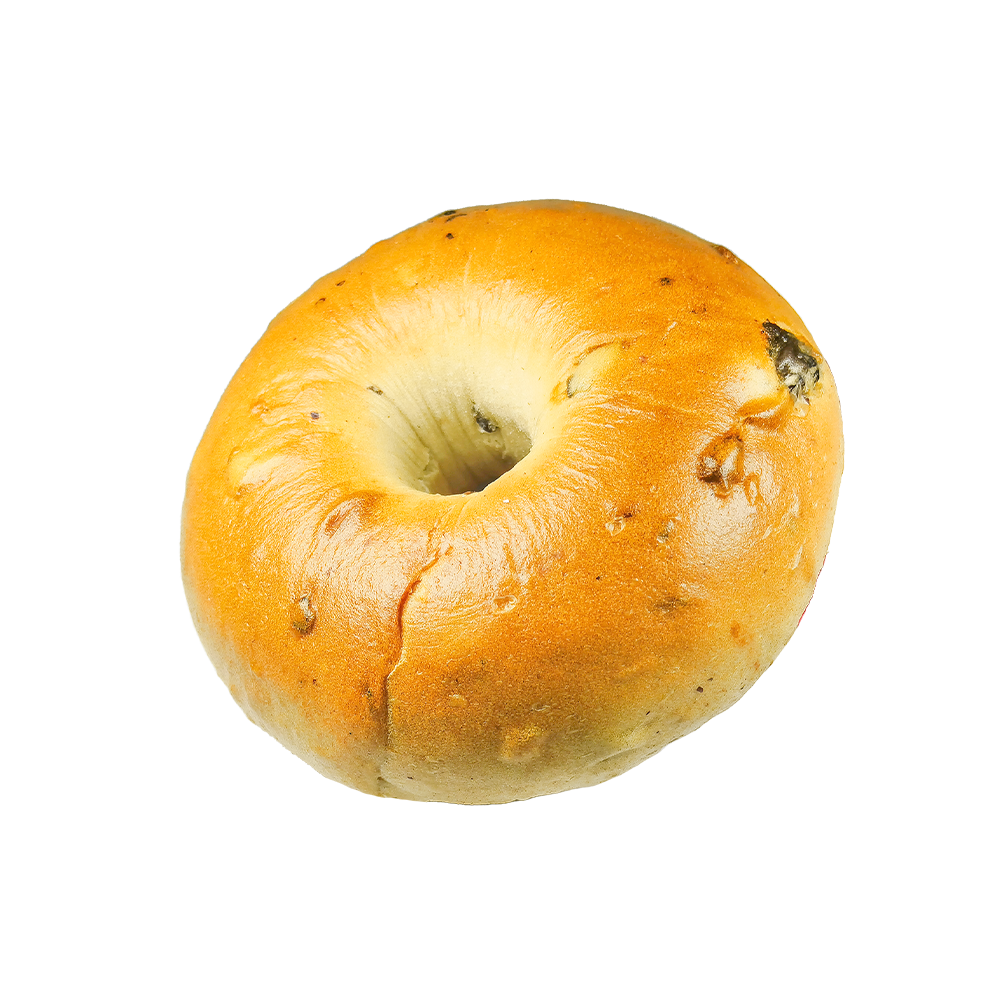
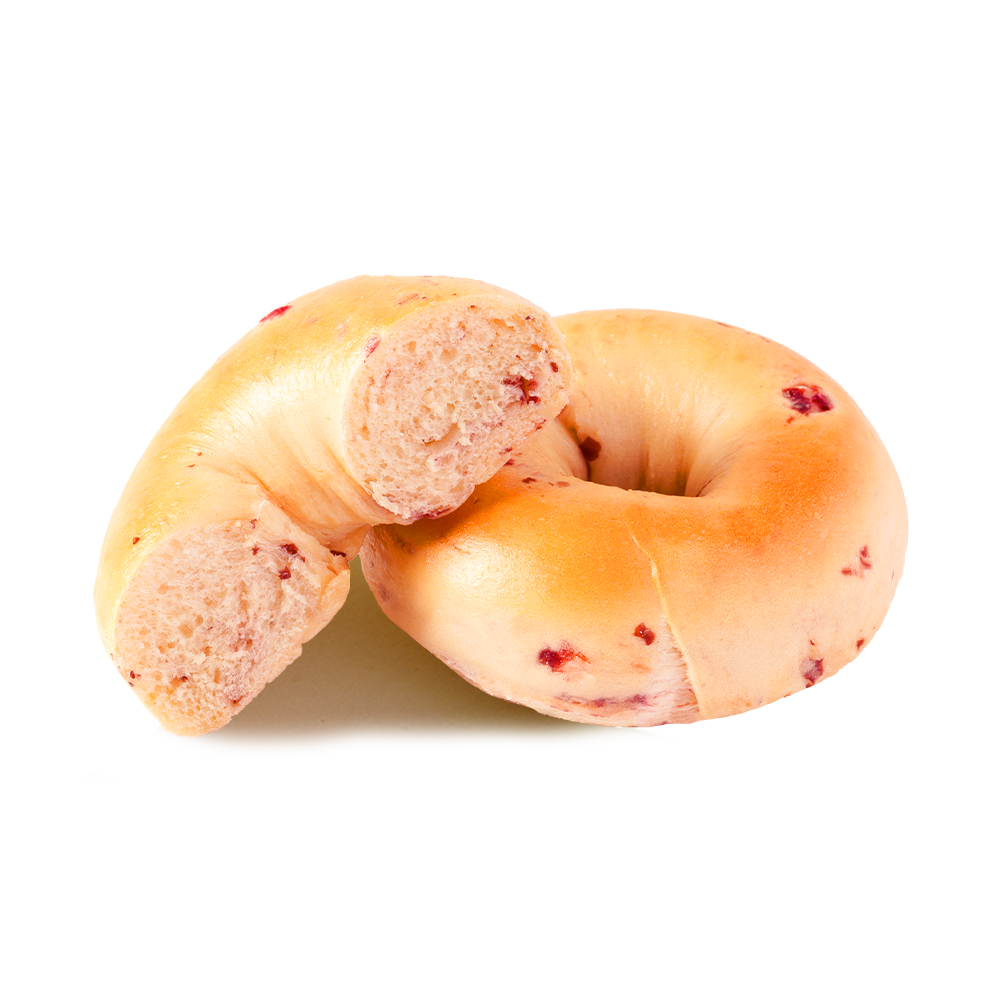
The category has settled into a few reliable directions rather than chasing novelty for its own sake. Fruit-forward bagels lead the pack — blueberry, cranberry, and orange varieties built around real fruit inclusions rather than syrup-based flavoring. These work because the fruit does double duty: it delivers sweetness and a natural color cue at the same time, which is harder to fake convincingly than flavor alone.
Cinnamon and warm-spice bagels remain the anchor of the segment, largely because the flavor compounds involved are already naturally derived and easy to source at scale. Cocoa and chocolate-chip variations are growing but require more care, since cocoa's bitterness needs balancing without reaching for artificial sweeteners. And stuffed formats — where a fruit or cream filling sits inside the dough rather than mixed through it — are giving buyers a way to signal "dessert" more strongly without reformulating the base dough at all.
- Fruit and berry bagels using whole or pureed fruit rather than flavor-only syrups
- Cinnamon, spice, and raisin blends built on naturally derived spice extracts
- Cocoa and chocolate-chip bagels balanced for bitterness without synthetic sweeteners
- Cream-cheese or fruit-stuffed formats that read as more indulgent without a heavier dough
Buyers evaluating a supplier's range should look closely at how naturally sweet, fruit-forward bagel varieties are formulated, and whether stuffed fruit fillings for a more indulgent bite are available as a lower-effort route to a dessert-tier product.
Formulation Challenges Behind a Convincing Dessert-Style Bagel
Natural flavors are harder to work with than their synthetic counterparts, and that gap shows up fastest in baked goods. Heat is the main obstacle. Bagels go through boiling and high-temperature baking, and many natural flavor compounds — especially volatile fruit esters — degrade or flash off before the crust even sets. A flavor that tastes vivid in raw dough can taste flat by the time the bagel cools.
Color presents a second problem. Without synthetic dyes, a blueberry bagel has to get its color from actual blueberry solids or natural anthocyanin extracts, both of which shift shade depending on the dough's pH and fermentation time. Getting a consistent, appetizing color batch after batch takes tighter process control than a synthetic dye ever required. Texture is the third variable: fruit purees and cocoa both add moisture or fat that can soften the dough's structure, so the dough formula usually needs adjusting alongside the flavor itself rather than after the fact.
This is less a flavor problem than a process problem, which is why ongoing product innovation work on dough formulation matters as much as flavor sourcing when a supplier is building out a dessert-style range.
What to Look for in an OEM Partner for This Category
Not every bagel manufacturer that handles savory and classic varieties well can extend that competence to dessert-style products. The formulation demands are different enough that it's worth checking a few things before committing to a supplier for this segment.
- Ask whether fruit and flavor inclusions are sourced as whole or pureed ingredients, not flavor-only extracts
- Check how the supplier controls color consistency across production batches, especially for fruit-based varieties
- Confirm the dough formula is adjusted per flavor rather than using one base recipe for every variant
- Look for evidence of R&D capacity to develop new dessert-style flavors rather than a fixed catalog
Buyers building or expanding a dessert-bagel line should treat flavor customization as a core sourcing criterion, not a late-stage add-on. Suppliers offering private-label flavor customization give brands room to differentiate a dessert-style range instead of running the same formulations as everyone else on the shelf. As natural flavors keep gaining share in bakery, that flexibility is likely to matter more, not less.
